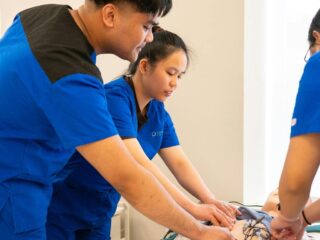
Healthy workplaces don’t happen by accident. They take planning, leadership, and a genuine commitment to supporting employees beyond their daily job responsibilities. Over the past several years, companies have started looking at workplace wellness through a wider lens. Instead of focusing only on preventing injuries, they’re investing in programs that encourage better physical health, emotional well-being, and long-term resilience. As these efforts continue to grow, healthcare professionals with advanced clinical training are becoming valuable partners. For nurses interested in expanding their expertise, acute care nurse practitioner programs offer advanced education that strengthens clinical decision-making while opening doors to leadership opportunities in a variety of healthcare environments.
Workplace Wellness Isn’t Just a Trend
Employee wellness has moved well beyond free coffee and fitness challenges. Organizations have learned that supporting their workforce has a direct impact on performance, retention, and overall morale. When employees feel well—both physically and mentally—they’re generally more engaged, collaborate more effectively, and are less likely to miss work due to preventable health issues.
Occupational health plays a major role in making that happen. It combines workplace safety with preventive healthcare, helping employers identify risks before they become costly problems. Whether it’s improving workstation ergonomics or addressing chronic stress, the goal remains the same: create an environment where employees can do their best work without sacrificing their health.
That shift in thinking has changed how many organizations approach employee care. Wellness is no longer viewed as an optional benefit. It’s becoming part of a company’s long-term business strategy.
Prevention Pays Off in More Ways Than One
Most employers understand the financial impact of workplace injuries. What’s easier to overlook are the smaller issues that gradually affect productivity—poor sleep, unmanaged stress, chronic pain, or untreated health conditions.
Preventive health initiatives help address these concerns before they escalate. Even relatively simple programs can have a noticeable effect when they’re supported consistently instead of introduced as short-term campaigns.
Some of the most effective workplace wellness efforts include:
- Preventive health screenings
- Mental health support services
- Ergonomic evaluations
- Nutrition and fitness education
- Smoking cessation resources
- Flexible scheduling where appropriate
The value goes beyond reducing healthcare costs. Employees who feel supported are often more motivated, more productive, and more likely to stay with their employer over the long term.
Why Advanced Practice Nurses Are Becoming More Involved
As workplace wellness programs become more comprehensive, employers often seek healthcare professionals who can offer both clinical expertise and preventive care guidance. Nurse practitioners are especially well suited for this role because they combine patient care with health education and evidence-based practice.
In occupational health settings, they may evaluate employee health concerns, recommend treatment plans, identify workplace-related risks, and educate workers about disease prevention. Their ability to recognize patterns also helps organizations respond to emerging health challenges before they affect larger groups of employees.
Advanced practice nurses frequently serve as educators as much as clinicians. Conversations about nutrition, blood pressure management, stress reduction, and healthy lifestyle choices may seem routine, but over time they contribute to healthier workforces and fewer preventable medical issues.
That broader perspective has made nurse practitioners valuable contributors in hospitals, outpatient clinics, corporate wellness departments, manufacturing facilities, and public health organizations alike.
Mental Health Deserves Equal Attention
No discussion about workplace wellness is complete without acknowledging mental health. Stress has become an unavoidable part of many jobs, but constant pressure without adequate support can eventually lead to burnout, anxiety, depression, and decreased job satisfaction.
Employers have started recognizing that mental wellness deserves the same attention as physical safety. Many now offer employee assistance programs, counseling services, resilience training, and flexible work arrangements designed to reduce unnecessary stress.
Culture matters just as much as the available resources. Employees are more likely to ask for help when leaders encourage open conversations and remove the stigma surrounding mental health. A workplace where people feel comfortable discussing challenges is often better equipped to solve them before they become larger concerns.
Healthcare professionals contribute by educating employees about warning signs, promoting early intervention, and connecting individuals with appropriate care when needed.
Small Changes Can Produce Lasting Results
One misconception about workplace wellness is that meaningful improvements require expensive programs. In reality, small, consistent efforts often create the greatest impact over time.
Something as straightforward as improving workstation design can reduce repetitive strain injuries. Encouraging employees to take regular breaks may help decrease fatigue. Offering educational sessions on nutrition or stress management can influence healthier daily habits that extend well beyond the workplace.
These incremental improvements also reinforce an important message: employee well-being matters. That sense of support often strengthens trust between employers and their teams, contributing to a healthier organizational culture overall.
Occupational health professionals frequently help organizations evaluate these initiatives, measure outcomes, and identify opportunities for continuous improvement.
Investing in People Is Always a Smart Decision
Strong organizations understand that their employees are their greatest asset. Supporting workplace wellness isn’t simply about reducing sick days or lowering healthcare expenses—it’s about creating an environment where people can perform at their highest potential while protecting their long-term health.
Occupational health continues to evolve as workplaces face new challenges, from changing job demands to growing awareness of mental health. Healthcare professionals, particularly advanced practice nurses, will remain at the center of that evolution by helping employers balance preventive care, education, and clinical expertise.
Companies that make wellness part of everyday operations aren’t just building healthier teams. They’re creating workplaces that people want to be part of, and that’s an investment that continues to pay dividends well into the future.
About the Author