Choosing the right fitness equipment can make workouts more convenient, structured, and enjoyable. Whether the goal is to improve cardiovascular fitness, build strength, increase endurance, or support mobility, different types of equipment can target specific aspects of physical performance.
From home gyms to commercial fitness facilities, understanding what each piece of equipment offers can help people create a workout routine that matches their goals, space, and fitness level.
1. Treadmills for Cardiovascular Fitness with Fitness Experience
Treadmills are a popular choice for people who want to improve cardiovascular endurance through walking, jogging, or running. Users can typically adjust speed and incline to create workouts ranging from light activity to more demanding training sessions.
For those with enough dedicated workout space, non-folding treadmills can be an option worth considering. Unlike compact folding models, these machines are designed for permanent placement and may provide a sturdy setup for regular training. Users should consider factors such as motor power, running surface, speed range, cushioning, and available space before choosing a treadmill.
2. Exercise Bikes for Low-Impact Cardio
Exercise bikes provide another way to improve cardiovascular fitness while offering relatively low-impact movement. Stationary bikes can be useful for endurance workouts, interval training, and general conditioning.
Resistance levels can often be adjusted to accommodate different fitness abilities. Their relatively compact footprint also makes exercise bikes a practical option for many home workout spaces.
3. Strength Machines for Resistance Training
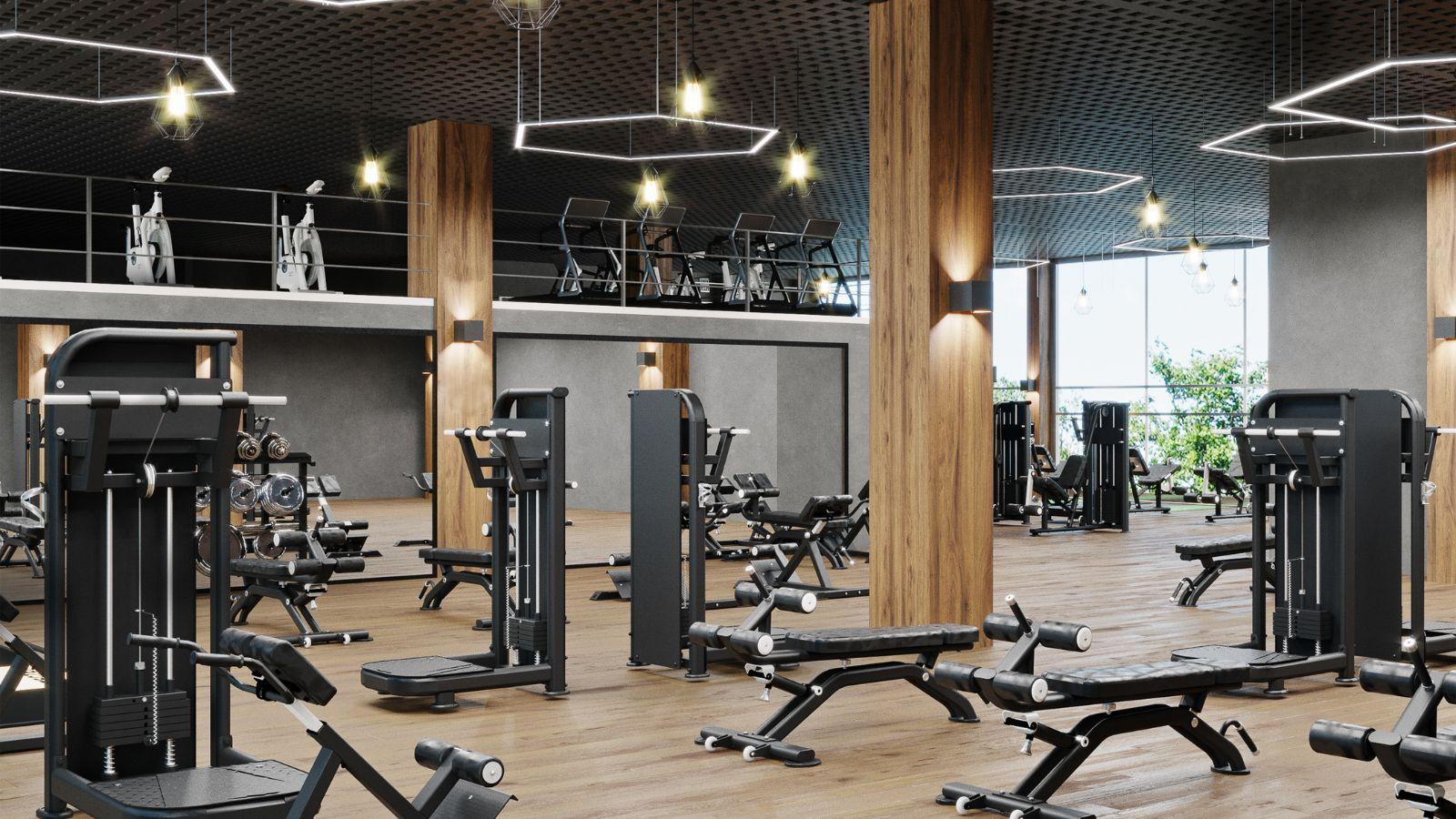
Strength machines can help users target specific muscle groups through controlled movements. Common examples include leg presses, chest presses, lat pulldown machines, and cable systems.
These machines can be useful for beginners who are learning resistance exercises because they can provide a defined movement path. Proper setup, resistance selection, and technique remain important for a safe and effective workout.
4. Free Weights for Functional Strength
Dumbbells, barbells, kettlebells, and weight plates provide versatile options for resistance training. Free weights can be used for exercises that target individual muscles or several muscle groups simultaneously.
They can also support improvements in coordination, stability, balance, and functional strength. Beginners should focus on proper form before increasing the amount of weight they use.
5. Rowing Machines for Full-Body Conditioning
Rowing machines combine cardiovascular exercise with resistance training and can engage the legs, core, back, and upper body. They can be used for steady endurance workouts or shorter interval sessions.
Because rowing involves coordinated movement, learning proper technique is important. Users should focus on controlled movements and appropriate resistance rather than simply increasing intensity.
6. Resistance Bands for Mobility and Strength
Resistance bands are lightweight and portable tools that can be used for strength exercises, warm-ups, mobility work, and rehabilitation-focused routines.
Different resistance levels allow users to adjust the challenge based on their fitness level. Since bands require little storage space, they can be especially useful for people creating a home workout area in a smaller room.
7. Functional Training Equipment for Balance and Conditioning
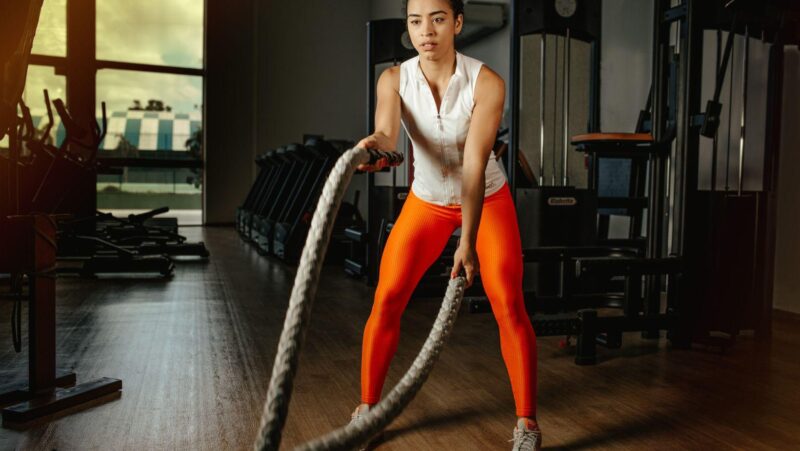
Functional training equipment can add variety to a workout routine. Stability balls, medicine balls, battle ropes, suspension trainers, and balance boards can support exercises involving coordination, stability, balance, and core strength.
These tools can be incorporated into circuit workouts or used as part of a broader conditioning program.
8. Recovery and Flexibility Equipment
Recovery equipment can complement strength and cardiovascular training. Foam rollers, massage balls, stretching straps, and percussion devices are commonly used during warm-ups, cool-downs, stretching, and recovery routines.
Using these tools appropriately can help make recovery sessions more structured. Individuals should avoid excessive pressure or movements that cause significant discomfort.
Choosing Fitness Equipment for Your Goals
Before purchasing fitness equipment, consider your primary goals, available space, budget, fitness level, and workout preferences. Versatile equipment can be particularly useful when space or budget is limited.
Ultimately, consistent exercise, proper technique, gradual progression, and choosing equipment suited to your goals are key factors in developing an effective fitness routine.
About the Author