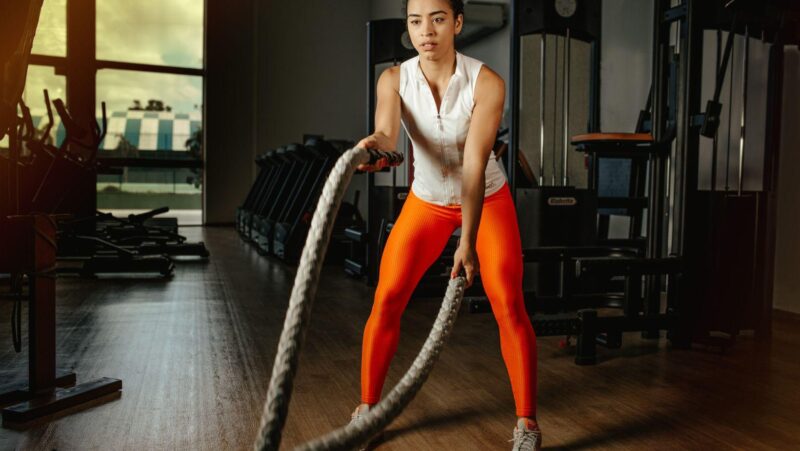
Following intense resistance training, blood flow to targeted muscle groups increases, localized inflammation begins, and athletes frequently experience delayed onset muscle soreness (DOMS). To mitigate this physical discomfort and accelerate recovery, cold-water immersion has become a widely adopted strategy. However, a persistent debate within exercise physiology questions whether post-workout cryotherapy actively interferes with long-term hypertrophic adaptations—specifically, whether it blunts raw muscle mass and strength gains.
The physiological relationship between cold therapy and muscle growth is complex. To optimize recovery protocols without compromising performance outcomes, it is necessary to examine the peer-reviewed clinical evidence surrounding muscle protein synthesis, tissue adaptation, and the biological significance of intervention timing.
The Controversy: The Physiological Evidence
The discussion surrounding cold therapy and anabolic suppression stems primarily from a landmark study published in The Journal of Physiology. Researchers evaluated advanced lifters over a 12-week resistance training block. The findings indicated that subjects who underwent regular post-workout ice baths experienced a 25% to 30% reduction in muscle mass and strength gains compared to the control group that utilized active recovery.
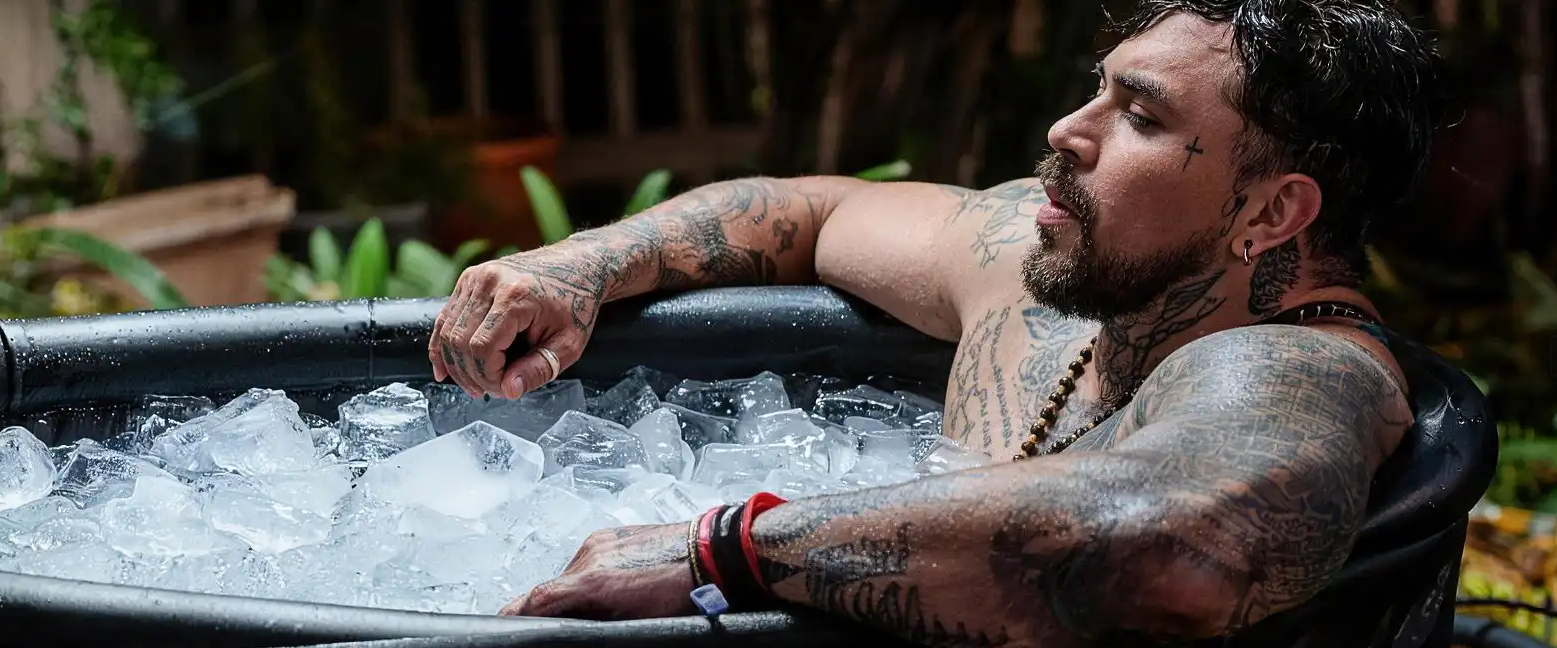
While these percentages caused significant concern among strength athletes, the specific parameters of the study require careful context. The experimental protocol involved an intensive regime: a 15-minute ice immersion at 50°F (10°C) performed immediately after every single resistance training session for three consecutive months. This systemic, immediate exposure differs fundamentally from an athlete utilizing occasional cold exposure to manage general neural fatigue or soft tissue trauma. The clinical inquiry must focus on how specific operational variables alter the cellular response.
The Science: Thermal Regulation and Anabolic Signaling
To understand how temperature down-regulation impacts tissue growth, the underlying cellular biology must be analyzed. Resistance exercise induces microscopic disruptions in muscle sarcomeres. The biological response to this structural stress involves localized, controlled inflammation. This acute inflammatory cascade is a necessary trigger that recruits satellite cells and activates the mechanistic target of rapamycin (mTOR) pathways, which directly regulate muscle protein synthesis. This primary repair window typically peaks between 24 and 48 hours post-exercise.
Subjecting tissue to cold water immediately after a workout triggers acute vasoconstriction, significantly reducing localized blood flow and suppressing the expression of inflammatory cytokines. Because the biological signals required for tissue remodeling are artificially diminished, the subsequent anabolic cascade is altered. Clinical markers indicate up to a 30% reduction in immediate protein synthesis pathways when cold-water interventions are applied within 4 hours of resistance training.
However, this systemic interference is highly dependent on controllable factors:
- The Interventional Timing Window: Cryotherapy applied within 0 to 4 hours post-workout limits cellular growth signals. Delaying the intervention by 4 to 6+ hours allows primary anabolic pathways to establish without negative interference.
- Thermal Intensity: Extreme temperatures (35°F to 45°F) cause severe sympathetic nervous system shock, whereas moderate temperatures (50°F to 55°F) provide circulatory regulation with less severe anabolic suppression.
- The Training Objective: During blocks specifically dedicated to maximizing hypertrophy (muscle cross-sectional area), immediate post-workout cold exposure is counterproductive. Conversely, during specific strength, power, or competitive in-season phases, the systemic anti-inflammatory benefits and neural recovery often outweigh minor compromises in raw tissue volume.
The Practical Protocol: Timing and Infrastructure
For power and strength athletes, the empirical solution involves periodizing cold exposure rather than abandoning the modality.
Many professional athletic programs strategically separate training stimulus from thermal recovery. A standard protocol involves executing heavy resistance lifts in the morning—leaving the initial post-workout window unobstructed for protein synthesis—and conducting a regulated cold session 6 to 8 hours later in the evening. This clear separation supports central nervous system recovery without disrupting localized muscle-building signals.
Executing this protocol safely requires precise control over water conditions, as fluctuating temperatures in manual ice setups introduce unpredictable physiological variables. Utilizing a dedicated cold plunge tub with chiller allows individuals to maintain a constant, scientifically validated recovery threshold (50°F to 55°F) and accurately manage exposure duration. This technical consistency delivers the necessary circulatory and neurological benefits of cold-water immersion without inducing the extreme sympathetic shock associated with unregulated manual ice baths.
Ultimately, cold therapy must be applied based on context. When raw muscle hypertrophy is the primary athletic objective, cold exposure should be reserved for non-lifting days, active recovery periods, or distinct deload cycles.
FAQ
Q: Is cold exposure acceptable later in the day after a heavy lifting session? A: Yes. Allowing a 4-to-6-hour post-workout window ensures that the primary biological signals for muscle protein synthesis are fully initiated, making an evening cold session safe for overall recovery.
Q: Do standard cold showers have the same blunting effect on muscle growth? A: No. Cold showers lack the required hydrostatic pressure and full-body immersion depth to significantly alter deep skeletal muscle tissue temperature, meaning their impact on hypertrophic adaptations is negligible.
About the Author