
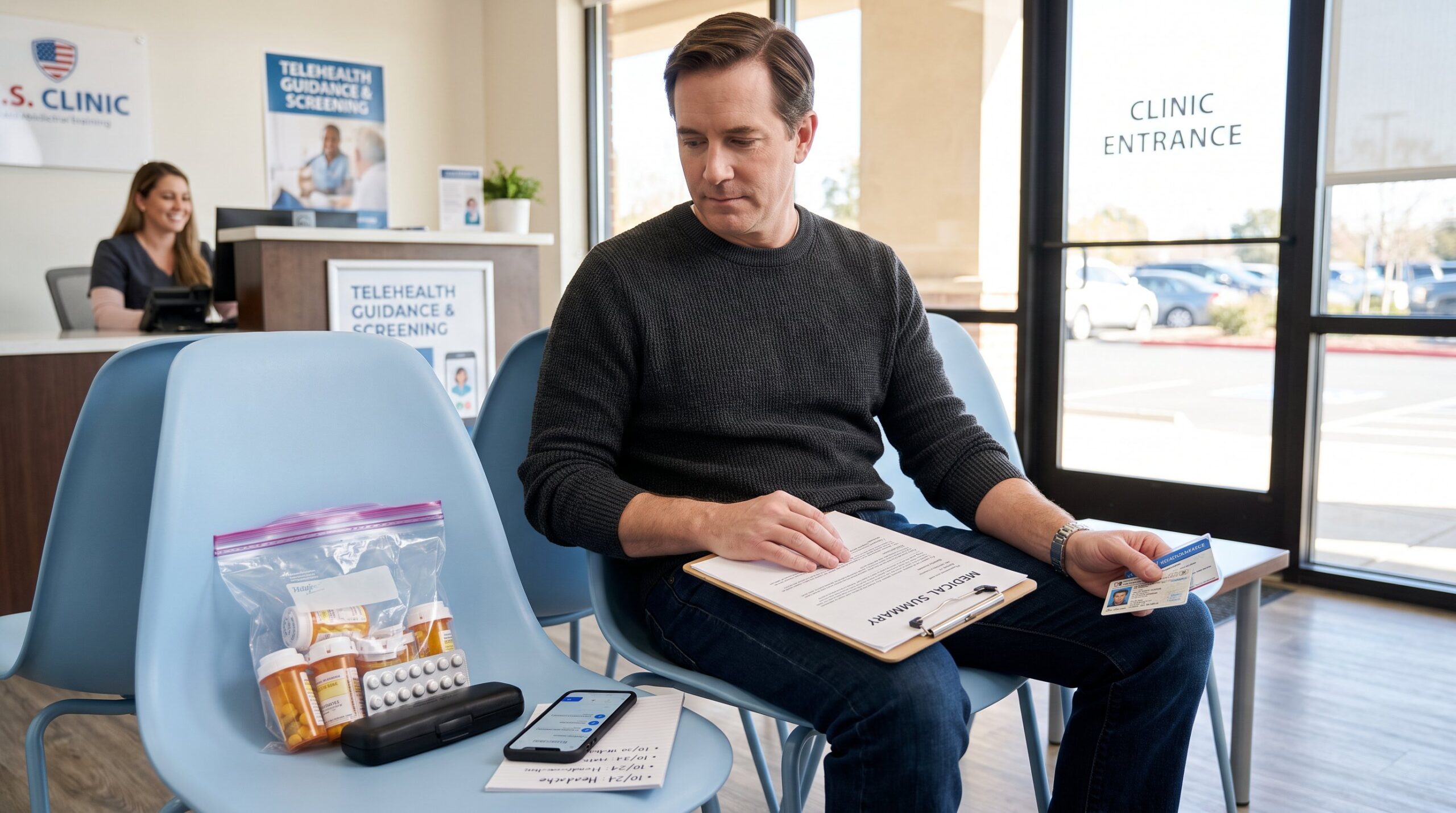
Preparing for a medical appointment reduces stress and improves care. This guide explains what to confirm before the visit, how to gather medical history and meds, which questions to prioritize, and practical day‑of routines. It helps patients turn scattered facts into clear talking points so clinicians can act quickly. The steps are concrete: confirm logistics, compile a compact medication list, capture symptom details, and plan follow‑up. Each section answers one question so readers can pick what they need and act immediately.
Key Takeaways
- Confirm the appointment’s purpose, type, and logistics to ensure a focused and efficient medical visit.
- Compile a concise medical history and a detailed medication list, including prescriptions, supplements, and allergies, to provide clinicians with clear information.
- Prepare two top priorities and a few specific questions to keep the consultation on track and address the most important health concerns.
- Bring essential items such as ID, insurance, medication lists, and symptom notes, and arrange support or accessibility needs in advance for smoother appointments.
- Take notes during the visit and clarify follow-up steps to reduce missed information and improve treatment adherence.
- Systematic preparation using checklists leads to better clinician decisions, less anxiety, and safer, more effective care during medical appointments.
Clarify The Appointment Purpose, Type, And Logistics
Start with the fact: confirm why the appointment exists. Knowing the reason sharpens the visit and avoids wasted time. First, confirm the reason for the visit (diagnosis review, new problem, procedure consult). Then verify type of provider, primary care, specialist, or allied health, and whether the visit is in‑person, video, or phone. Check date, time, clinic location, parking or entrance rules, and any fasting or prep instructions that affect results.
If insurance or referrals may matter, verify coverage and pre‑authorization needs at least 48 hours before. For telehealth, test the app and camera on the same device you’ll use. Patients who clarified logistics report fewer rescheduled appointments and faster check‑ins. When a screening is planned (for example age‑based cancer screens), prioritize which tests to discuss: recent guidance on cancer screening priorities can change annually, so check current recommendations if needed. For patients who want guidance on health information and services before a visit, SpringHill maintains an overview of site resources that helps orient questions and sources for reliable answers in advance: site resources.
Compile Your Medical History And Medication List
Fact first: carry a concise medical timeline covering diagnoses, surgeries, and recent tests. List major diagnoses, past surgeries, hospital or ER visits, and dates for relevant tests (imaging, labs). Note changes since the last visit: new symptoms, weight shifts, sleep changes, or life events that affect health. A one‑page summary lets the clinician scan history in 30 seconds rather than hunting through notes.
Create a complete medication list that includes prescriptions, over‑the‑counter drugs, vitamins, and supplements. For each entry, include name, strength, dose, schedule, reason for use, prescriber, and pharmacy. Add allergies and past adverse reactions. Patients often forget supplements: a pill bottle photo or the actual bottles in a bag avoids guesswork. For practical templates and organizing methods, SpringHill’s guidance on organizing symptoms and meds gives a ready checklist that patients can mirror when compiling their materials: organize meds and symptoms.
Record Current Medications, Dosages, Allergies, And Supplements
Key point: record precise medication details to prevent errors. For each medication, write name, strength, dose, schedule, reason, prescriber, and pharmacy contact. Add any side effects experienced and whether the patient missed doses recently. Include nonprescription items such as ibuprofen, herbal supplements, and vitamins, each can interact with prescriptions.
List drug and food allergies and the reaction type (rash, breathing trouble, GI distress). If uncertain about an exact dose, bring the medication bottles in a labeled bag. Bringing bottles reduced reconciliation errors in multiple clinic audits. If a patient uses devices like inhalers or insulin pens, note the device model and last refill date. This section pairs naturally with telehealth prep when a clinician must reconcile meds remotely: patients who preupload a photo of their meds save 7–10 minutes during the visit on average.
Prepare Questions, Symptoms, And Priorities To Discuss
Answer first: pick two top priorities for the visit and three to five focused questions. Writing priorities keeps the conversation on what matters most. Use a short symptom diary to describe onset, frequency, severity, triggers, and what helps or worsens each symptom. For example: “Headache started 6 weeks ago, daily mornings, pain 6/10, relieved by rest and 600 mg ibuprofen.” Concrete descriptions let clinicians triage faster.
Limit the question list to what can reasonably be addressed in the scheduled time. Typical lists include medication changes, test interpretation, and next steps. Note what the patient already tried, doses, rest, home remedies, and whether they followed prior recommendations. For specialty or alternative visits, check any preparation advice specific to that field: SpringHill’s piece on alternative therapy consultations outlines what patients should gather before such visits and helps frame conservative expectations: alternative therapy prep.
Day-Of Checklist: What To Bring, How To Communicate, And Accessibility Tips
Bottom line: bring identification, insurance, and documentation. Items to bring include photo ID, insurance card, referral if required, recent test results, a printed medication list or bottles, symptom notes, and home device readings (blood pressure, glucose). Arrive 10–15 minutes early and charge the phone. If using telehealth, position the device where lighting and audio are clear and have headphones ready.
Arrange a support person or interpreter when needed and inform the office in advance so staff can prepare. For mobility or sensory needs, request accessible parking, an elevator, or large‑print materials. If the patient expects a longer visit or emotionally difficult news, they should arrange for a companion. For eye care or specialty first visits, prepare specific records or referrals: SpringHill’s primer on preparing for an eye check‑up outlines how visual records and history speed exams: eye visit prep.
Record Notes During The Visit And Plan Follow‑Up Steps
Immediate fact: take notes or bring someone to write. Record diagnoses, tests ordered, medication changes, and explicit next steps. Ask how results are delivered (portal, phone, or mail) and the expected timeline. If a test has an actionable threshold (for example, abnormal labs), ask what signs require urgent contact. Patients who record follow‑up instructions miss fewer appointments and report clearer medication use. For telehealth or preordered remote visits, SpringHill’s telehealth guide shows how to reserve visits and preload documents so the clinician can access records quickly: telehealth preorder.
Conclusion
Systematic preparation changes the clinical encounter. When patients confirm logistics, compile clear histories, list precise meds, and set priorities, clinicians act on better information and decisions improve. Preparing also reduces anxiety and prevents missed concerns. Use the checklists above to make each visit purposeful: small investments of time before and during the appointment yield clearer diagnoses, fewer follow‑ups, and safer care.
About the Author


