How to Organize Symptoms, Medications, and Questions for Your Doctor begins with a clear plan. Preparing before a visit gives clinicians the context they need to diagnose faster, avoid errors, and tailor treatment. This guide shows practical steps: what to record, how to prioritize, and what to bring so the visit runs smoothly. It focuses on short, usable templates, a medication checklist, and decision prompts that make conversations productive. Readers will find exact fields to track, simple formatting examples, and prioritized question scripts they can adapt for any clinic or telehealth appointment.
Key Takeaways
- Organizing symptoms, medications, and questions before your doctor visit improves diagnostic accuracy and patient safety.
- Maintain a concise symptom log for at least three days before the appointment, noting date, severity, duration, and context to provide a clear health timeline.
- Keep an up-to-date medication and supplement list including names, doses, schedules, reasons, and prescriber details to avoid errors and interactions.
- Prepare a clear visit goal with 3–5 prioritized questions related to that goal to ensure focused and productive conversations.
- Use decision prompts listing expected choices and data needs to facilitate faster and clearer decisions during the medical appointment.
- Bringing organized notes, whether printed or digital, helps streamline communication and maximize the effectiveness of your doctor visit.
Why Preparing For A Medical Appointment Makes Care Better
Preparing improves diagnostic accuracy and patient safety. Start with the fact: clinicians perform better when they receive structured, timely information. Studies show concise histories and up-to-date medication lists reduce errors and unnecessary testing.
Concrete example: a patient who brought a three-day symptom log and a current medication list had one fewer unnecessary imaging order and a faster treatment plan. Preparing also saves time, patients who prioritize concerns typically complete visits in the allotted slot and leave with clear next steps.
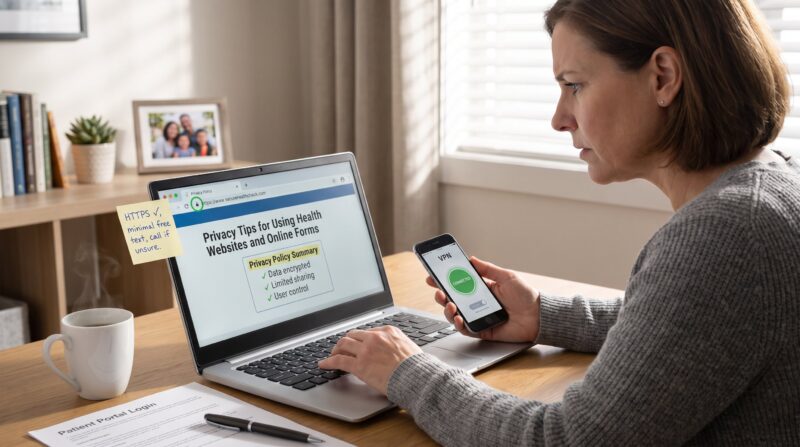
Practical warning: arriving with a vague memory increases the chance of missed details. To avoid that, follow a short template and update it within 48 hours of the appointment. For a primer on gathering reliable health content before a visit, consult the site’s reader resources. This helps patients cross-check symptoms and sources before the visit.
Organize Your Symptoms So The Doctor Sees The Full Picture
Start with the fact: a concise symptom log shows onset, pattern, and impact. A good log prevents omissions and helps the clinician connect symptoms to tests or medications.
Most useful single action: record symptoms for at least three days before the visit. Use entries with date/time, severity (0–10), duration, and context. Adding what the patient was doing and what eased or worsened the symptom yields rapid clues for differential diagnosis.
Practical tip: keep a single document (phone note or printed sheet) so nothing is scattered. When symptoms change, add a one-line update rather than rewriting the whole file. This creates a timeline that fits into a 1–2 minute verbal summary during the appointment.
Related reading: the site’s appointment tips give quick behaviors that further improve visit outcomes.
Create A Clear, Up-To-Date Medication And Supplement List
Main point: include every prescription, over-the-counter drug, vitamin, and supplement. Missing items cause interactions and misdiagnoses.
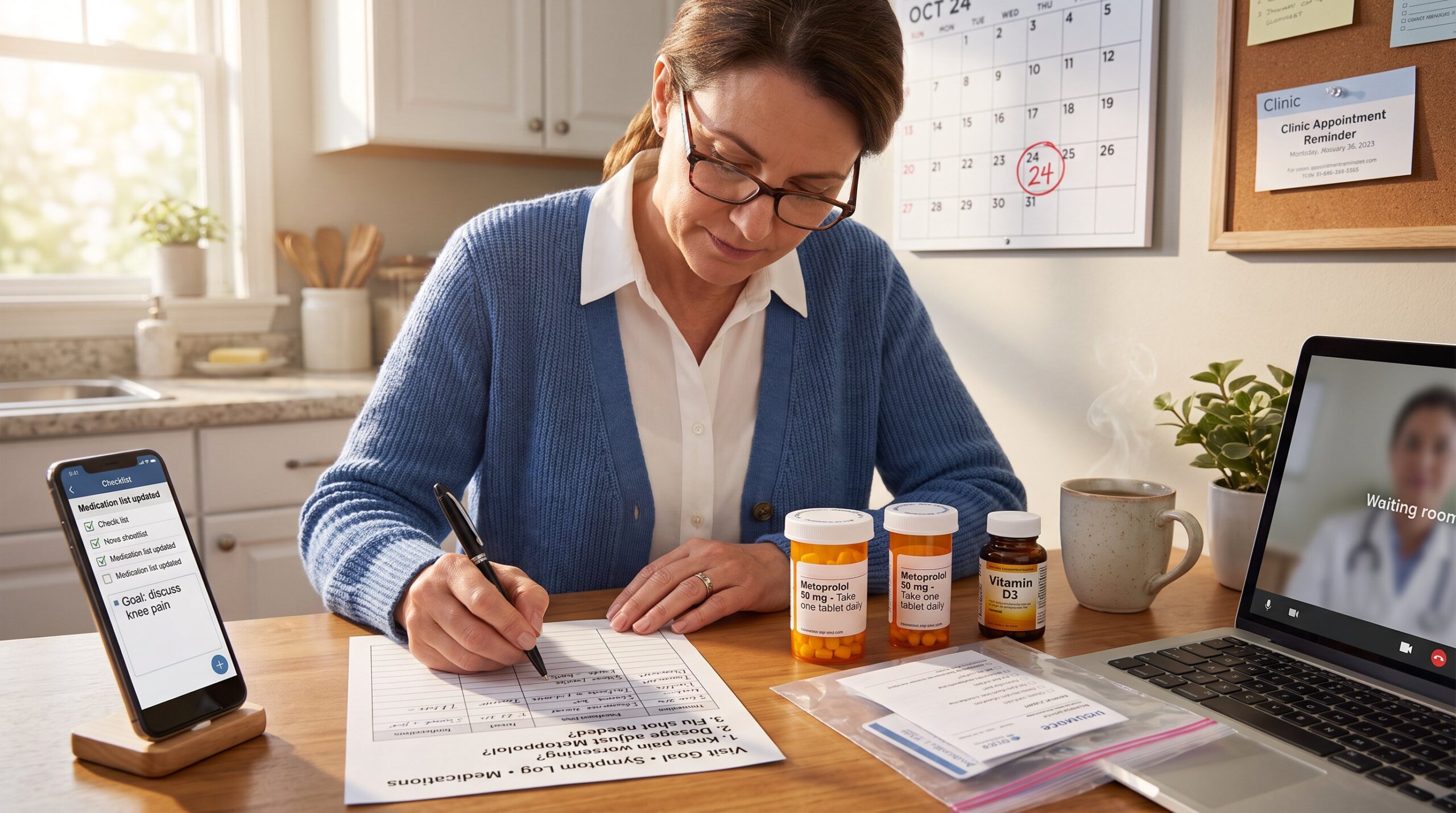
Patients should update this list within 24–48 hours of a visit. Record name, dose, form, schedule, reason for use, start date, and prescriber when known. Note stopped medications with the stop date and reason.
Example entry: “Metoprolol 50 mg tablet, 1 in morning, for blood pressure, started 2024-11, prescribed by Dr. Rivera.” For herbal supplements write brand and amount, e.g., “St. John’s Wort 300 mg, 1 twice daily, started 2025-02, OTC.” This level of detail helps clinicians spot interactions and adjust dosing.
Keeping this list current supports medication reconciliation during the visit and reduces errors. The Mayo Clinic offers guidance on what to bring to an appointment, which reinforces this approach.
Prepare Focused Questions, Goals, And Decision Prompts For Your Visit
Fact: patients who state a clear goal get clearer recommendations. Start by writing a one-line visit goal, then prepare 3–5 prioritized questions tied to that goal.
Example goal: “Find the cause of recurring abdominal pain and decide if imaging is needed.” Focused questions supporting that goal: “What are the top three likely causes? Which tests do you recommend and why? What are risks and alternatives to each test or treatment?” These prompts guide the clinician to provide decision-quality information.
Decision prompts: list choices you expect (start medication, order imaging, refer to specialist) and write what data would help you decide (expected benefits, side effects, recovery time, cost). Bringing these prompts shortens indecision during the appointment.
Practical tip: bring a printed or phone note with these prompts and hand it to the clinician or rooming nurse. For patients who want broader prep steps, use the site’s visit checklist and compare questions with the evaluation guidance. Also consider how virtual medical tools affect visit flow by reviewing the article on virtual medical assistants.
About the Author