SpringHillMedGroup.com is a practical hub for health, wellness, and patient-facing service information. Readers find clear articles on fitness, nutrition, preventive care, and how the Springhill Medical Group operates in Northern California. This guide explains what the site covers, who benefits most, and how to navigate posts, categories, and tools so readers can use the content confidently as they manage care, prepare appointments, or learn basic health facts.
Key Takeaways
- SpringHillMedGroup.com provides practical health information and patient resources focused on wellness, preventive care, and Springhill Medical Group services in Northern California.
- The site is designed primarily for local patients seeking clear, actionable details about appointments, clinic hours, telehealth options, and insurance information.
- Using the search bar and categories like Wellness, Nutrition, and Fitness helps readers quickly find relevant posts and service guides.
- Editorial content includes easy-to-scan how-tos and lists that support patients in managing care and preparing for visits without medical jargon.
- Always verify clinical details and appointment information through official Springhill Medical Group channels before making decisions or treatment steps.
- SpringHillMedGroup.com is a useful starting point for health education and service orientation, but it does not replace professional medical advice or secure patient portals.
What SpringHillMedGroup Covers And Who It’s For
Fact up front: SpringHillMedGroup.com publishes general health education, practical service guides, and patient-facing resources tied to Springhill Medical Group’s clinics. Readers will find a mix of editorial posts and practical pages that orient people to local services and common health topics.
Popular Topics And Content Types
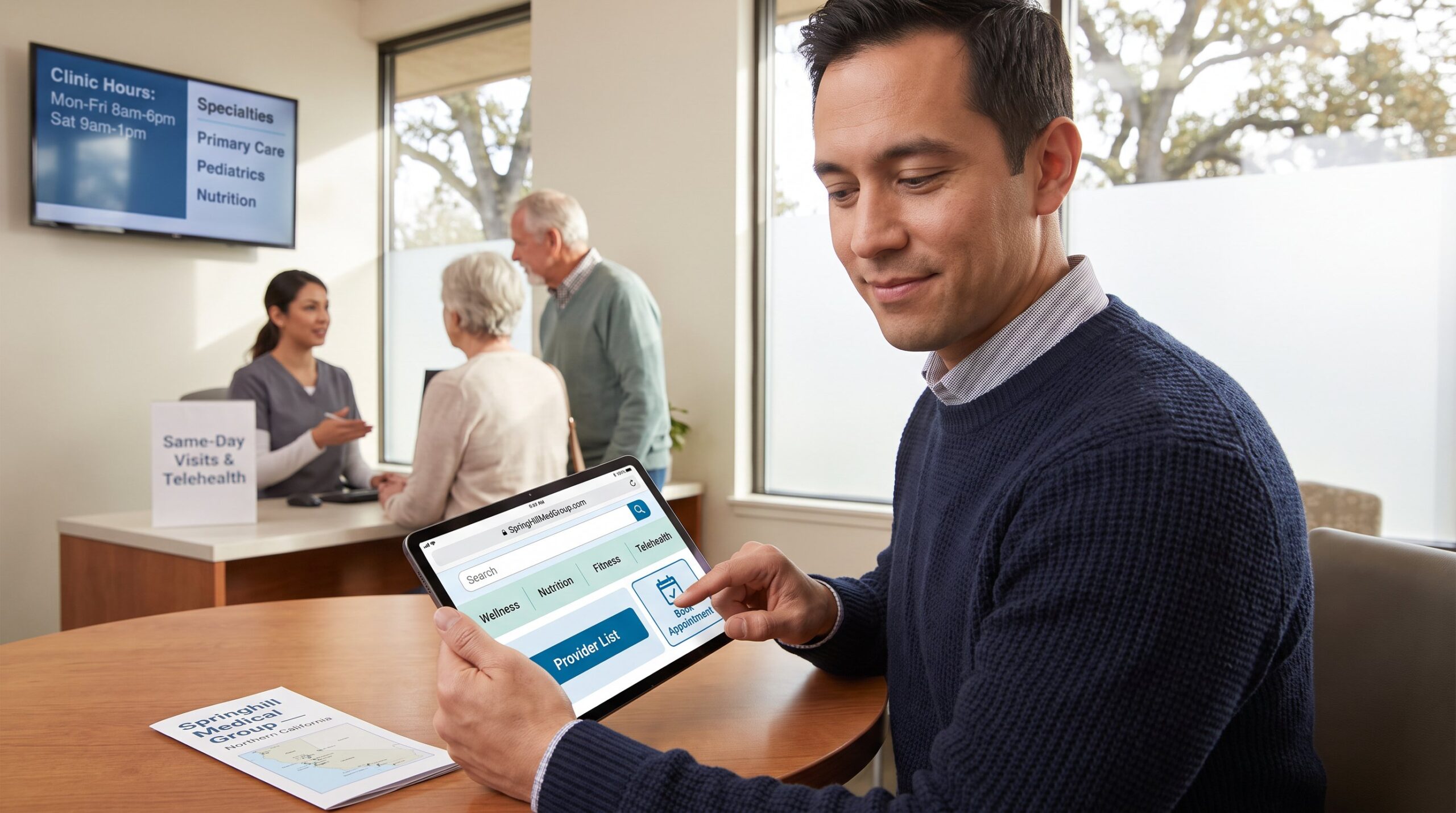
SpringHillMedGroup.com focuses on tangible topics: wellness tips, nutrition plans, exercise basics, chronic condition overviews, vaccination reminders, and clinic logistics. For a quick orientation, the site’s provider list shows which specialties and services are available. Practical reviews and booking walkthroughs appear regularly: for example, an article that lists appointment options and insurance details acts as a straightforward services and booking review.
Why this matters: a reader who needs to know whether a clinic offers same-day visits or telehealth can find procedural steps and links to contact channels without wading through jargon. The editorial posts also include concise how-tos and numbered lists so readers can scan quickly.
Intended Audience And Common Use Cases
Fact up front: the audience is primarily local patients and plain-language online readers seeking reliable, usable health information. Typical users include adults booking primary care, parents checking vaccine schedules, people researching basic nutrition, and patients comparing appointment options.
Concrete use cases: a patient in Brentwood confirming clinic hours will use the site’s contact information explained page: someone preparing for a visit may consult the patient services guide to understand co-pays and booking steps. The site supports readers who need quick, actionable facts, like hours, specialties, or whether telehealth is offered, without replacing clinical advice.
How To Navigate The Site: Search, Categories, And Reading Best Practices
Fact up front: use the site’s search bar and clear categories before deep reading, this saves time and reduces confusion.
Start by searching a condition, provider, or service phrase. If search returns many posts, filter by category: Wellness, Nutrition, Fitness, or Latest. For example, readers interested in telehealth steps should open the article that describes appointment logistics and then confirm details with the clinic.
Practical navigation steps
- Use search for exact terms (clinic name, provider name, or condition). The site groups pages so a search for “telehealth” will pull practical guides and booking pages.
- Browse categories to find topic clusters: fitness plans, nutrition tips, and preventive care series sit under clear tags.
- Open provider or service pages first when you need contact info or hours: these pages condense essential logistics.
Verify clinical details
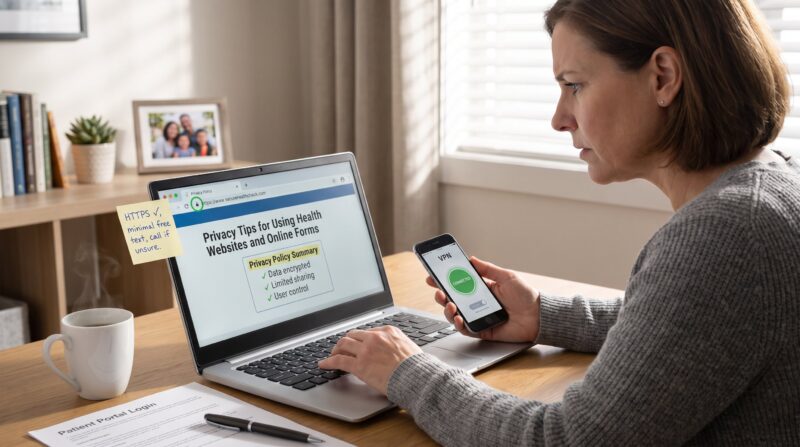
Fact up front: editorial pages explain services but do not replace a clinic’s official records. Before acting on treatment decisions or relying on an appointment time, cross-check any clinical detail with Springhill Medical Group’s official channels. For patient portal basics, how one can view records or messages, the site’s overview aligns with general practice: an external source like the patient portal overview explains how portals let patients review health data and messages securely.
Reading best practices
Start with the summary or first paragraph to get the core fact (recommendation, hours, or steps). Then scan headings and bullet lists for the action items: phone number to call, whether same-day visits exist, and what paperwork to bring. If an article mentions clinical recommendations or a medication, follow by asking the two quick checks: “Does my clinician support this?” and “Does insurance cover it?” The site itself links to many practical pages, for example, readers who want a broad orientation can open the ultimate health resource page for a curated starting point.
Conclusion: Using SpringHillMedGroup Effectively As Part Of Your Health Routine
Key takeaway: SpringHillMedGroup.com works best as a clear, practical starting place for basic health education and for orienting oneself to Springhill Medical Group’s services. Use it to prepare appointments, compare options, and learn simple wellness steps, but rely on clinicians and official clinic systems for diagnosis, treatment, and secure medical records.
About the Author