Cryosurgery is a common outpatient procedure that utilizes extreme cold to destroy targeted skin lesions. Liquid nitrogen, reaching temperatures as low as -196°C (-321°F), is applied to the affected area, freezing and destroying abnormal cells. This minimally invasive treatment is effective for various skin problems, from warts and skin tags to precancerous growths and some early-stage skin cancers.
Is Cryosurgery Right for You?
If you have a suspicious skin lesion, your doctor will likely recommend a biopsy to diagnose the exact type. Based on the results, cryosurgery may be a suitable treatment option for:
- Viral warts: These common, rough-textured growths are caused by the human papillomavirus (HPV).
- Skin tags: These are benign, soft, and painless skin growths that often appear on the neck, armpits, or groin.
- Actinic keratosis: These are precancerous, scaly patches that develop from sun exposure. A form of precancerous lesions can turn into squamous cell carcinoma if left untreated.
- Seborrheic keratosis is a common benign skin lesion characterized by noncancerous, wart-like growths with a waxy or greasy appearance. It is often mistaken for skin cancer.
- Molluscum contagiosum: This contagious skin condition causes clusters of small, painless bumps.
- Early-stage basal cell carcinoma and squamous cell carcinoma: These are the two most common types of skin cancer. Cryosurgery may be effective for certain types with minimal risk of spreading, particularly superficial basal cell carcinoma, a less aggressive form.
The Wilmington Skin Surgery Center or any nearby specialist can help you determine if cryosurgery is the right course for your skin condition. During a consultation, their experienced team will discuss your medical history, examine the lesion, and explain cryosurgery’s benefits and potential side effects.
Before Your Cryosurgery Appointment
Here’s what you can expect in the lead-up to your cryosurgery:
- Consultation: Discuss your medical history and any medications you’re taking with your doctor. They’ll explain the procedure, potential side effects, and answer any questions about treating skin conditions.
- Informed Consent: You’ll be asked to sign an informed consent form, acknowledging you understand the risks and benefits of the procedure for treating your skin problem.
- Sun Protection: For lesions caused by sun damage, your doctor might advise avoiding sun exposure for a few days before the procedure. Sun protection is an essential part of overall skin care.
- Certain Medications: Inform your doctor about any blood-thinning medications or aspirin use, as these may need to be adjusted before cryosurgery for skin lesions.
What to Expect During Cryosurgery
Cryosurgery is typically performed in your doctor’s office or a clinic setting. Here’s a breakdown of what to expect during the procedure for treating your skin condition:
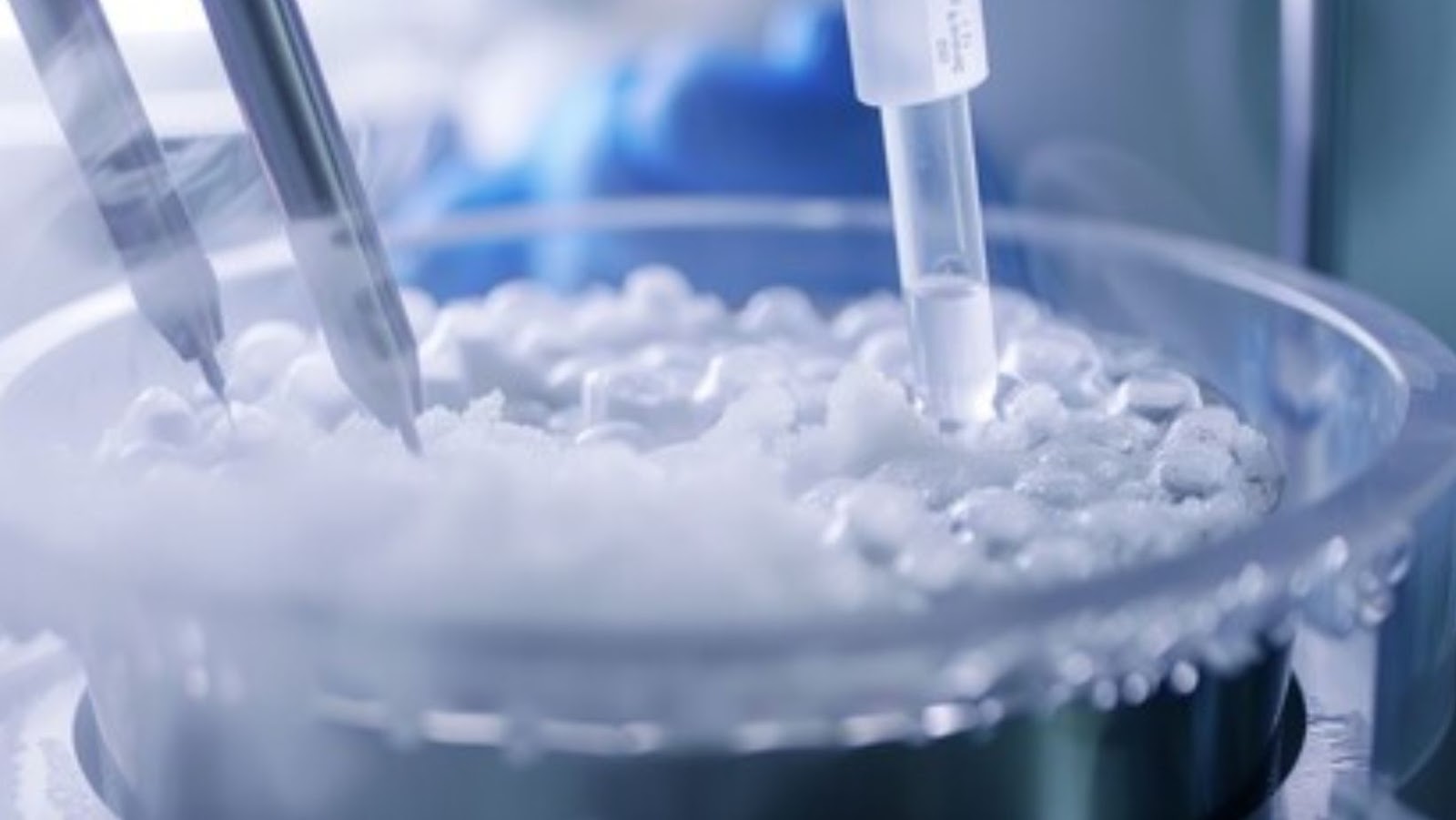
- Preparation: The area will be cleansed and dried. Anesthetic is usually not required for small lesions, but a local anesthetic cream may be applied for larger ones or more sensitive areas.
- Freezing: The doctor will apply liquid nitrogen using a cotton swab, spray device, or cryoprobe (a freezing probe). The freezing sensation can be uncomfortable, but it’s usually short-lived. You might experience a stinging or burning feeling. This freezing targets the abnormal tissue.
- Freeze-Thaw Cycle: The freezing and thawing cycle, also known as the thaw cycle, may be repeated once or twice to ensure complete destruction of the targeted tissue.
- Duration: The procedure typically takes only a few minutes, depending on the size and location of the lesion.
Recovery After Cryosurgery
Following your cryosurgery, here’s what to expect as your body heals:
- Blistering: The treated or treatment area will likely blister within a few days. This is normal and indicates the targeted tissue is dying off. Don’t pick at the blister; let it heal naturally.
- Bleeding: Minor bleeding is possible, especially if the lesion was vascular. Apply gentle pressure with a sterile gauze pad to control any bleeding.
- Crusting and Scabbing: The treated area will likely form a crust or scab. This is part of the healing process and should fall off naturally within two weeks.
Post-Cryosurgery Care Tips
To optimize healing and minimize the risk of complications, follow these post-cryosurgery care tips:
- Keep the Area Clean and Dry: Wash the treated area gently with mild soap and water daily. Pat it dry with a clean towel, and avoid soaking it in baths or hot tubs.
- Pain Management: Over-the-counter pain relievers like acetaminophen or ibuprofen can help manage discomfort after the procedure.
- Sun Protection: Avoid direct sunlight on the treated area until it heals completely. Use sunscreen with at least SPF 30 once the scab falls off. Sun protection is crucial to prevent further damage and potential skin cancers.
Alternatives to Cryosurgery
Cryosurgery is not always the best option for everyone. Some alternative treatment options for skin lesions include:
- Excisional surgery: This involves surgically removing the lesion with a scalpel. It’s typically used for larger lesions or those with a higher risk of skin cancer.
- Laser surgery: Lasers can vaporize or destroy abnormal skin cells. This may be suitable for certain conditions or cosmetically sensitive areas.
- Electrodessication and curettage (ED&C): This procedure uses an electric current to destroy the lesion, followed by scraping (curettage) to remove the dead tissue.
- Topical medications: Creams or ointments containing salicylic acid, for example, can effectively treat some skin conditions like actinic keratosis.
Concluding Thoughts
Cryosurgery can be a powerful tool to fight skin concerns, but it’s not a one-size-fits-all solution. Talk to your doctor about any suspicious moles or growths. Early detection is key to keeping your skin healthy and you feeling confident!
About the Author