You’ll likely feel little to no sharp pain during the implant surgery because your dentist numbs the area and offers sedation options, and most discomfort after the procedure is manageable with simple pain relief and short-term care. Whether you’re considering a single tooth implant in Miami or a more complex restoration, expect mild-to-moderate soreness for a few days, swelling that peaks within 48–72 hours, and steady improvement each week with proper care.
This article explains what each stage feels like — before, during, and after the procedure — what causes soreness, and practical steps you can take to control pain and speed healing so you get predictable, long-term results. Follow these tips and timelines to reduce anxiety, know when to contact your provider, and prepare a recovery plan that fits your life.
Understanding Dental Implant Procedures
You will learn what happens during implant surgery, the main implant types and placement methods, and how anesthesia or sedation control pain and anxiety. The details below tell you exactly what to expect, which implants might suit your jaw and how your care team manages comfort.
What to Expect During Dental Implant Surgery
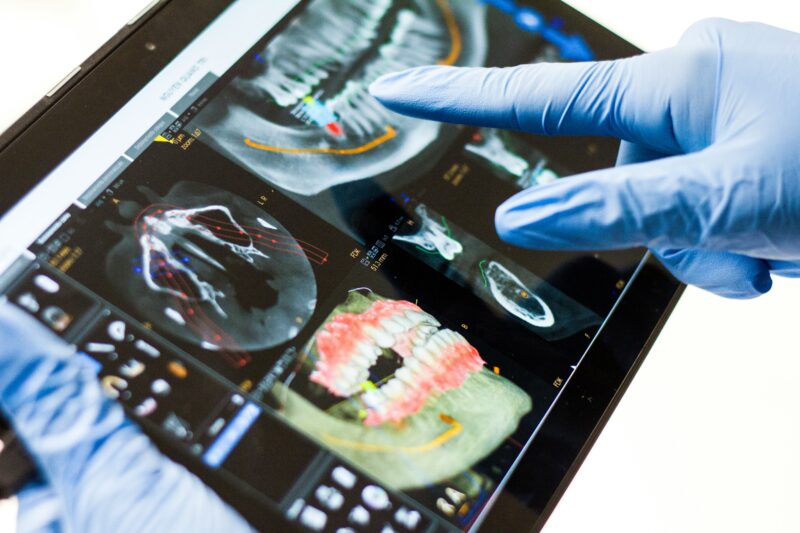
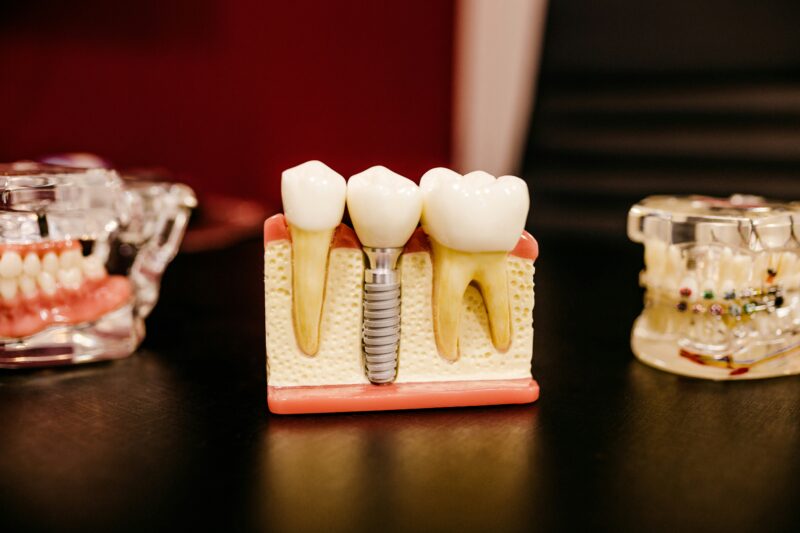
The procedure typically starts with a preoperative exam and imaging—usually a CBCT scan—to map your jawbone and nerves. Your surgeon places a titanium implant post into the bone; this often takes 30–90 minutes per implant depending on location and difficulty.
You may also need tooth extraction, bone grafting, or sinus lift before or during implant placement. These add time and may increase immediate postoperative soreness. After the post is seated, your surgeon closes the site with sutures and covers it with a healing cap or temporary crown.
Expect localized swelling, mild to moderate discomfort for a few days, and instructions for a soft diet and oral hygiene. Follow prescribed antibiotics and pain medications, avoid heavy exertion for 48–72 hours, and attend follow-up visits to monitor osseointegration.
Types of Dental Implants and Techniques
Endosteal implants (screws placed into the jawbone) make up the majority of cases and work well when you have adequate bone volume. Subperiosteal implants sit on top of the bone under the gum and suit patients with significant bone loss who cannot or will not undergo grafting.
Techniques vary: immediate implant placement happens at the time of extraction; delayed placement waits for healing (weeks to months). Guided implant surgery uses 3D planning and a surgical guide for precise angulation and depth, reducing operative time and tissue trauma.
Your dentist selects implant diameter, length, and surface based on bone density and the tooth’s function. Remote factors—smoking, uncontrolled diabetes, and poor oral hygiene—affect implant choice and success, so your provider will review risks and may recommend preparatory treatments.
The Role of Anesthesia and Sedation
Local anesthesia numbs the surgical site and is standard for most implant placements; you will remain awake but pain-free in the area. Your provider may add a local nerve block (for example, an inferior alveolar block for lower molars) for more profound anesthesia.
For anxiety or longer procedures, conscious sedation options include oral sedatives (e.g., triazolam), nitrous oxide, or intravenous (IV) sedation. These reduce awareness and memory of the procedure while maintaining your protective reflexes. General anesthesia is rare and reserved for complex full-arch reconstructions or patients with special needs.
Your care team assesses medical history, current medications, and fasting requirements before sedation. They will monitor vital signs and recovery; you must arrange transportation home if you receive oral sedatives, IV sedation, or general anesthesia.
Pain Expectations: Before, During, and After
You will likely feel little to no pain during the procedure because of anesthesia and sedation options. Expect short-term swelling, bruising, and mild-to-moderate soreness afterward, manageable with medications and care.
Is Dental Implant Surgery Painful?
Local anesthesia numbs the area so you should not feel pain while the implant is placed. Many practices offer oral sedation, nitrous oxide, or IV sedation if you feel anxious; these reduce awareness and memory of the procedure.
You may notice pressure, vibration, or movement sensations even when numb. The surgeon works in the bone and soft tissue, but careful technique minimizes trauma and lowers immediate postoperative pain.
If you have medical conditions or take blood thinners, tell your dentist beforehand; these factors affect bleeding, healing, and comfort levels. Discuss a pain plan and sedation options before your appointment.
Typical Discomfort After the Procedure
Once anesthesia wears off, expect soreness for 48–72 hours, usually rated mild to moderate. Pain often peaks the first day and declines quickly with prescribed or OTC pain relievers.
Common symptoms:
- Local swelling and bruising that peak at 48–72 hours.
- Tenderness at the gum and jaw, especially when chewing.
- Minor bleeding or oozing for 12–24 hours.
Follow these steps to reduce discomfort:
- Take analgesics as instructed—don’t wait until pain intensifies.
- Use cold packs for the first 24 hours, then warm compresses if swelling persists.
- Avoid hard or crunchy foods and follow soft-diet guidance for 1–2 weeks.
Contact your provider if pain increases after initial improvement, if you develop fever, or if you see excessive swelling or pus.
Comparing Implants to Other Dental Treatments
Implant placement often causes less postoperative pain than surgical tooth extractions that involve impacted teeth. That’s because implants are planned to minimize unnecessary bone and tissue removal.
Compared with root canal therapy, implants involve surgery to the bone, so short-term swelling and soreness are more likely with implants. However, implant pain usually resolves predictably within days to a couple of weeks.
Compared with denture adjustments or bridge placements, implants require a healing phase but offer longer-term comfort once osseointegration completes. Your recovery timeline depends on implant complexity—single implants heal faster than procedures requiring bone grafts or sinus lifts.
Managing Pain and Promoting Healing
You can control most pain with the right medications, gentle home care, and by watching for warning signs that require a dentist’s attention. Follow prescribed dosages, keep the surgical area clean without disturbing the implant, and contact your provider if swelling, fever, or unusual drainage appears.
Pain Relief Options and Medications
Your dentist will usually prescribe or recommend medications based on how invasive the implant placement was. Common regimens include:
- Over-the-counter analgesics: 400–600 mg ibuprofen every 4–6 hours as needed, unless contraindicated.
- Acetaminophen can be combined with ibuprofen for more consistent relief; follow maximum daily limits.
- Prescription opioids are reserved for severe immediate post-op pain and used short-term (typically 24–72 hours).
- Antibiotics may be given if your clinician assesses an infection risk.
Take medications with food if they upset your stomach. Avoid aspirin for the first 24 hours if your dentist advised against blood-thinning. Always tell your provider about allergies, pregnancy, or blood thinners you’re taking.
Effective Home Care for Recovery
Control swelling and support healing with these specific measures:
- Apply an ice pack to the cheek (20 minutes on, 20 minutes off) for the first 24 hours.
- Sleep with your head elevated for 48–72 hours to reduce bleeding and swelling.
- Rinse gently with warm salt water starting 24 hours after surgery, 3–4 times daily.
- Avoid vigorous rinsing, spitting, smoking, or using a straw for at least one week to prevent dislodging the blood clot.
- Stick to soft foods (yogurt, mashed potatoes, smoothies) for 3–7 days and chew away from the implant site.
- Maintain oral hygiene with careful brushing; use a soft-bristled brush and avoid brushing directly over the implant incisions for a few days.
Follow scheduled follow-ups so your dentist can remove sutures if needed and check osseointegration progress.
Common Signs of Complications
Watch for these specific symptoms and contact your dental office promptly if they appear:
- Persistent or increasing pain beyond 7–10 days despite medication.
- Swelling that worsens after 72 hours or spreads to the neck/eye area.
- Fever over 100.4°F (38°C) or chills, which can indicate infection.
- Continuous bleeding that soaks more than a couple of gauze pads in an hour.
- Pus-like drainage or a foul taste/smell from the surgical site.
- Numbness or tingling that doesn’t improve after a few days; this may signal nerve involvement.
If you experience any of these, avoid self-medicating beyond recommended doses and seek urgent dental or medical evaluation.
Long-Term Recovery and Results
You’ll experience gradual bone and gum healing, and the implant should integrate with your jaw over months. Your role — following care instructions, keeping the area clean, and attending follow-ups — strongly affects long-term success.
Timeline for Healing
Initial soft-tissue healing usually completes in 1–2 weeks; expect reduced swelling and minor soreness during this period. The implant’s osseointegration (bone fusing to the titanium post) typically takes 3–6 months, depending on bone quality and whether you had grafting.
If you had a bone graft or sinus lift, add 3–6 months before the implant fully integrates, and plan for more follow-up imaging. Your dentist will schedule checks at 1–2 weeks, 3 months, and just before crown placement to confirm stability.
Once the crown or prosthetic attaches, your bite may need small adjustments; these are routine and protect the implant from undue stress. If you notice persistent mobility, increasing pain, or changes in gum color, contact your dentist promptly.
Maintaining Oral Health After Implants
Treat the implant like a natural tooth: clean twice daily with a soft brush and use interdental brushes or floss designed for implants. Avoid abrasive toothpaste and hard scrubbing that can irritate peri-implant tissue.
Schedule professional cleanings every 3–6 months as recommended; hygienists use non-metal instruments and polishing to protect the implant surface. If you smoke, quit or reduce use — smoking raises the risk of implant failure and delayed healing.
Monitor for signs of peri-implantitis: bleeding when probing, receding gum around the implant, persistent bad taste, or mobility. Report any of these to your dentist immediately so they can intervene with cleaning, antibiotics, or targeted treatment to preserve the implant.
About the Author