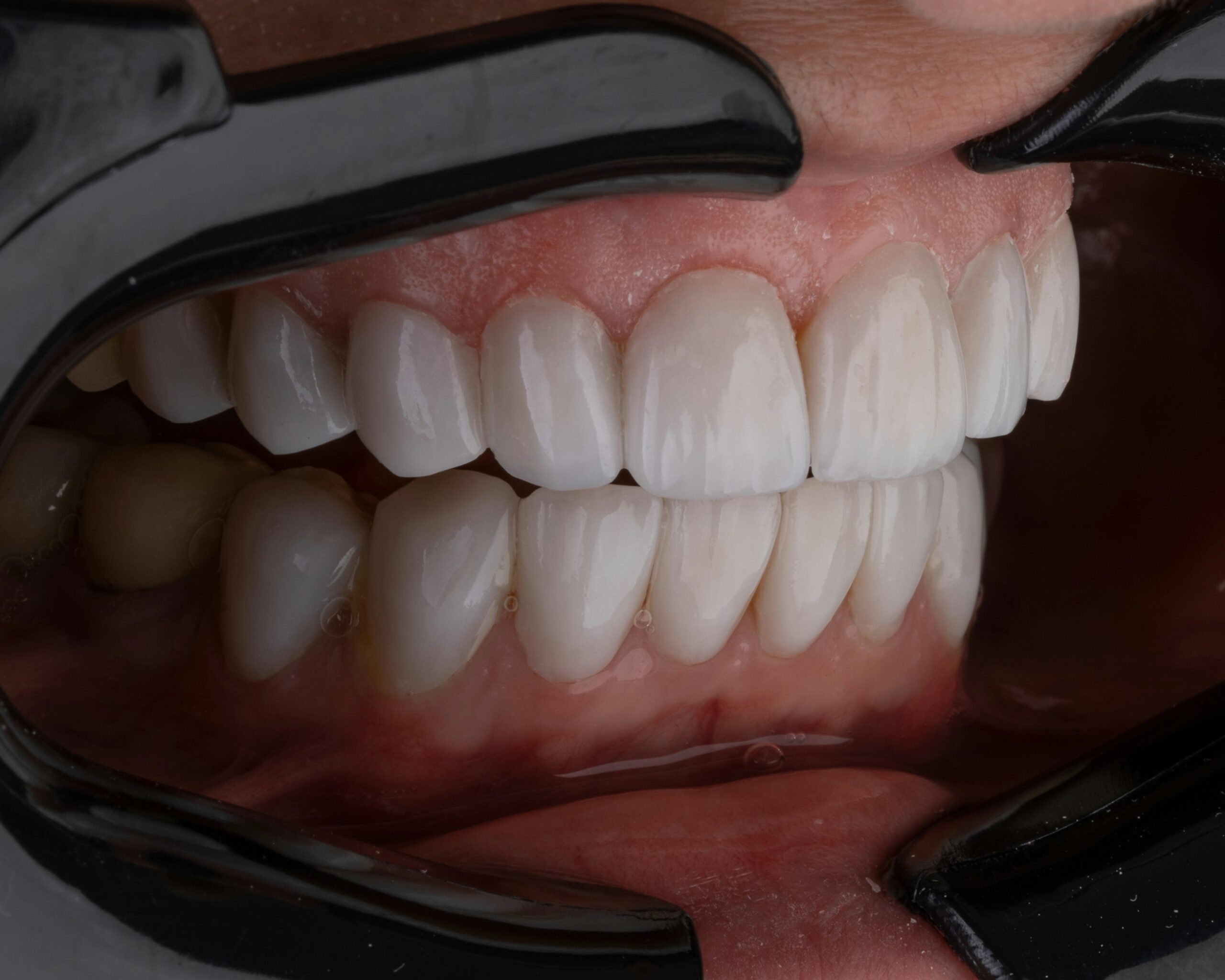
Dental implants can last for decades and often function for a lifetime when you maintain good oral hygiene, avoid tobacco, and get regular professional care.
Most studies show implants have roughly a 90–95% success rate at 10 years, so with proper care you can expect long-term, stable tooth replacement rather than a short-term fix. This article will explain how implant parts differ, which health and lifestyle factors most affect longevity, and practical steps you can take to protect your investment so your smile keeps working well for years, especially when exploring dental implants in Hutto TX as a long-term replacement option.
Understanding Dental Implant Longevity
Dental implants can function for many years when placed correctly and cared for consistently. Expect outcomes to hinge on implant type, surgical skill, and your daily oral habits.
Average Lifespan of Dental Implants
Most implants that integrate successfully into the jawbone show high survival rates at 5–10 years, often reported around 90–95% in clinical studies. You can reasonably expect a single well-placed titanium implant and crown to last 10–30 years or longer when you maintain good oral hygiene and attend regular dental checkups.
Failures tend to cluster early (within the first year) from poor osseointegration or later from biological complications like peri-implantitis. Prosthetic parts such as crowns or screws may need replacement more frequently—typically every 10–15 years—depending on wear and occlusion. Insurance, follow-up care, and access to maintenance affect real-world longevity.
Primary Factors Influencing Longevity
Surgical placement and bone quality matter: dense, healthy bone and precise implant positioning reduce mechanical stress and promote stable osseointegration. Your systemic health influences outcomes; uncontrolled diabetes, smoking, and certain medications (e.g., bisphosphonates) raise complication risk.
Oral hygiene and professional maintenance determine the implant’s biological environment. Brush twice daily, clean interdental spaces, and see your dentist every 3–12 months based on risk. Bite forces, bruxism, and prosthetic design also affect mechanical lifespan; occlusal adjustments, night guards, and well-distributed force through multiple implants lower failure risk.
Difference Between Implant Components
An implant system has three main parts: the implant (titanium or zirconia root), the abutment (connector), and the prosthesis (crown, bridge, or denture). The implant body osseointegrates and is intended as a long-term fixture; it typically lasts longest if free of infection and overload.
Abutments and crowns face mechanical wear and esthetic changes. Crowns usually need replacement due to fracture, wear, or staining. Abutment screws can loosen and sometimes fracture; routine checks and screw-retorque during maintenance visits prevent many issues. Choose materials and designs with documented track records for predictable performance.
Key Factors Affecting How Long Dental Implants Last
Multiple factors determine implant lifespan: how well you clean and maintain the site, the specific materials used, the skill and decisions of your dental team, and any medical conditions that affect bone or healing.
Patient Oral Hygiene Habits
Your daily cleaning routine directly influences implant survival. Brush twice daily with a soft-bristle brush and use interdental brushes or floss designed for implants to remove plaque around the crown and abutment. Professional cleanings every 3–6 months matter; a hygienist can remove calculus that home care misses.
Avoid tobacco and limit alcohol. Smoking increases the risk of peri-implantitis (gum infection around the implant) and delays healing after placement. If you grind or clench, talk to your dentist about a nightguard—mechanical overload can loosen the implant or fracture the crown.
Quality of Implant Materials
Not all implants and crowns are equal. Titanium and titanium alloys remain the most studied and reliable implant fixtures because they osseointegrate with bone. Zirconia implants exist as metal-free alternatives, but long-term data are still growing.
For the visible tooth, porcelain-fused-to-metal, full-ceramic, and zirconia crowns each offer trade-offs in strength and aesthetics. Ask for brand names, implant system compatibility, and warranty details. Components from reputable manufacturers with documented clinical studies reduce the risk of mechanical failure and corrosion.
Skill of Dental Professionals
Your clinician’s training and experience affect placement accuracy and long-term success. Proper implant planning uses CBCT scans, surgical guides, and accurate bite records to position the implant for optimal load distribution. Poor angulation or insufficient depth can cause bone loss or prosthetic complications.
Ask about your dentist’s implant case volume, continuing education, and whether they collaborate with oral surgeons or prosthodontists for complex cases. Dentists who regularly complete dental CE courses stay current with the latest implant techniques, materials, and protocols, a meaningful factor when choosing a provider for a procedure with such long-term implications.
Pre-Existing Health Conditions
Systemic health and local bone quality change healing and osseointegration. Diabetes that is poorly controlled raises infection risk and slows bone healing; maintain an A1C within target ranges before elective implant surgery. Osteoporosis itself doesn’t automatically rule out implants, but certain medications (e.g., intravenous bisphosphonates) increase risk of jaw complications.
Periodontal disease must be treated and stabilized before implant placement. Active gum infection around natural teeth increases the chance of peri-implantitis. Communicate all medications and medical history, and coordinate care with your physician when needed to optimize outcomes.
How to Prolong the Life of Your Dental Implants
Focus on daily cleaning, regular professional care, and smart lifestyle choices to reduce risks like infection, implant overload, and bone loss. Small, consistent habits make the biggest difference for long-term stability.
Effective Aftercare Practices
Brush twice daily with a soft-bristled brush and low-abrasive toothpaste to remove plaque without scratching the crown. Use interdental brushes or floss designed for implants along the sides of the implant and beneath the crown to prevent peri-implantitis.
Rinse with an antimicrobial mouthwash if your dentist recommends it, especially during the first few weeks after surgery. Follow any immediate post-op instructions exactly: avoid chewing on the surgical side, eat soft foods, and keep sutures and the wound area clean.
If you notice redness, persistent bleeding, swelling, or looseness, contact your dentist promptly. Early treatment of infection or soft-tissue problems preserves bone and prevents more extensive procedures later.
Professional Maintenance and Regular Checkups
Schedule exam and hygiene visits at least every 6 months, or more often if your dentist advises. During visits, your clinician will check implant stability, probe peri-implant tissues, and take periodic X-rays to monitor bone levels.
Professional cleanings remove calculus around the implant that you can’t reach at home. Your hygienist will use plastic or titanium instruments and non-abrasive polishing to protect the implant surface and surrounding gum tissue.
If any component shows wear—or if the crown becomes loose—address it quickly. Replacing a worn crown or tightening an abutment early prevents stress on the implant and surrounding bone.
Lifestyle Choices Impacting Implant Lifespan
Avoid tobacco in all forms; smoking increases infection risk and slows bone healing, which reduces implant success. If you use tobacco, discuss cessation resources with your dentist before and after surgery.
Control chronic conditions like diabetes through medical care, because poorly controlled blood sugar raises infection risk. Maintain a balanced diet rich in calcium and vitamin D to support bone health.
Limit hard or sticky foods that can chip or dislodge crowns. If you grind or clench your teeth, ask for a nightguard—protecting implants from excessive force prevents mechanical failure.
About the Author