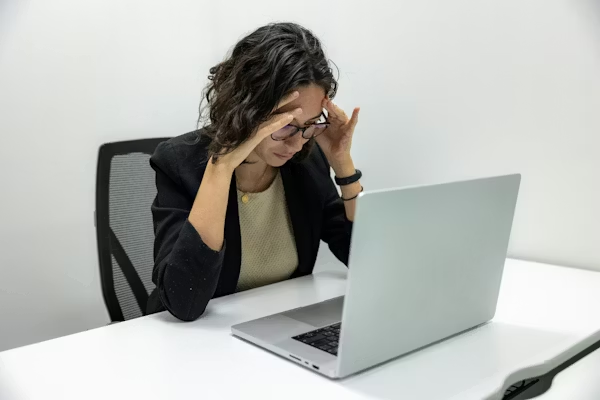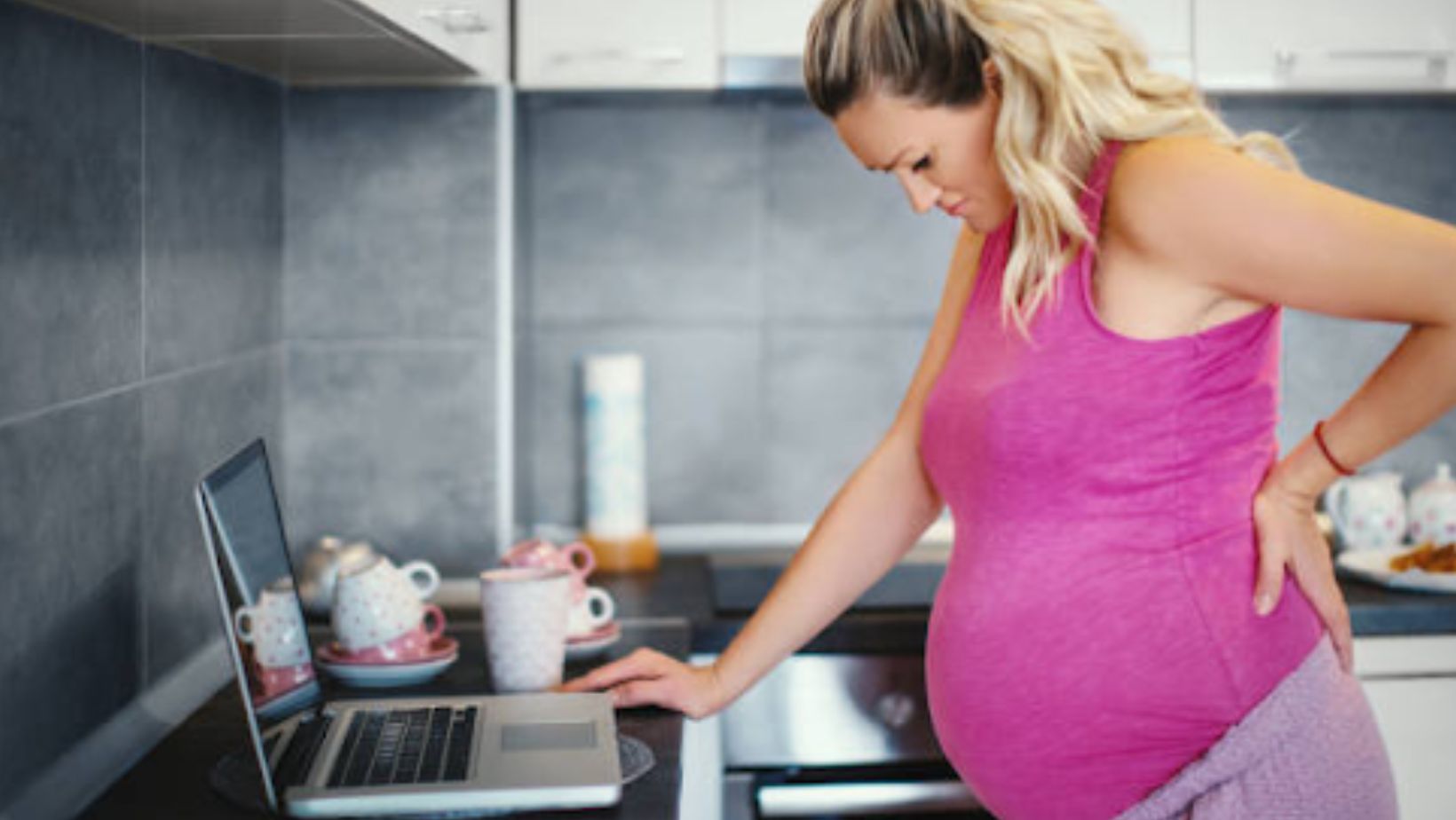
The physical requirements of the mother do not stop after the baby is born; it usually turns into new challenges as your body tries to adapt to caring the baby. Lower back pain postpartum is a reality that is being faced by more new mothers than some anticipate. Your back still adapts even after the birth of your baby, after months of bearing extra weight, posture changes, and the physical exertion of work.
The fact is that your body is changed in your enormous anatomical and hormonal way during the last nine months, and your core muscles are weakened and your joints are extremely flexible. These are the ideal conditions of spinal instability and pain. Treatment of lower back pain in the postpartum period needs a complex approach involving both short-term pain management strategies and long-term postural therapy and core strengthening activities. This guide will also give a detailed description of why this pain happens, how you can manage it using easy home remedies, and what medical assistance you can get in order to get long-term benefits.
Lower Back Pain Postpartum Overview
Lower back pain after childbirth is pain in the lumbar area (lower spine) that is experienced during the weeks and months after childbirth. The pain is typically divided into its origin: mechanical (movement-related, structure-related) or hormonal (joint-related, instability-related).
Typical Features of Postpartum Back Pain:
- Pelvic Girdle Pain (PGP) / Sacroiliac Joint (SIJ) Pain
The pain is sharp, stabbing, and usually only over the dimples of the lower back, usually extending down to the buttocks or behind the thighs. This is a mechanical pain, and it becomes worse with the asymmetrical movements such as climbing the stairs, entering the car, or getting into it, as well as standing on one leg.
- Lumbar Pain
This type of pain is more scattered in your body. This is usually muscular and postural, and is attributed to a weakened core and the habit of slouching or swaying the back during the process of carrying your baby.
- Sciatica
A type of pain that runs down the leg that may be situated in the lower back or pelvis as a result of compression or irritation of a nerve.
Why Lower Back Pain Happens Postpartum
A number of physical and hormonal alterations cause back pains that persist even after giving birth. It is typically a mix of old complications during pregnancy and new physical challenges in the process of taking care of a newborn.
Here are the common causes of lower back pain:
- Weakened Abdominal Muscles
When you are pregnant, your stomach muscles are distended so that they part as your belly expands. This decreases the stability of the core to the extent that your lower back is strained to exert more effort in the most mundane activities, such as bending and lifting.
- Hormonal Changes
Pregnancy elevates a hormone known as relaxin that relaxes the ligaments and joints, particularly the ones around the pelvis. Your levels of relaxin remain high weeks postpartum, leaving your spine with less support and thereby more likely to strain.
- Labor and Delivery Strain
Giving birth requires a lot of pressure on the lower back and the pelvic region. Your back may become stiff and tired following long working hours.
- Changes in Posture
Such daily habits as breastfeeding, infant rocking, bending over cribs, or carrying a car seat naturally induce slouching. In the long run, this produces lower back chronic tightness.
Symptoms and Signs to Watch for Postpartum Lower Back Pain
Although certain discomfort should be anticipated, it is crucial to be aware of the symptoms of other severe conditions, especially those associated with joint instability or nerve problems.
Back pain after delivery is not the same. The symptoms can either come gradually or be sudden during activities.
Common signs include:
- Constant pains in the lower back
- Acute pain when bending, lifting, and standing up after sitting.
- Soreness that gets worse after carrying your baby or sitting too long.
- Problems with standing because of muscle weakness.
Although most of them are normal symptoms, there are times when medical advice is required. Contact your medical practitioner in case you experience:
- Pain that is very excessive to the extent of inhibiting mobility.
- Weakness and numbness in your legs.
- When you feel like the pain does not go away, it gets worse.
Simple Relief Methods for Lower Back Pain Postpartum
The relief strategies can be implemented in the home environment by applying soft and simple measures. The following are the methods for reducing the pain and helping you recover quickly:
- Heat Therapy
Using heat and a hot compress will help in better blood circulation and relax your muscles. Heat can be used in 10-15 minute intervals and mostly before feeding or taking your baby.
- Stretching and Light Exercises
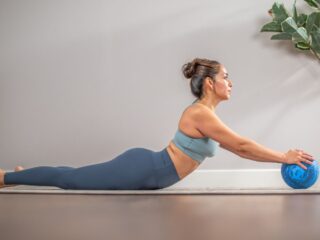
Light movements assist in the relaxation of contracted muscles. Just be careful about hip targets. An easy pelvic tilt will tighten your core without putting any effort.
- Prioritize Body Alignment
When approaching your daily chores, your posture should be altered to alleviate the load off the lower back.
- Keeps your back supported during breastfeeding
- Bend your knees when lifting
- Abdominal and Pelvic Support
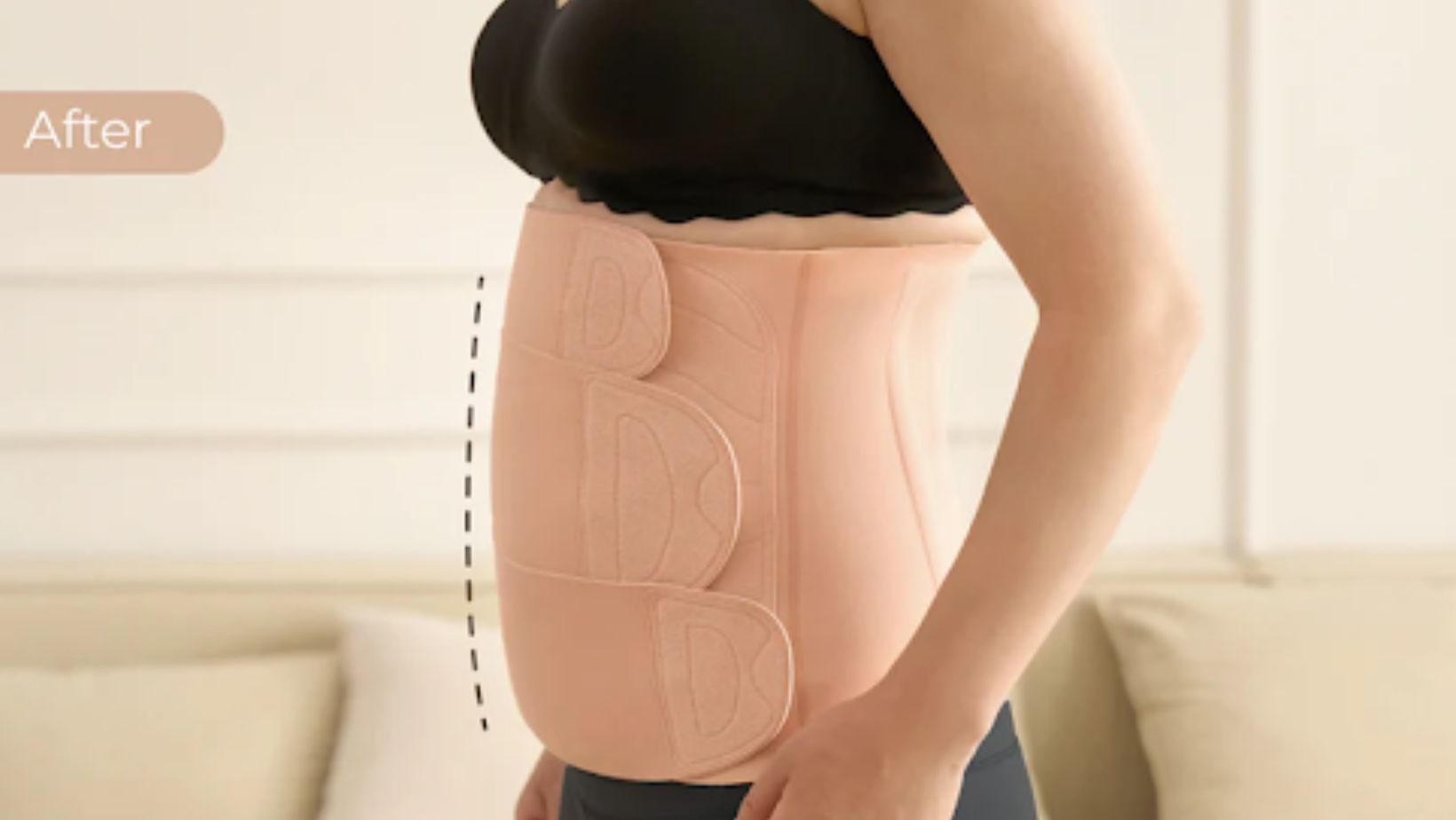
When you are born, your major might require more solidity. A belly belt after delivery can aid in tying the muscles and lower back strains.
- Adequate Rest and Sleep
Exhaustion is followed by pain sensitivity. Always rest as much as you are able. Lower back pressure can also be relieved by the use of supportive pillows when sleeping.
Treatment Options and Prevention Tips Postpartum
In case the home remedies are insufficient or the pain is too persistent, there are a number of treatment options to support recovery and make your body stronger. A combination of physical therapy, providing specific exercises to restore core stability, and chiropractic care, which can address post-pregnancy and delivery alignment problems, can be adopted. Massage treatment is very useful in relieving deep muscle tension, and your physician might prescribe harmless drugs in case inflammation or pain cannot be controlled easily.
To avoid, lessen lower back conditions in the future, concentrate on gradual strengthening, particularly along the core and the pelvis region. Moving around with light walks will make one feel less stiff and increase circulation. Assistive equipment, including wraps, braces, or ergonomic carriers, will also reduce the wasted strain to your lower back when making daily motions.
Conclusion
The process of postpartum recovery is not fast, and lower back pain cannot dominate your everyday life. After knowing why this discomfort occurs and the symptoms to watch, then you will be able to react with the appropriate assistance and practical solutions. Such easy techniques as the better position, the warm temperature, the light stretches, and the leaning on a supportive device can greatly change the way you feel.
When necessary, there are professional treatments, which provide supplementary relief and permanence. This is achieved by ensuring that you pay the attention and care your body needs to relieve any discomfort, regain strength, and enjoy the process of postpartum life with much comfort and confidence.
About the Author