Deciding between mini dental implants and traditional implants comes down to your priorities: cost, healing time, bone availability, and long-term durability. If you’re researching dental implants in Mauston, WI, understanding these differences is key — mini implants typically cost less, require a less invasive procedure, and heal faster, while traditional implants offer greater strength and longevity for most full-tooth restorations.
You’ll learn how each option differs in size, surgical approach, recovery, and when one fits your mouth better than the other. The article will also compare procedural steps, highlight advantages and limitations, and walk through cost, maintenance, and long-term considerations so you can make a confident, practical choice for your smile.
Understanding Mini Dental Implants vs. Traditional Implants
Mini implants and traditional implants both replace missing tooth roots, but they differ in size, components, and typical uses. You’ll learn how each is built, where they overlap, and the structural trade-offs that affect stability, healing, and long-term planning.
Definition and Components
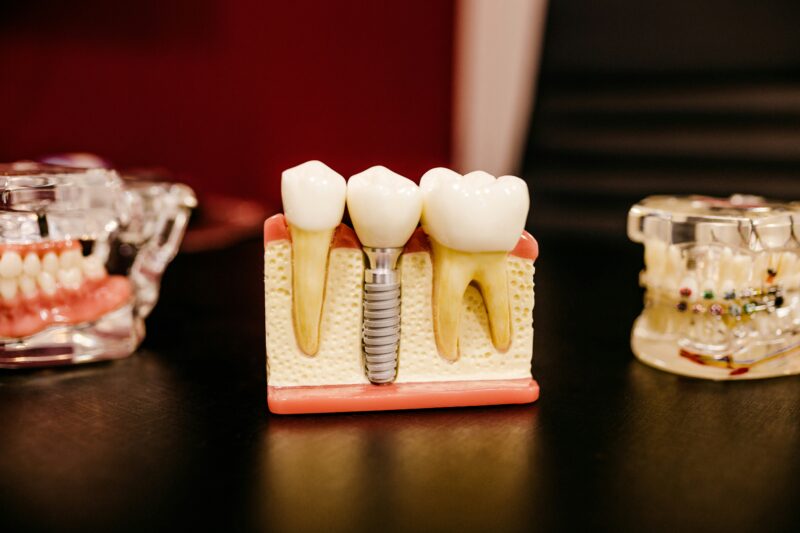
Mini dental implants (MDIs) are narrow, single-piece titanium implants typically about 1.8–3.0 mm in diameter. They combine the implant body and abutment into one unit and often use a ball- or O-ring attachment to retain overdentures. Placement usually requires a smaller incision and less drilling, which can reduce procedural time and the need for bone grafting.
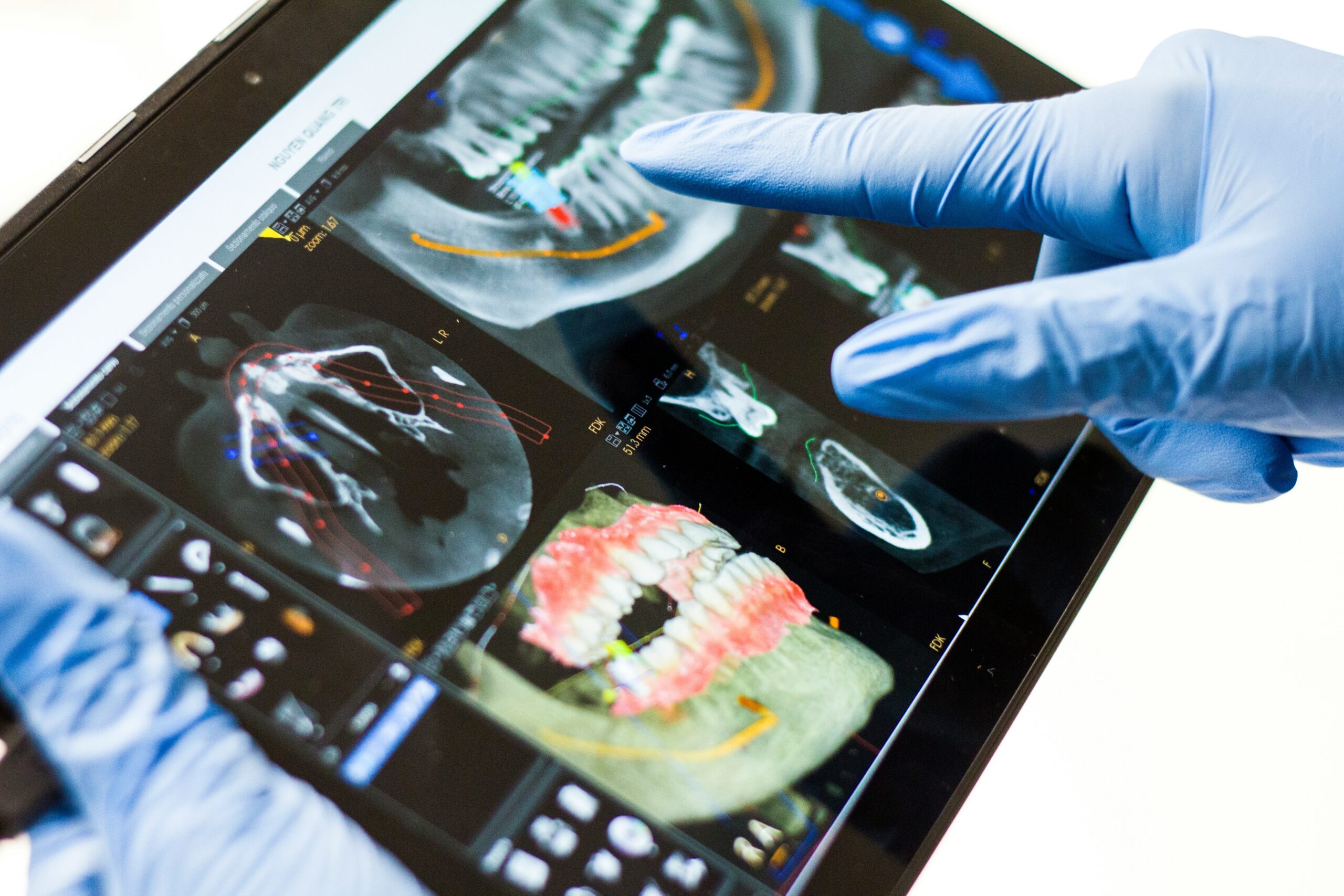
Traditional implants are wider—commonly 3.5–6.0 mm in diameter—and use a two-piece system: an endosseous screw (implant) and a separate abutment that connects to the crown. You’ll often need staged surgery or guided placement with CBCT imaging. Standard implants accommodate a wider range of prosthetic options, including single crowns, bridges, and full-arch fixed restorations.
Key Similarities
Both implant types act as artificial tooth roots made from biocompatible materials, most commonly titanium or titanium alloys. Each requires osseointegration—bone growth directly onto the implant surface—to provide functional support for chewing and speech.
You can use either for single-tooth replacement or denture stabilization, depending on clinical indications. Both involve local anesthesia, sterile surgical protocol, and follow-up care that includes hygiene, periodic exams, and sometimes imaging to monitor bone levels and implant integrity.
Structural Differences
Size and shape drive most structural differences. MDIs have a smaller diameter and a slimmer profile, which makes them suitable for narrow ridges or temporary solutions. Their single-piece design limits prosthetic flexibility and can transmit more lateral stress to surrounding bone.
Traditional implants’ larger diameter and two-piece architecture provide greater primary stability and better load distribution. The separate abutment allows screw-retained or cemented crowns and easier restorative adjustments. You’ll generally see higher long-term durability with standard implants in high-load areas like molars, while MDIs often suit lower-load anterior regions or denture retention.
Comparing the Implant Procedures
You will learn how the two procedures differ in surgical steps, total treatment time, and the jawbone quality each requires. These differences affect recovery, costs, and whether additional treatments (like bone grafts) become necessary.
Surgical Process Overview
Traditional implants require a multi-step surgery. Your dentist or oral surgeon drills a pilot hole, places a titanium implant fixture into the bone, and usually closes the site for healing. After osseointegration (typically several months), a second procedure exposes the implant and attaches an abutment and crown.
Mini implants use a less invasive, single-stage approach in many cases. Your clinician inserts a narrow, one-piece implant (about 2–3 mm diameter) with a small pilot drill or self-tapping technique. You often receive a provisional attachment the same day, which can stabilize a denture immediately.
Timeframe for Placement
Traditional implant placement spans several months. Expect 1–2 hours for surgery, then 3–6 months for the implant to fuse with bone before final restoration. Additional steps—bone grafting or sinus lifts—extend total treatment time by months.
Mini implants shorten that timeline. In many cases you’ll have placement and a functional restoration in one visit or within days. Healing still occurs, but immediate loading is common because the narrow implant is designed for quicker provisional use rather than long-term heavy loading.
Required Bone Density
Traditional implants need adequate bone volume and density to achieve predictable osseointegration. If your jawbone is thin or weak, your clinician may recommend grafting, ridge augmentation, or a sinus lift to provide a stable foundation.
Mini implants demand less bone width but still require sufficient cortical bone for primary stability. They suit patients with narrow ridges who want to avoid grafting. However, they provide less surface area for bone contact, so your clinician will assess bone quality closely before recommending them.
Advantages and Limitations
Mini implants are generally less invasive, lower cost, and faster to place, while traditional implants offer greater strength, versatility, and long-term predictability. Each option trades off bone requirements, procedure complexity, recovery time, and suitability for different restoration types.
Suitability for Different Patients
Mini implants suit patients with narrow jaw ridges, limited bone height, or those who cannot tolerate extensive surgery. You may prefer minis if you need to stabilize a lower denture quickly, if bone grafting is not an option, or if medical conditions (e.g., controlled diabetes, anticoagulant use) make shorter procedures safer.
Traditional implants fit patients who want single-tooth crowns, multi-tooth bridges, or long-term fixed restorations. You should choose traditional implants when you have adequate bone volume or can undergo grafting, when occlusal forces are high (back teeth), or when maximal durability and restoration options matter most.
Longevity and Success Rates
Traditional implants show high long-term success—often reported above 90–95% over 10 years—because of larger diameter fixtures and solid osseointegration. You get greater resistance to bending and fracture with traditional implants, which supports heavier chewing forces and complex prosthetics.
Mini implants have acceptable short- to mid-term success for specific uses, such as denture retention, but success rates can be lower for single-tooth load-bearing restorations. Risk of loosening or fracture rises under high occlusal load. Expect potentially shorter service life and more frequent maintenance with minis in demanding clinical situations.
Aesthetic and Functional Outcomes
Traditional implants provide superior aesthetic control for single crowns and anterior restorations because you can place wider fixtures and shape the emergence profile. You will achieve more natural-looking gum contours and greater restorative flexibility with traditional implants when replacing visible teeth.
Mini implants perform well for denture stabilization and small posterior teeth in low-load areas. They restore chewing function for many patients, but you may notice limitations in biting force and prosthetic options. Expect simpler, slimmer abutments and less capacity for detailed crown shaping compared with standard implants.
Potential Risks and Complications
Mini implants carry higher risk of mechanical complications like abutment loosening and implant fracture, especially under high bite forces. You may also face faster bone remodeling around thin-diameter implants, which can lead to mobility or loss if overloaded.
Traditional implants involve more invasive surgery, longer healing, and possible need for bone grafts, which increases short-term risks such as infection, nerve injury, or sinus complications. However, mechanical failure is less common. For both types, you should maintain good oral hygiene and attend regular follow-ups to reduce peri-implantitis and other biological complications.
Cost, Maintenance, and Long-Term Considerations
Mini implants usually cost less up front, require simpler daily care, and can be placed with less invasive surgery. Traditional implants have higher initial fees, often greater long-term durability, and may need additional procedures that affect total cost and timeline.
Initial Investment and Insurance Coverage
Mini implants commonly range from about $500 to $2,000 per implant, depending on location and whether they support a denture or single crown. Traditional implants typically run $2,000 to $4,500 per implant for the implant body, abutment, and crown, with prices rising if you need bone grafting or sinus lifts.
Insurance often treats implants as elective. You should check your dental plan for partial coverage of implant crowns or restorative work. Medical insurance rarely covers implants unless tied to a medical condition or trauma. Ask the clinic for an itemized estimate and payment options such as financing or phased treatment to spread costs.
Daily Care and Maintenance
You clean mini and traditional implants the same way: brush twice daily with a soft brush, floss or use interdental brushes around the implant-abutment interface, and rinse with an antimicrobial mouthwash if advised. Pay special attention to the gum line where plaque collects; implants don’t get cavities but can develop peri-implantitis.
Schedule professional cleanings every 3–6 months depending on your risk factors. If you wear a removable denture on mini implants, remove and clean it nightly and inspect attachment housings for wear. Keep records of maintenance visits and report any bleeding, mobility, or persistent bad taste to your dentist immediately.
Long-Term Prognosis
Traditional implants have documented survival rates above 90–95% at 10 years in many studies when placed in healthy bone and maintained properly. Mini implants show good short- to mid-term success for stabilizing dentures and replacing small teeth, but long-term data (beyond 10 years) is less extensive.
Your bone volume, smoking status, uncontrolled diabetes, and oral hygiene directly affect prognosis. Expect possible future costs: replacement of crowns, repair or replacement of denture attachments, and treatment for peri-implant disease. Discuss contingency plans with your clinician—what happens if an implant fails, who covers removal and replacement, and how warranty or maintenance programs apply.
About the Author