Facing ovarian cyst surgery can feel overwhelming, but knowing what to expect can ease your mind. Whether your doctor recommended surgery due to pain, cyst size, or potential risks, this post walks you through the entire process—before, during, and after the procedure. Read on to learn about what happens step by step so you feel prepared and confident.
Understanding Ovarian Cysts and When Surgery is Needed
Most ovarian cysts are harmless and disappear on their own. But sometimes, they grow large, cause severe pain, or show signs of being cancerous. In these cases, ovarian cyst removal surgery may be necessary.
Your doctor might recommend surgery if the cyst is larger, it causes persistent pain or discomfort, it looks suspicious in imaging tests, and it doesn’t go away after a few menstrual cycles.
If surgery is your only option for wellness, check out the following sections to know what happens before, during, and after surgery.
Before Surgery: Preparing for the Procedure
Ovarian cystectomy is a surgical procedure intended for the methodic surgical removal of potentially harmful type of cysts. It can either be a non-invasive surgery (laparoscopic cystectomy) or an invasive procedure (open cystectomy). ‘
Prior to the actual surgery, you’ll have to undergo different steps which include consultation and pre-op exams, picking the right surgical approach, and receiving pre-surgery instructions.
First, your surgeon will discuss the procedure, risks, and benefits during the consultation. Then, you’ll be instructed to undergo a series of tests such as:
- Blood tests to check overall health;
- Imaging scans to locate the cyst; and
- A pregnancy test (if applicable).
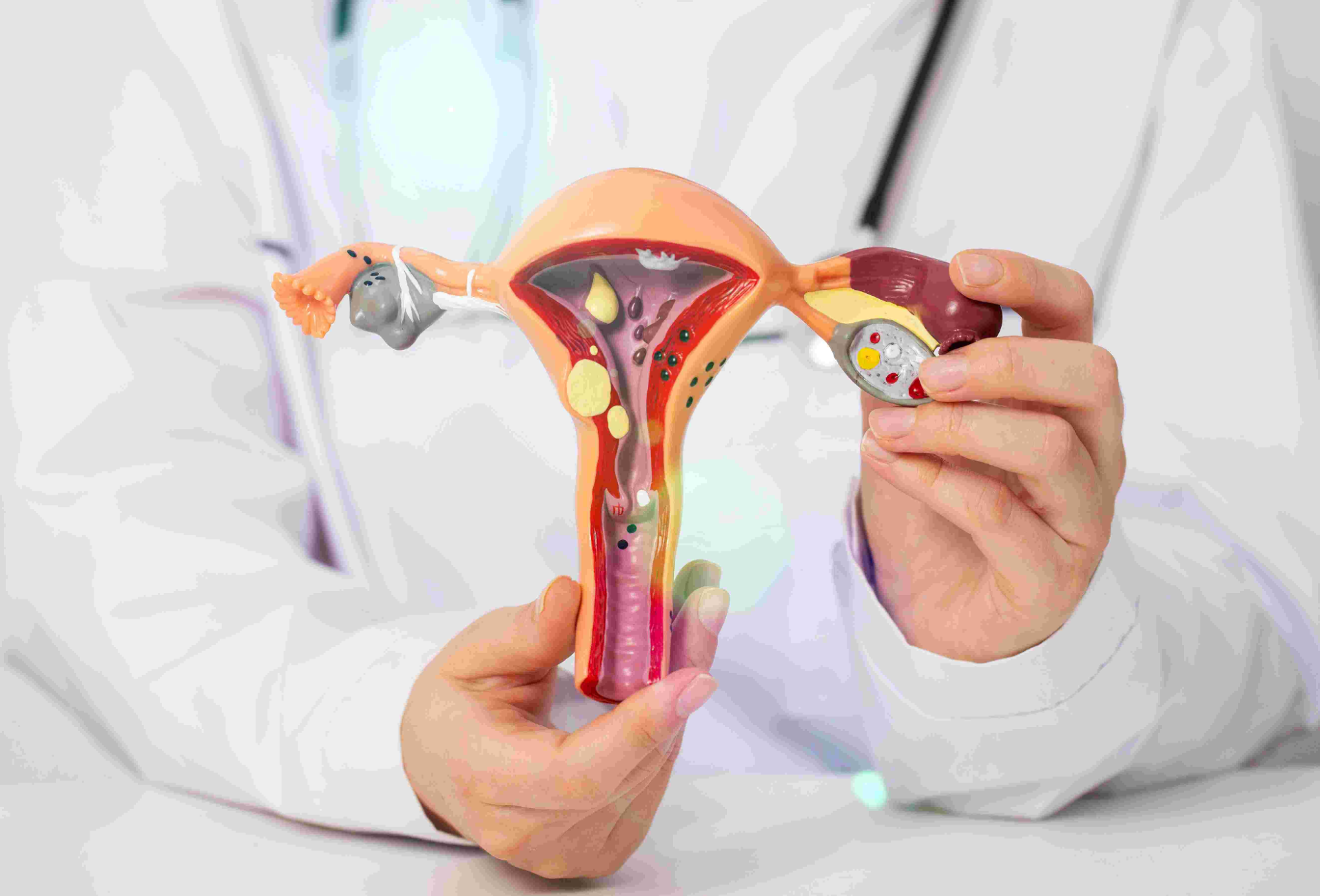
After passing through the abovementioned, you’ll need to pick what type of ovarian cyst surgery to take. Depending on your cyst’s size and nature as well as preference, you’ll either have laparoscopy, which is minimally invasive, or open cyst removal surgery which has a larger incision and is used for complex cases. Your surgeon will recommend the best option.
Finally, you’ll need to follow all pre-surgery instructions. They may include fasting for at least eight hours prior to surgery, stopping the use of blood thinners and other medication per instructions, and arranging for assistance post-surgery.
During Surgery: What Happens in the Operating Room
During surgery proper, you’ll undergo multiple stages.
To begin, you’ll be given general anesthesia, meaning you’ll be asleep during the procedure. After being knocked out, your doctor will create an incision. For laparoscopy, the surgeon makes tiny cuts and inserts a camera and tools. For open cyst removal, a larger abdominal incision is made.
The next phase of the surgery is removing the cyst. The surgeon will either drain the cyst (if it’s fluid-filled), remove the cyst (cystectomy) while preserving the ovary, or remove the entire ovary (oophorectomy) if the cyst is cancerous or damaging the ovary.
After successfully removing the present cyst(s), the final step is closing the cuts made earlier. Stitches or surgical glue will seal the cuts. Scarring depends on the type of cyst removal performed, the patient’s healing, and so on.
The whole procedure typically takes an hour or two, depending on complexity.
After Surgery: Recovery and What to Expect
Immediately after undergoing surgery, you’ll wake up in a recovery room where nurses will monitor your vital signs, manage pain with medication, and help you walk soon after to prevent blood clots (for laparoscopy).
If you’ve undergone laparoscopy, you can go home the same day per your doctor’s approval. Meanwhile, you may need to stay at the hospital for a couple of days if you’ve undergone open cyst removal.
During recovery, pain and discomfort are there. Nonetheless, they can be managed with pain medications (like ibuprofen or prescribed opioids), light movement, and rest.
When it comes to taking care of the incision, you need to keep the area clean and dry at all times, watch out for signs of infection (redness, swelling, or pus), and avoid heavy lifting for at least a month.
As a golden rule, contact your surgeon if you experience severe pain or bleeding, fever, foul-smelling discharge, and so on.
Long-Term Recovery and Returning to Normal Life
What you do after the procedure is important in ensuring surgical success. For the first two weeks of recovery, you need lots of rest but you need to stay lightly active. Next, avoid baths, swimming, or sex until cleared by your doctor. Then, you can ease back into work—desk jobs may resume in a week; physical jobs may take longer.
A month and beyond after the procedure, you’ll have fully recovered. Be sure to attend follow-up appointments to ensure proper healing. Hormonal changes (if an ovary was removed) may need monitoring moving forward.
Potential Risks and Complications
While ovarian cyst surgery is generally safe, possible risks include infection, bleeding, damage to adjacent organs, blood clots, and unsightly scar tissue formation. Your surgeon will discuss these with you beforehand.
Life after Ovarian Cyst Surgery
Most women recover well and return to normal activities. If fertility is a concern, discuss options with your doctor—many women conceive naturally even after cyst removal.
Final Thoughts: You’ve Got This
Ovarian cyst surgery might seem daunting, but knowing what to expect makes the process smoother. Follow your doctor’s advice, listen to your body, and give yourself time to heal.
If you’re scheduled for surgery, remember—you’re taking a positive step toward better health. Stay informed, stay calm, and trust that you’re in good hands.
About the Author