
Key Highlights
- Respite care offers crucial companionship and social support, significantly improving the quality of life for older adults.
- These services help reduce feelings of loneliness and isolation by fostering meaningful social interaction.
- Companionship can be provided through one-on-one visits, shared hobbies, and friendly conversation in the comfort of the home.
- Respite care also facilitates social engagement through group outings and participation in community events.
- Personalized activities are designed to match individual interests, ensuring a supportive and engaging experience.
- Ultimately, respite care services provide a vital break for family caregivers while enriching the social lives of their loved ones.
Introduction
As we age, maintaining social connections is crucial for well-being. Respite care offers more than basic support—it provides companionship and social interaction for those needing care, giving caregivers a break and bringing conversation, shared activities, and a sense of community into the home.
Understanding Companionship and Social Support in Respite Care Services
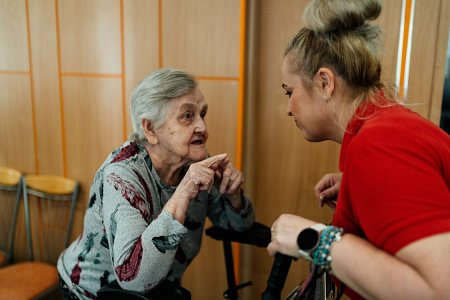
Companionship and social support in aged care mean building real human connections. Companionship offers a friendly presence and shared activities, adding joy to daily life beyond just personal care. Social support creates a network that reduces isolation and promotes mental and emotional well-being through regular interaction—especially in respite care. Together, these elements help your loved one feel seen, heard, and valued. We’ll show how both are integrated into respite care services.
The Role of Companionship in Enhancing Well-being
Companionship is essential for happiness and well-being, especially for older adults. Having someone to talk to and share experiences can turn a quiet home into a warm, lively place.
These interactions offer crucial emotional and mental stimulation. Whether playing cards, reminiscing, or sharing tea, such connections are invaluable. Companions in home care provide not only physical help but also emotional support.
Regular social interaction helps prevent loneliness and depression. Respite care services prioritize companionship, ensuring individuals receive both assistance and a fuller daily life.
How Social Support Reduces Isolation and Loneliness
Loneliness is common, but targeted social support can help. Respite services offer consistent, positive interactions that help isolated individuals connect with others.
These programs provide conversation and shared activities, breaking up the day and offering companionship. This helps people feel less alone and more engaged.
Respite care fosters community, reduces isolation, boosts mood, and supports overall health—making emotional wellbeing a priority.
What Are Respite Care Services?
Respite care services provide temporary relief for primary caregivers, offering professional support so you can rest and recharge. While you take a break, your loved one receives quality personal care at home. An aged care assessment helps determine the needed support level. Services are flexible, ranging from a few hours to extended care. Let’s explore the different forms of respite support.
Types of Respite Care Services Available in Australia
Australia offers various respite care options to meet different needs. Programs like the Commonwealth Home Support Program provide in-home care, day centers, short stays in facilities, and emergency care.
In-home respite is popular for its comfort and familiarity, with a support worker visiting at home. Day centers provide social activities in group settings. Residential respite means short-term stays in aged care facilities. Emergency respite covers urgent situations.
Quick overview:
Type of Respite Care
Description
In-Home Respite
Caregiver visits the home for hours or days.
Day Respite
Attends the center for social activities and engagement.
Residential Respite
Short-term stay (usually weeks) in an aged care facility.
Emergency Respite
Immediate care if the primary caregiver is unavailable.
Who Is Eligible for Respite Care Services?
Navigating respite care eligibility is easier than you might think. Primary caregivers for older adults or people with disabilities can typically access these services, which benefit both the caregiver and the person receiving care.
Start with an aged care assessment—an assessor will evaluate your loved one’s needs and recommend support. This step is required for government programs like the Commonwealth Home Support Programme and Home Care Package.
People with disabilities may qualify through the National Disability Insurance Scheme (NDIS). The Carer Gateway also provides information and connects caregivers to local respite services. If you need a break, you’re likely eligible for respite support.
Companionship Support Provided by Respite Care
Companionship is essential to quality respite care, creating a warm, supportive environment where your loved one feels valued. It’s about genuine connection—not just completing tasks.
In-home caregivers offer conversation, share hobbies, and provide friendly company. This focus on connection ensures your family member enjoys meaningful social interaction while you take a break. Here’s how respite care provides this vital companionship:
One-on-One Visits and Friendly Conversation
Respite care offers companionship through one-on-one visits, focused on friendly conversation and meaningful social interaction. Support workers connect personally, not just perform tasks.
Personalized care, often part of home care packages, can brighten someone’s day by reducing loneliness and keeping the mind engaged. The goal is always quality care that feels warm and personal.
Support services include simple, impactful interactions such as:
- Reminiscing over photo albums or sharing stories
- Enjoying a cup of tea and a chat
- Discussing current events or shared interests
- Providing an attentive, comforting presence
Personalized Activities for Engagement
Great respite care tailors activities to each person’s needs and interests. Care plans include favorite hobbies for a more fulfilling experience.
This personalized approach ensures support is never one-size-fits-all. Whether it’s puzzles, gardening, music, or crafts, companions lead meaningful activities to keep your loved one engaged.
Personalized engagement also supports daily routines, helping maintain normalcy and independence. Activities may include:
- Playing cards or board games
- Solving puzzles or brain games
- Gardening or pursuing other hobbies
- Reading books or newspapers together
Social Engagement Opportunities Through Respite Care Services
Respite care services enable a more active social life, offering both one-on-one and group interactions to suit individual preferences.
From day programs to community outings, these services help individuals connect with others and their community. Home care packages often include social support, allowing your loved one to meet new people and enjoy shared experiences. Next, we’ll highlight specific social opportunities available.
Group Outings and Community Events
Joining group outings and community events is a great way to build social connections and feel a sense of belonging. Many respite care providers organize trips to parks, cafes, museums, or community centers, creating opportunities to meet new people in a supportive setting.
These outings offer a welcome change of scenery and help participants engage with the broader community. They’re also a chance to revisit favorite places or explore new ones with help from care professionals. Choosing a provider that promotes community involvement can enhance your loved one’s experience.
Common activities include:
- Scenic drives and picnics at local parks
- Visits to libraries, galleries, or museums
- Community morning teas or social clubs
- Group shopping trips to local markets
In-Home Social Activities and Hobbies
Social engagement can happen at home. In-home activities and hobbies give seniors enjoyable ways to connect. Home support brings engaging experiences right to their doorstep.
Helpers can assist with hobbies, lead craft projects, or organize small group activities with visiting friends or neighbors. This flexible care ensures loved ones enjoy stimulating social time—even when caregivers take a break.
Personal care at home turns the house into a hub of activity and helps reduce loneliness. Examples include:
- Playing cards, board games, or puzzles
- Enjoying hobbies like knitting, painting, or gardening
- Baking or cooking favorite recipes together
- Listening to music or watching classic movies
How Respite Care Services Encourage Community Involvement
Respite care services promote community involvement and strengthen social connections. Beyond in-home support, they help individuals participate in social activities and maintain a sense of purpose.
Through day programs or one-on-one support at local events, respite care empowers people to stay engaged. These options foster connection, build friendships, and encourage local participation.
Facilitating Social Connections and Friendships
Respite care provides vital social support by reducing isolation and fostering new friendships among seniors. Group activities and communal events create welcoming spaces for easy socializing, boosting emotional well-being—even during short stays.
Providers promote interaction by:
- Organizing group outings
- Hosting social clubs and morning teas
- Connecting clients with shared interests
- Offering transport and support for community events
Supporting Participation in Local Groups
Staying involved in local groups and community events helps people stay connected. Respite care can provide the support needed for participation. Many want to join book clubs, gardening groups, or walking clubs, but may need help with transport or mobility.
Home support and aged care programs can add these activities to care plans. A support worker can accompany your loved one to a men’s shed, art class, or church group, helping them participate safely and confidently.
This support keeps individuals active in their community. Providers can help by:
- Finding local groups and events based on interests
- Arranging transportation
- Providing physical or social support during activities
- Encouraging confidence to try new groups and meet others
Conclusion
Respite care offers vital companionship and social support, reducing isolation and enhancing well-being. Through individual visits and group activities, it builds meaningful connections and improves the quality of life for both individuals and caregivers. Enjoy peace of mind—contact us for a free consultation to see how respite care can enrich your life or a loved one’s. Start your journey to a more connected, fulfilling experience today.
About the Author