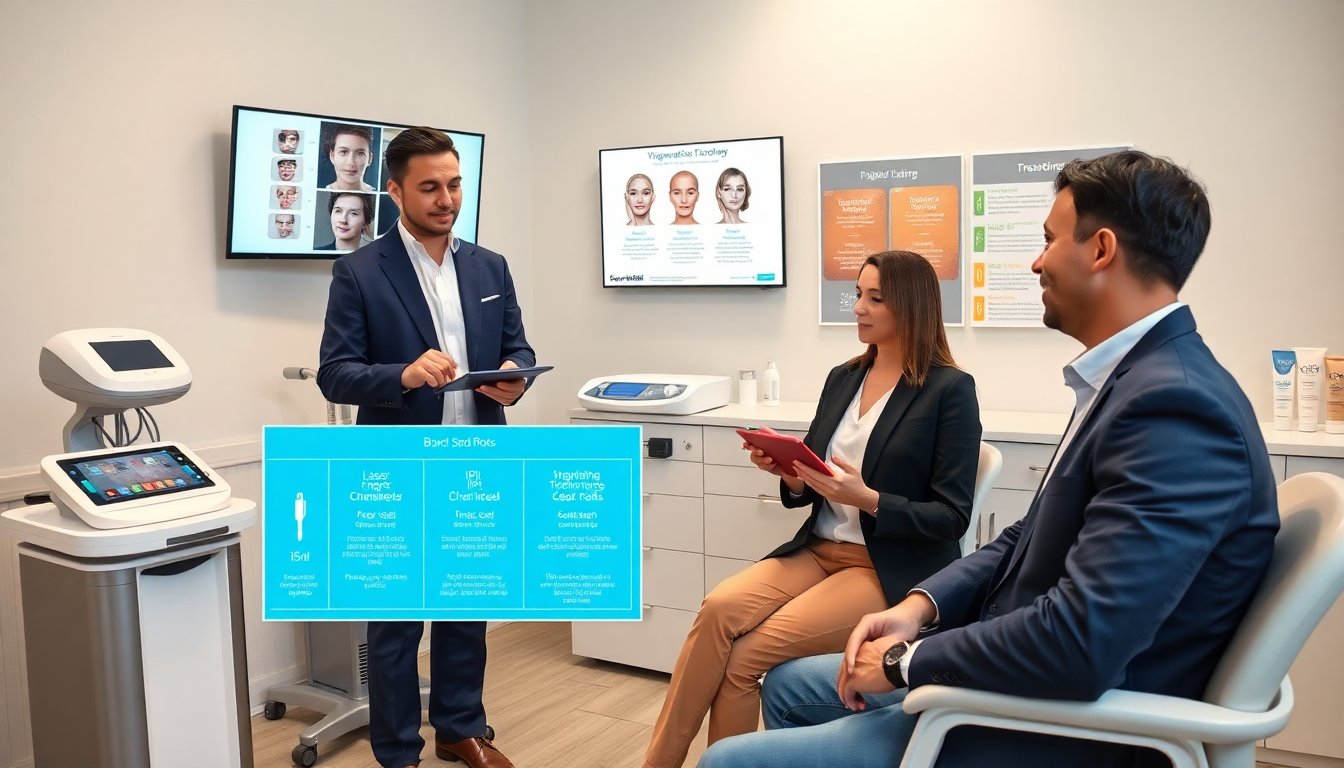
Understanding SpringHillMedGroup pigmentation technologies helps patients and clinicians plan treatments. The article states springhillmedgroup sculptra aesthetic stand dermal fillers key technologies, what each treats, and what to expect. It lists safety points, likely results, and aftercare steps. It helps clinicians choose options and helps patients set realistic goals. The text uses clear language and concrete steps for care and follow up.
Key Takeaways
- SpringHillMedGroup uses a range of pigmentation technologies including laser therapy, intense pulsed light, chemical peels, topical formulations, and microneedling to treat various pigment conditions effectively.
- Laser therapy targets melanin to break down pigment and is especially useful for lentigines, solar damage, and certain dermal pigmentation with tailored low-fluence protocols to minimize side effects.
- The clinic customizes treatment plans by skin type and pigment depth, using test spots and adjusted device settings to ensure safety and optimize results for diverse patients.
- Combining topical lighteners with device-based treatments and following a sequenced therapy approach enhances outcomes while reducing risks like over-treatment and post-inflammatory darkening.
- SpringHillMedGroup emphasizes patient education on sun avoidance, careful aftercare, and realistic expectations to maintain pigment control and support long-term improvements.
- The practice continuously documents treatment outcomes and incorporates new evidence to refine pigmentation protocols tailored to individual skin types and patient goals.
Overview Of The Pigmentation Technologies Offered At SpringHillMedGroup
SpringHillMedGroup offers laser therapy, intense pulsed light, chemical peels, topical formulations, and microneedling with adjunct devices. The clinic lists device brands and concentration ranges for peels. The team uses patient skin typing to select treatments. They test small areas before full procedures. They document baseline photos and pigment maps before care.
The practice updates device settings based on skin tone. They measure response at weekly or monthly visits. They combine topical lighteners with device treatments when needed. They offer maintenance plans for post-procedure pigment control. They track outcomes in a simple registry to guide choices.
The clinic trains staff on consent, pre-procedure instructions, and emergency steps. They require sun-avoidance education before and after procedures. They recommend patch testing for chemical peels and lasers for darker skin. The team uses repeat assessments to reduce over-treatment.
SpringHillMedGroup pigmentation technologies aim to reduce melasma, post-inflammatory hyperpigmentation, lentigines, and sun spots. The practice treats epidermal pigment and mixed pigment patterns more commonly. They report fewer sessions for superficial spots and more sessions for dermal pigment.
How Each Technology Works And Which Conditions It Treats
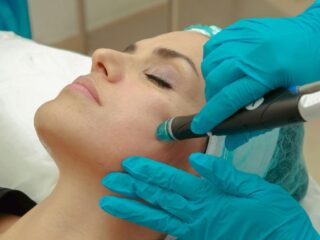
Laser therapy targets pigment with selective light absorption. The laser emits light. Melanin absorbs the light. The pigment breaks into smaller particles. The body clears the particles. Lasers treat lentigines, solar damage, and some dermal pigment. For dermal pigment, they use low-fluence, multiple-pass protocols to reduce side effects.
Intense pulsed light emits a broad spectrum. It targets red and brown chromophores. The device reduces diffuse sun damage and mixed pigmentation. It works best on lighter skin types and shallow brown spots. Clinicians adjust filters and pulse durations to match skin tone.
Chemical peels use acids to remove the epidermal layer. They remove pigmented cells and stimulate cell turnover. Superficial peels treat mild hyperpigmentation. Medium peels treat thicker epidermal pigment and some superficial dermal pigment. Clinicians choose agents and concentrations by skin type and prior response.
Topical formulations contain hydroquinone, retinoids, azelaic acid, and brightening peptides. These agents reduce melanin production and speed epidermal turnover. They work best as maintenance or first-line therapy for melasma and post-inflammatory hyperpigmentation.
Microneedling creates microchannels to trigger repair and increase topical uptake. It reduces texture and allows depigmenting agents to penetrate. Clinicians combine microneedling with low-energy devices for mixed pigment and scars.
Clinicians combine methods to improve outcomes. They sequence therapy to lower risk. For example, they start topical lighteners before device work. They allow healing between treatments. They avoid aggressive laser settings right after medium peels.
The clinic monitors response with photos and objective scales. They record Fitzpatrick type, affected area size, and prior treatments. They adjust plans based on response and side effects. This approach helps predict the number of sessions and likely downtime.
Safety, Results Expectations, Aftercare, And Choosing The Right Option
SpringHillMedGroup follows safety steps for all pigmentation technologies. They screen for photosensitive medications and active infections. They obtain informed consent and discuss realistic results. They explain risks such as redness, swelling, transient darkening, and rare scarring.
Clinicians set results expectations by skin type and diagnosis. They tell patients that epidermal pigment often clears faster than dermal pigment. They state that melasma may require ongoing maintenance. They report typical session counts and intervals for each condition. They provide time frames for visible change and for full clearance assessment.
Aftercare instructions focus on sun protection, gentle cleansing, and prescribed topicals. The team recommends broad-spectrum sunscreen with high UVA and UVB protection daily. They advise against abrasive scrubs and unapproved home devices during healing. They schedule follow up to treat side effects early.
Clinicians use test spots to gauge risk in darker skin. They lower energy and increase session count when risk is higher. They pause treatments if post-inflammatory darkening appears. They resume with milder settings or switch to topical plans.
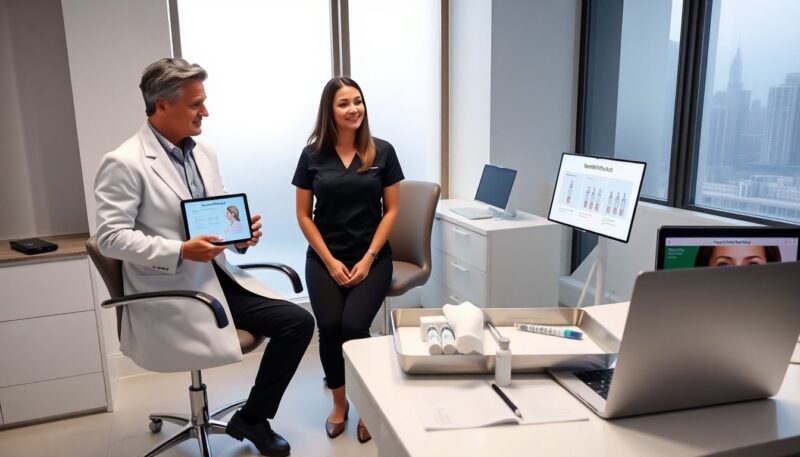
Patients choose the right option with clinician guidance. The team compares noninvasive options first. They weigh downtime, cost, and expected improvement. They offer combined plans for faster or stronger results.
The practice also reviews cosmetic trends that patients may ask about. For example, some celebrity facials use unusual ingredients and they can affect pigment. SpringHillMedGroup warns patients about unverified treatments and offers safer medical alternatives, while clinicians stay aware of public treatments such as the noted fish DNA facial reported in popular media with limited evidence fish DNA facial.
Clinicians document outcomes and refine protocols as new evidence appears. They aim to match treatment choice to the patient’s skin type and life needs.
About the Author