Labels often go unnoticed until they start peeling. Wisdom teeth work the same way. They stay quiet for years, then small issues begin to surface.
Many people only think of pain or swelling, yet the real problems with wisdom teeth often hide in plain sight. Some show up in ways that feel unrelated at first.
Read on to uncover the less obvious troubles tied to wisdom teeth and how to handle them before they grow worse.
Hidden Gum Pockets
Partially erupted wisdom teeth often leave a flap of gum behind. Food particles slip under it, and bacteria settle in quickly. The area smells unpleasant and may bleed during brushing. It rarely causes sharp pain, which makes it easy to ignore.
Infections here tend to return repeatedly. Many patients treat the symptoms but miss the cause. Among common problems with wisdom teeth, this one lingers the longest without warning.
- Use a small, angled brush to reach the back area.
- Rinse with an antibacterial mouthwash after meals.
- Ask a dentist about removing excess gum tissue if needed.
A water flosser can help dislodge particles that stay trapped under the gum flap. Consistent care matters here since the area tends to collect debris faster than other teeth.
Limited space forces a wisdom tooth to grow in crooked or stay trapped entirely. Repeated gum infections and trapped debris make wisdom teeth removal the only lasting solution. Dentists may suggest removal to reduce infection risk and prevent damage to nearby teeth crowded by limited space.
Sinus Pressure Effects
Upper wisdom teeth, also called third molars, sit close to the sinus cavity. Pressure builds without warning and feels like a mild sinus infection. Some people report dull headaches or a blocked nose that never fully clears.
Doctors often treat the sinuses first, delaying the right diagnosis. Sometimes, problems with wisdom teeth explain symptoms that don’t respond to usual care.
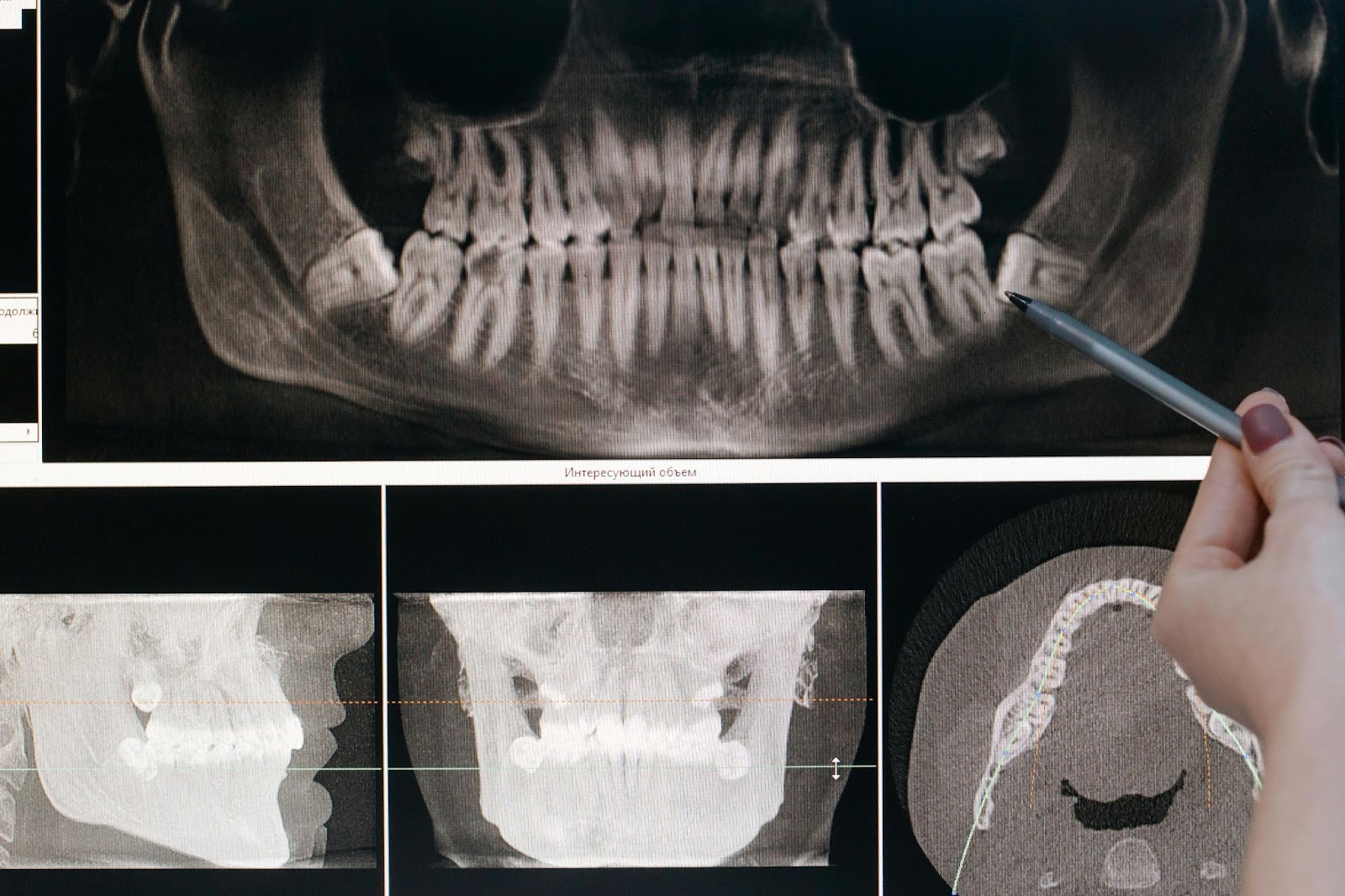
A dental X-ray usually reveals the cause. Once confirmed, removing the tooth often relieves the pressure. Mild cases may only need monitoring if symptoms stay manageable.
Bite Alignment Changes
Teeth shift, even in adulthood. Wisdom teeth can push against nearby teeth and disrupt alignment. The change feels small at first, yet chewing begins to feel uneven.
The jaw compensates without notice. That strain can lead to worn enamel or minor discomfort while eating. Some problems with a wisdom tooth start as a slight shift and grow into bite issues later.
Dentists check bite patterns during routine visits. Regular dental visits allow early changes to be caught and managed with retainers or small adjustments. Delayed care may require more involved correction.
Nerve Sensitivity Issues
Lower wisdom teeth sit close to important nerves. Pressure in that area can trigger tingling or brief numbness in the lips or chin. The feeling may come and go, which confuses many patients.
Nerve-related problems with a wisdom tooth often begin quietly. A slight tingling or numb feeling may come and go without much concern. Leaving it unchecked can lead to longer-lasting discomfort that becomes harder to ignore.
Imaging gives a clearer picture of where the tooth sits. From there, a dentist may suggest monitoring or removal based on the risk involved. A skilled oral surgeon can handle the procedure with care to limit nerve complications.
Jaw Stiffness Problems

Jaw stiffness may be blamed on stress or grinding habits. Still, a wisdom tooth can add to the tension without drawing much attention. An impacted tooth places pressure that can interfere with normal jaw movement.
Opening the mouth wide may start to feel tight or restricted. Chewing tougher foods can become more of a chore than usual. Among problems with wisdom teeth, this one often slips into daily routine without much notice.
Here are some steps to relieve jaw stiffness:
- Apply warm compresses to relax the jaw.
- Practice slow opening and closing exercises.
- Seek dental advice if stiffness does not improve.
Pay attention to habits like chewing on one side or clenching during stress. Small adjustments in daily routine often ease the strain without much effort.
Chronic Bad Breath
Bad breath sometimes lingers despite good hygiene. A wisdom tooth can trap debris in areas that regular brushing cannot reach. The smell often returns soon after cleaning.
Many feel frustrated when mouthwash fails to help. In such cases, problems with wisdom teeth may sit at the root of the issue. Neglecting oral hygiene in the back of the mouth allows the source to go undetected.
Specialized cleaning tools can reach areas that regular brushing misses. A professional cleaning helps remove buildup tucked deep in the back. If the problem keeps returning, removal may be a better solution.
Cyst Formation Risks
Impacted wisdom teeth sometimes develop fluid-filled sacs. Silent tooth decay hides easily in these hard-to-reach spots. These cysts grow quietly and rarely cause early discomfort. Damage to nearby bone may occur before detection.
Routine imaging can reveal issues long before symptoms appear. Without it, changes may go unnoticed for years. Many people don’t realize this risk connects directly to problems with wisdom teeth.
Treatment usually involves removing both the tooth and the cyst. Dentists monitor healing afterward to prevent further complications. Early care keeps the procedure straightforward.
Delayed Healing Concerns
Some people notice slow recovery after minor gum irritation near wisdom teeth. Inflammation along the gum line can keep the area tender longer than expected. Small wounds reopen during eating or brushing.
Repeated irritation makes healing difficult. Delayed recovery quietly disrupts daily comfort before most people notice.
Gentle care helps the area recover without added irritation. Softer foods ease pressure while the gums settle. Any spot that lingers or worsens should be checked by a dentist without delay.
Conclusion
Wisdom teeth rarely announce trouble in obvious ways. Subtle changes often carry more meaning than sharp pain. Staying on top of dental care and paying attention to small signs prevents larger issues later. A timely checkup often solves what feels confusing at first. A timely checkup often solves what feels confusing at first.
About the Author