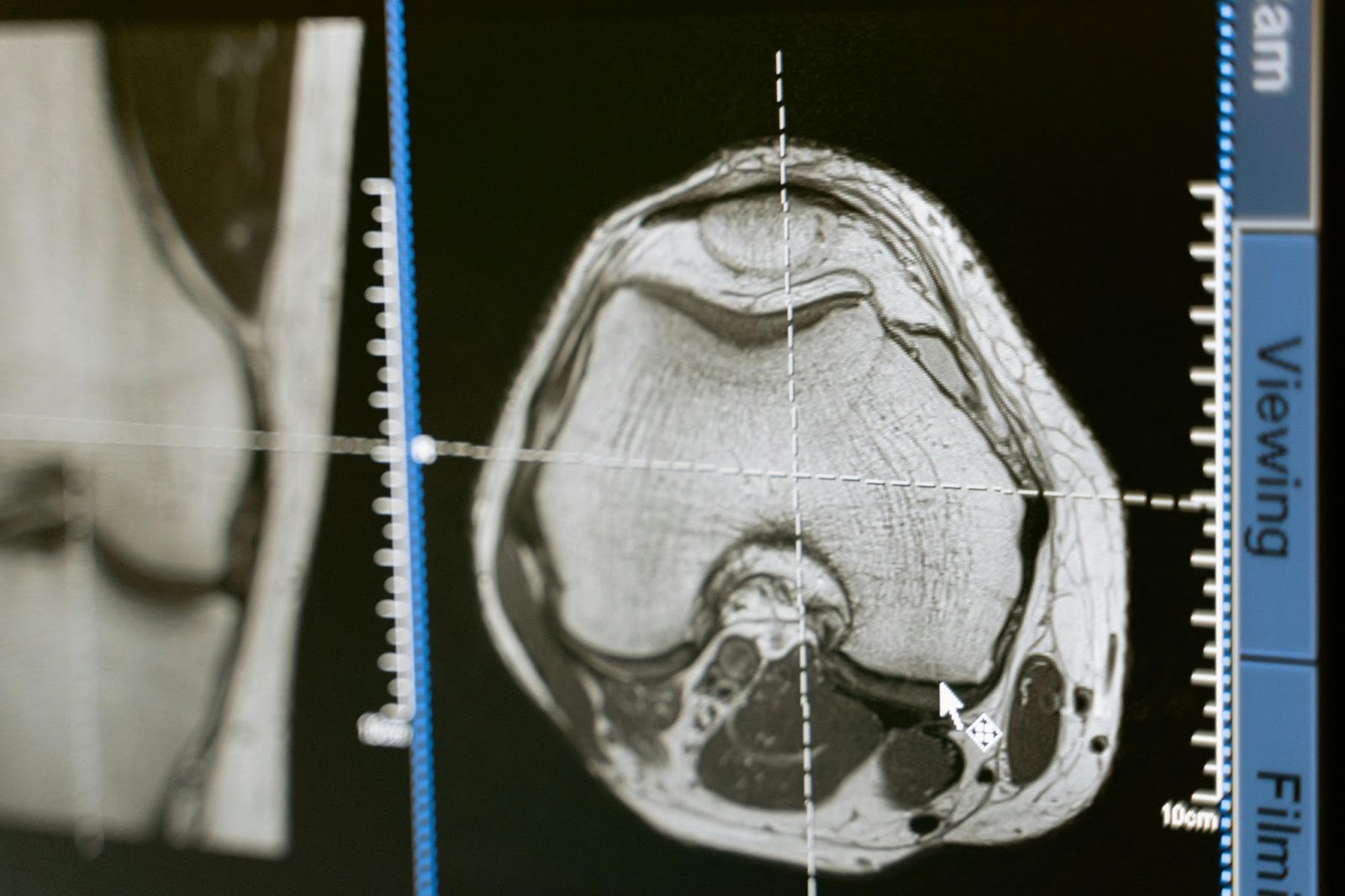
Advanced medical imaging plays a key role in modern healthcare by helping diagnose patients, plan treatments, and monitor progress. As technology evolves, the demand for skilled professionals like MRI, CT, and PET technologists continues to grow.
Silvelop (2014) points out that entering the field of advanced medical imaging requires more than education and qualifications. It also requires professional skills, a focus on patient care, and the ability to adapt to new technology. Besides traditional hospital or clinic jobs, professionals can explore flexible and travel assignments. For example, travel MRI tech jobs let technologists gain experience at different facilities, build skills, and enjoy a more flexible work-life balance.
Understanding Advanced Medical Imaging
Advanced medical imaging uses different technologies to help healthcare professionals diagnose, monitor, and treat diseases. Common types include MRI, CT, PET, and ultrasound. Each offers unique views of the body.
Role of Imaging Technologists in Patient Care and Diagnosis
Imaging technologists operate complex equipment, prepare patients, follow safety guidelines, and produce high-quality images for accurate diagnosis. They also work closely with radiologists and other healthcare professionals to support patient care and treatment plans.
Differences Between Modalities and Specialization Options
Each imaging method requires specific training and skills. MRI is best for detailed images of soft tissues, CT provides cross-sectional views, and PET shows metabolic or functional activity. Professionals can cross-train in multiple areas to become more versatile and access more career opportunities.
Educational and Certification Requirements
A career in advanced medical imaging requires a solid education, specialized training, and professional certification to show competence and ensure patient safety.
Degree or Certification Requirements for MRI, CT, and PET
Most imaging technologists start with an accredited associate or bachelor’s degree in radiologic technology or a related subject. MRI, CT, or PET training programs offer practical experience with equipment, imaging protocols, and safety procedures. Certification by a recognized authority, such as the American Registry of Radiologic Technologists (ARRT), may be needed for a given modality.
Licensure Requirements by State or Country
Licensing requirements vary by state or country. Many states require technologists to pass a certification exam and a licensure exam to legally work. Technologists should stay informed about local regulations, especially if they work in different facilities or take travel assignments.
Continuing Education and Professional Development
Advanced medical imaging is a rapidly changing field. Technologists need to keep learning throughout their careers to stay current with new technologies, safety standards, and best practices. Ongoing professional development improves skills, expands career options, and may be required to maintain certification or licensure.
Daily Responsibilities and Skills Needed
Advanced medical imaging technologists use technical, clinical, and interpersonal skills to provide high-quality patient care and accurate diagnostic results.
Operating Imaging Equipment and Performing Scans
Technologists are responsible for setting up, calibrating, and operating imaging machines such as MRI, CT, or PET scanners. They follow standard procedures to ensure scans are accurate and useful for diagnosis.
Patient Preparation and Safety Protocols
Preparing patients involves explaining the procedure, reassuring them, and making sure they are comfortable. Technologists also follow strict safety protocols to protect patients and themselves from unnecessary radiation and other risks.
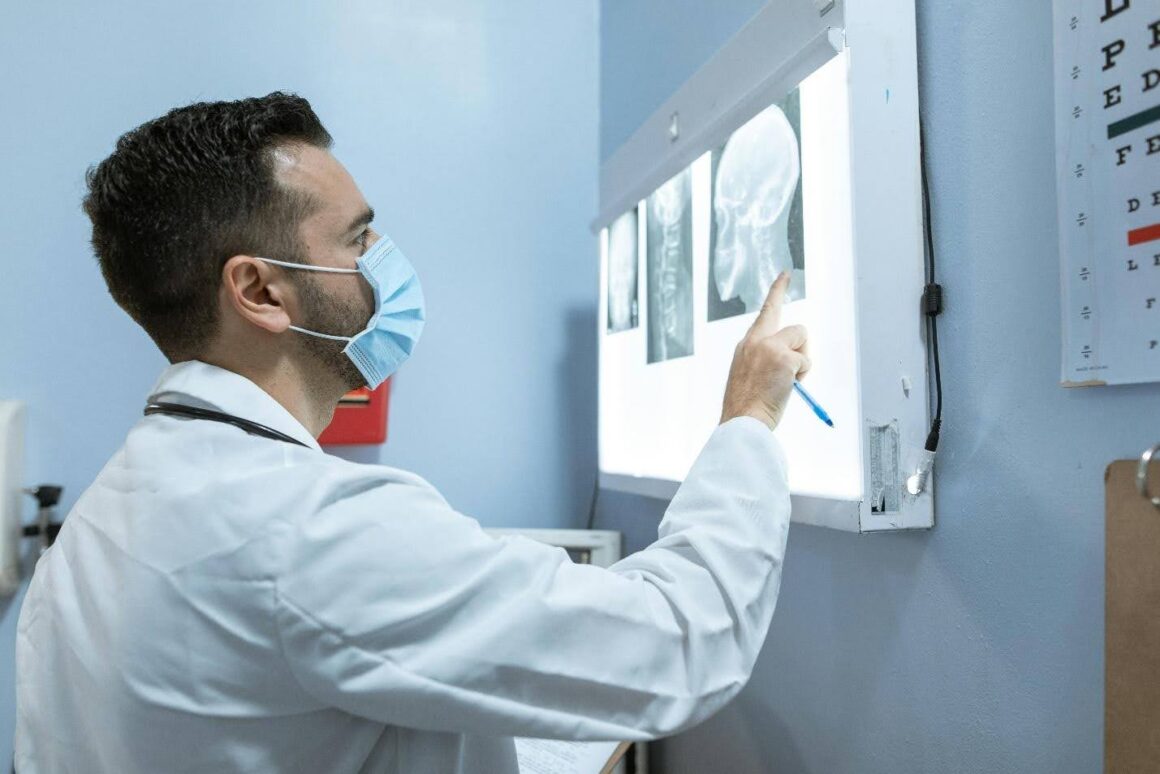
Image Analysis Basics and Collaboration with Radiologists
Technologists do not diagnose patients, but they review images to ensure they are clear and accurate. They work closely with radiologists to support correct interpretation. Good communication with healthcare teams and patients is important.
Technical and Soft Skills Required
In addition to technical skills, imaging technologists need strong attention to detail, problem-solving abilities, and good people skills. Empathy, clear communication, and adaptability are also important for working with patients and healthcare teams.
Conclusion
Studying advanced medical imaging offers opportunities to build skills, specialize, and grow your career. By understanding the education, daily responsibilities, and certification requirements, future technologists can make informed career choices. Travel and flexible jobs, such as travel MRI tech positions, also provide valuable experience in various healthcare settings and help balance work and life.
About the Author