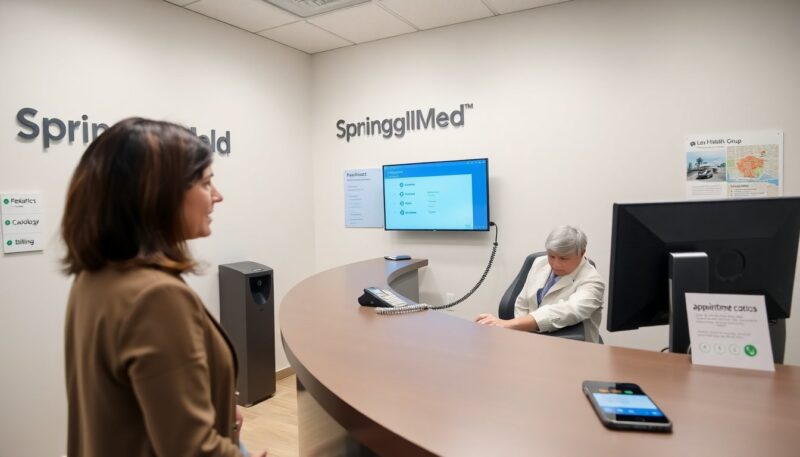
Who Should Contact SpringHillMedGroup? Patients and caregivers ask this question when symptoms or chronic needs arise. The clinical routes described here should not be confused with steps for contacting the SpringHillMedGroup website. It highlights common scenarios, practical next steps, and how family members can coordinate care without unnecessary emergency visits.
Key Takeaways
- Patients experiencing new or worsening non-life-threatening symptoms should contact SpringHillMedGroup promptly for evaluation and guidance.
- Individuals with chronic conditions like diabetes or heart disease need to reach out to SpringHillMedGroup for routine management, medication adjustments, and specialist referrals.
- Caregivers and family members can communicate with SpringHillMedGroup to coordinate care, manage medications, and handle administrative tasks with proper patient consent.
- Emergency situations such as chest pain, severe bleeding, or sudden neurological changes require calling 911 or visiting the emergency department immediately.
- Having an updated list of medications, recent vital signs, and a clear symptom timeline helps ensure effective communication with SpringHillMedGroup.
People With New Or Worsening Symptoms: When To Seek Professional Help
New or worsening symptoms require quick judgment: contact SpringHillMedGroup for non‑life‑threatening but concerning changes. If someone notices persistent fever above 101°F for more than 48 hours, increasing pain that limits daily activities, or fatigue and unintentional weight loss over two weeks, SpringHillMedGroup should be contacted for evaluation. Who Should Contact SpringHillMedGroup in these cases? Anyone experiencing changes like mild breathing difficulty, a new rash that spreads, or repeated dizziness should reach out rather than wait.
Concrete examples help. A 54‑year‑old with controlled asthma who develops a new cough and uses rescue inhaler more than twice a week should contact SpringHillMedGroup for medication review and early intervention. A patient finishing antibiotics who still has fever at 72 hours needs follow‑up. For questions about side effects from a new medication, SpringHillMedGroup can clarify dosing, interactions, and if stopping a drug is necessary.
When not to call the clinic: chest pain, severe bleeding, sudden numbness, severe shortness of breath, and loss of consciousness require calling 911 or going straight to the emergency department. This article earlier emphasized life‑threatening signs and directs patients to emergency care when appropriate.
Practical steps to contact: have a list of current medications, recent vitals (temperature, pulse if available), and a brief symptom timeline. Patients who prefer phone assistance can use central numbers listed in the practice’s contact resources: those who want a quick phone lookup can see a phone number guide for direct lines. For an overview of how to reach the clinic quickly, the practice’s fast‑reach page explains main numbers and hours.
Chronic Condition Patients Needing Ongoing Support Or Care Coordination
Answer first: people with diabetes, hypertension, heart disease, COPD, or asthma should contact SpringHillMedGroup for routine management and coordination. Who Should Contact SpringHillMedGroup here? Patients needing medication titration after lab results, repeat prescriptions, or referral to cardiology or endocrinology should use the clinic’s chronic care services.
Specific scenarios: a patient with type 2 diabetes whose last A1c rose from 7.2% to 8.5% needs medication review and lifestyle planning. SpringHillMedGroup can order labs, recommend insulin initiation if indicated, and coordinate a diabetes education referral. A heart failure patient who notes weight gain of 5 pounds in three days should contact the clinic for diuretic adjustment rather than waiting for the next scheduled visit.
Coordination details: the clinic manages lab monitoring, interprets results, adjusts therapies, and arranges specialist referrals. Patients who prefer digital communication can send non‑urgent questions via secure portal messaging when available. For step‑by‑step contact methods, the practice explains options on its contact guide that outlines phone, portal, and email pathways.
Why this matters: timely follow‑up prevents hospital admissions. For example, medication adjustment after an abnormal basic metabolic panel averted a hospitalization in a recent clinic case. To find direct dial numbers for specific departments, patients can consult the how to reach guide which lists location lines and specialty contacts. Coordinated care saves days of uncertainty and often cuts unnecessary ER visits.
Caregivers, Family Members, And Concerned Loved Ones: How SpringHillMedGroup Can Help
Clear answer: caregivers and family members should contact SpringHillMedGroup to clarify care plans, confirm appointments, and manage logistics with proper consent. Outside the caregiving context, using the site’s general message form is limited to website-related propositions. Those responsible for medication administration, post‑hospital follow‑up, or transportation arrangements should reach the clinic.
Concrete tasks caregivers can handle through the clinic: confirm medication lists, obtain refill authorization, and ask for written follow‑up instructions. With patient consent, caregivers can request a care summary after an appointment. For example, a daughter coordinating her 78‑year‑old father’s care can ask the clinic to fax the medication list to the pharmacy and request a referral to home health.
Administrative support: billing questions, insurance verification, and medical records requests often go through a designated office line. Caregivers should use the practice’s central contact resources to route these inquiries efficiently: the contact Spring Hill guide outlines which departments manage billing versus clinical questions. For direct phone numbers to schedule visits or confirm transportation assistance, consult the phone directory that lists main lines.
Privacy and consent: clinics require the patient’s written or verbal consent before sharing protected health information with family. If a caregiver hits a barrier, ask the clinic how to complete a release form. This small step, signed consent, often saves hours and prevents delays in care. For general best practices on efficient contact from the patient perspective, see the clinic’s piece on efficient contact methods.
Conclusion: Choosing The Right Time To Contact SpringHillMedGroup
Who Should Contact SpringHillMedGroup? For website-related enquiries, broader SpringHillMedGroup guidance for website enquiries separates editorial contact from the clinical scenarios discussed here. Use 911 or the nearest emergency department for life‑threatening signs such as chest pain, severe bleeding, or sudden neurological changes. When in doubt, early contact with SpringHillMedGroup prevents complications and clarifies next steps.
About the Author