Most people visit a doctor only when something feels wrong. It’s a natural reaction, but waiting for symptoms can mean catching a problem later than ideal. A regular health assessment helps identify silent risks before they develop into major issues. By reviewing your body’s key systems, be it from heart and blood to lifestyle habits, these assessments make it possible to detect diseases early, when treatment is simpler and outcomes are often better.
Health assessments are not limited to people with existing conditions. They are preventive, meaning they focus on staying well rather than only treating illness. When done consistently, they give a good view of your overall health and help you take action at the right time.
Understanding What a Health Assessment Involves
A typical health assessment includes several parts: a review of your medical history, physical checks, and laboratory tests. It might cover cholesterol, blood sugar, blood pressure, heart rhythm, and even body composition. Depending on your age, gender, and family background, your doctor might recommend further screenings, such as thyroid tests or cancer checks.
Unlike a short visit for a single symptom, a health assessment is comprehensive. It’s designed to build a structural image of your body’s performance and to find early warning signs that you may not notice on your own. This early insight allows healthcare providers to guide you toward lifestyle changes or treatments before things worsen.
Why Early Detection Makes a Difference

Many illnesses grow quietly for months or even years before showing any symptoms. Conditions like diabetes, high blood pressure, or certain cancers can go unnoticed until they reach an advanced stage. By then, treatment may be more complicated, and recovery slower.
Early detection gives you time. When a condition is found early, it can often be managed with smaller interventions such as dietary changes or mild medication. Research consistently shows that prevention and early action save both lives and costs. Data from the Office for National Statistics: health trends shows that timely screening and monitoring improve long-term survival rates across several major diseases.
Common Assessments That Detect Early Health Risks
Health assessments can cover a wide range of tests, each focusing on detecting potential issues at their earliest stage. Some of the most valuable include:
- Cardiovascular checks: Blood pressure readings, ECGs, and cholesterol panels can reveal risks of heart disease long before any chest pain or shortness of breath occurs.
- Metabolic health tests: Blood sugar levels, thyroid function, and liver panels identify conditions such as diabetes, thyroid imbalance, and fatty liver early on.
- Cancer screenings: Depending on age and risk, this may include mammograms, Pap smears, prostate exams, or colon checks. Early detection in these areas often means treatment can be simpler and more effective.
- Bone and joint evaluations: For older adults, bone density scans can help detect osteoporosis before fractures happen.
- Lifestyle and mental health reviews: Sleep, diet, and stress levels are reviewed, since poor habits often play a role in physical illness.
Together, these checks give a well-rounded view of your current and future health. The goal is not to overwhelm you with numbers, but to use the results to build a plan that fits your needs.
How Health Assessments Support Prevention Plans
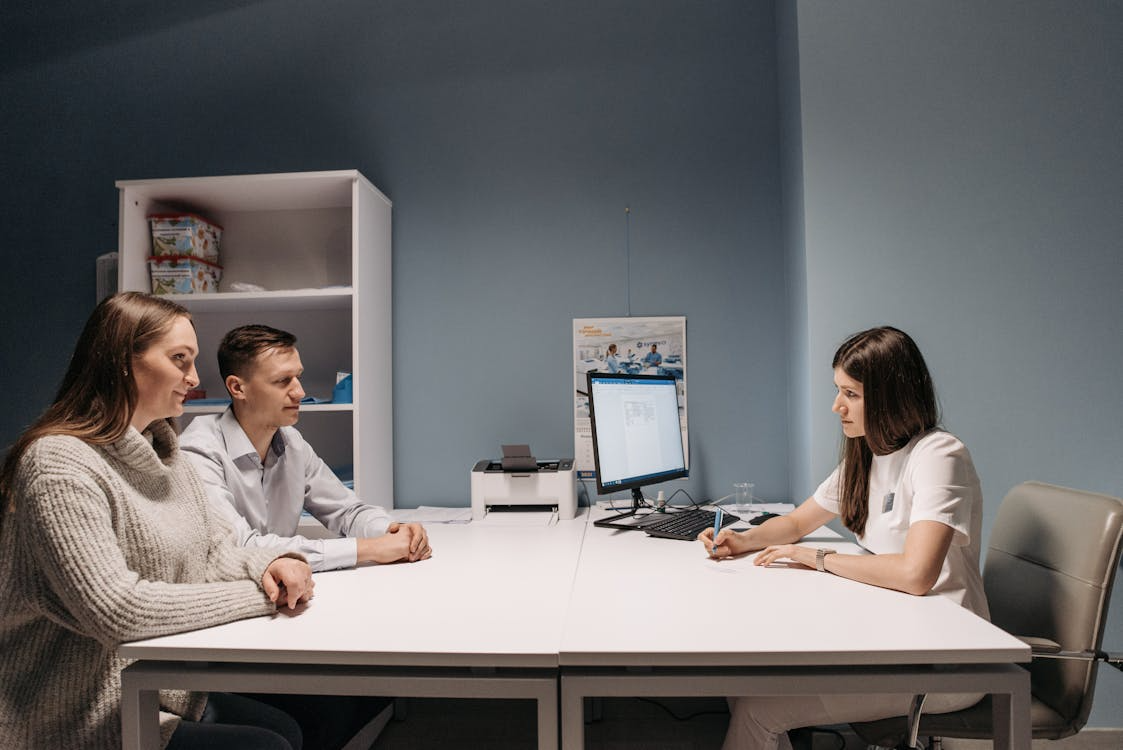
Once results are reviewed, healthcare professionals create a practical plan based on your findings. This might include changes to daily habits, recommendations for physical activity, dietary improvements, or medication where needed. Tracking progress over time helps to measure whether those changes are working.
For example, if your cholesterol is high, you might be advised to make specific adjustments to diet and exercise, with follow-up tests in six months. If blood sugar is borderline, early guidance can help prevent full diabetes. These small steps are the foundation for preventing and catching risks before they become chronic conditions.
Public Health Support for Preventive Screening
In the UK, preventive screening is encouraged at the national level through initiatives such as the NHS health check programme. This programme offers free health checks to adults aged 40–74 and is aimed at spotting the early signs of heart disease, stroke, diabetes, and kidney problems. It’s one of the key public health efforts to shift from treatment toward prevention, and it highlights how small health checks can make a big impact.
Data from public records continues to show that these checks improve awareness and encourage earlier action. By normalising routine assessments, healthcare systems are helping people recognise that prevention is an active, ongoing process, not a one-off event.
The Role of Healthcare Providers Like Vista Health
Private healthcare providers also support early detection by offering custom screening packages for individuals who want faster or more specific checks. For example, Vista Health provides a range of assessments, including advanced scans and diagnostic tests, that complement routine care. These options can help people gain deeper insight into their health status and make more informed decisions about lifestyle and medical care. Importantly, private assessments do not replace NHS services; they expand access and flexibility for those who want to be proactive.
Common Reasons People Avoid Health Assessments

Despite the clear benefits, many people delay or skip health assessments entirely. Common reasons include cost worries, time constraints, or fear of what results might reveal. Others believe they are “healthy enough” because they feel fine. The truth is, by the time symptoms appear, an issue may already be advanced.
A more balanced approach is to view assessments as maintenance rather than a sign of illness, as you would service a car before it breaks down. It’s about prevention, not panic.
Final Thoughts
Early disease detection is one of the strongest defences against long-term illness. Regular health assessments give you information that can save time, money, and in many cases, your health. They help spot risks before symptoms surface, giving you control and choice over your wellbeing.
If you haven’t had a check-up in a while, consider booking one soon. Whether through your local GP, the NHS, or a private clinic, every small step toward awareness counts. Good health rarely happens by accident. It’s something we build through care, attention, and early action.
About the Author