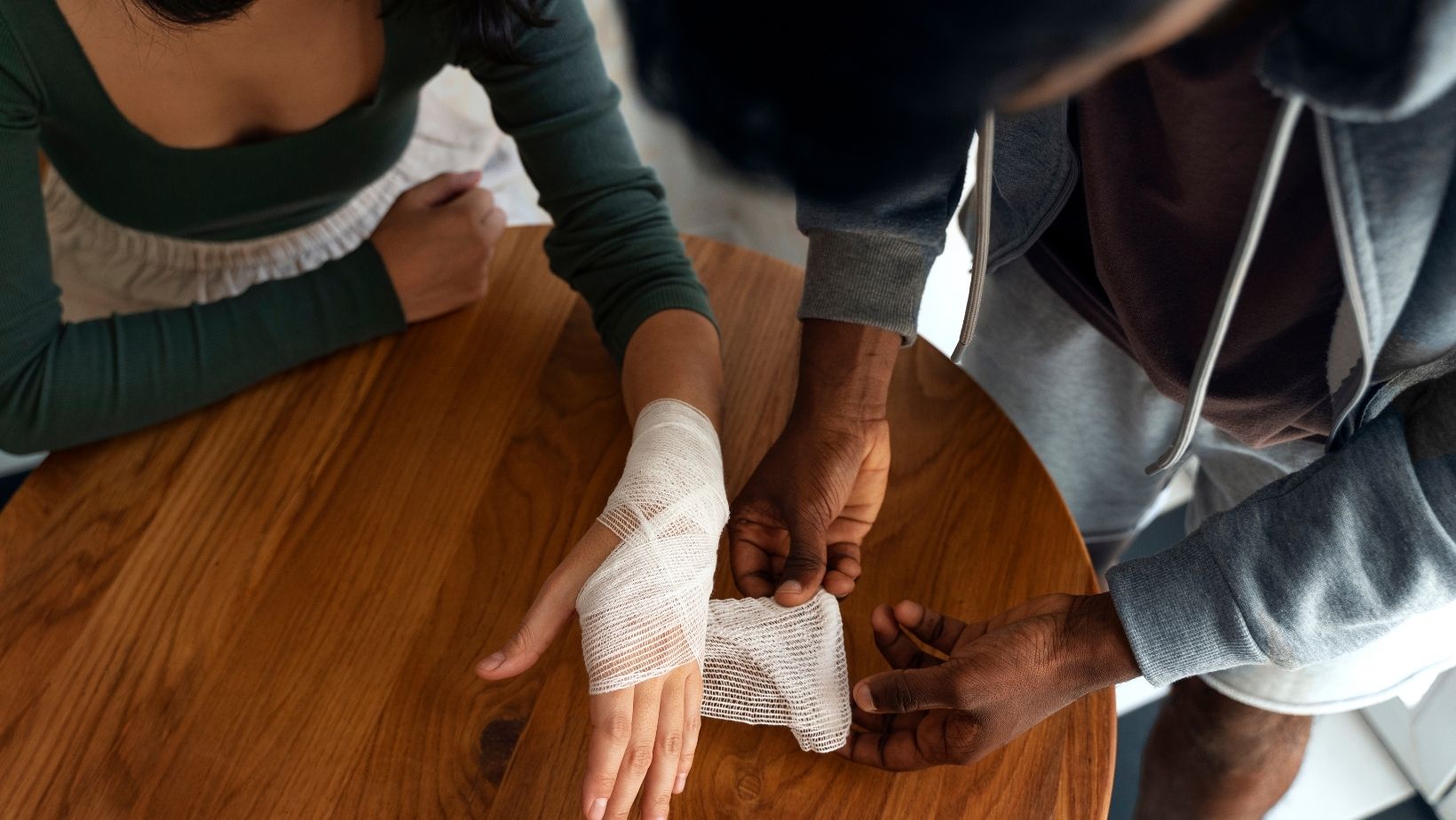
Home is supposed to be the safest place you know. Yet, surprisingly, a large number of everyday injuries happen right where people feel most comfortable. Slips, falls, cuts, and strains often don’t come from extreme situations, but from routine activities done without much thought.
The good news is that most household injuries are preventable once you understand where the risks usually come from and how to reduce them.
Here’s a clear, practical look at the most common causes of household injuries and what you can realistically do to avoid them.
Slips and Falls
Slips and falls are the leading cause of home-related injuries, especially among older adults, but also children and working-age adults. Wet bathroom floors, loose rugs, cluttered hallways, and poorly lit staircases are frequent culprits.
Prevention starts with small adjustments. Use non-slip mats in bathrooms and kitchens, secure loose rugs with anti-slip pads, and keep walkways free of clutter.
Proper lighting is also critical, especially near stairs and entrances. Handrails should be sturdy, and stairs should be kept clear at all times. These simple steps significantly lower the risk of serious falls.
Falls from Heights and DIY Accidents
Ladders, stools, and makeshift platforms are another common source of injury, especially during cleaning, decorating, or home improvement projects.
Many accidents happen when people use furniture instead of proper equipment or rush a task without a stable footing. If you’re doing any work above ground level, use equipment designed for the job. For larger projects, stable access solutions matter.
Whether it’s ladders or temporary structures, choosing proper gear or choosing to buy scaffolding online for larger tasks can make a major difference in safety. Never overreach, and always ensure equipment is set on level ground.
Cuts and Kitchen Injuries
Kitchens are one of the most injury-prone areas in the home. Sharp knives, broken glass, hot surfaces, and hurried meal preparations lead to frequent cuts and burns.

Good habits go a long way here. Keep knives sharp, store them properly, and use cutting boards with non-slip bases. Pay attention when handling hot pans and boiling liquids, and avoid distractions like phones when cooking.
Teaching children basic kitchen safety early also reduces long-term risk.
Electrical Hazards
Electrical injuries are less common but can be severe. Frayed cords, overloaded power outlets, and faulty appliances increase the risk of shocks and fires.
Prevention involves regular inspection. Replace damaged cords, avoid running cables under rugs, and don’t overload power boards. If something sparks, smells odd, or trips breakers repeatedly, it’s a sign to stop using it and get it checked.
For households with children, outlet covers add an extra layer of protection.
Strains from Lifting and Repetitive Tasks
Not all household injuries are sudden. Back pain, joint strain, and muscle injuries often build up from improper lifting or repetitive chores like gardening, cleaning, or moving furniture.
Lifting safely is essential. Bend your knees, keep loads close to your body, and avoid twisting while carrying weight. If something feels too heavy, it probably is; ask for help or use tools designed to reduce strain.
For ongoing tasks, pacing yourself and using ergonomic tools can prevent long-term injuries.
About the Author