Wrinkles gradually form due to repeated facial movements and the natural aging process. Over time, the skin loses its elasticity, and collagen production decreases. As a consequence, dynamic wrinkles such as frown lines and crow’s feet become increasingly apparent.
Botox for wrinkles is a widely used non-surgical cosmetic procedure that temporarily reduces the appearance of wrinkles. It works by relaxing the facial muscles that contribute to the formation of lines. This treatment is effective for addressing frown lines, crow’s feet, and forehead wrinkles, offering noticeable results with minimal recovery time. When performed by a qualified healthcare professional, Botox is considered both safe and highly effective in reducing the visible signs of aging.
Treating Facial Wrinkles
It is common to notice the initial signs of aging, such as fine lines around the eyes or vertical lines between the eyebrows, when observing oneself in different lighting conditions. These changes are a natural part of the aging process. One effective approach to addressing these concerns is to reduce the activity of specific facial muscles temporarily. By blocking muscle contractions in targeted areas, the overlying skin becomes smoother. This method is applied both to diminish existing lines—referred to as corrective botulinum toxin treatment—and as a preventative measure. Preventive treatments are particularly beneficial for individuals in their late twenties or early thirties who wish to slow the progression of deeper lines over time.
For further information about the cosmetic treatments available, including BOTOX Cosmetic and Nuceiva, or to schedule a personal consultation, please visit https://vivemedspa.ca/botox-cosmetic-nuceiva/.
Preparing for Botox: What to Expect
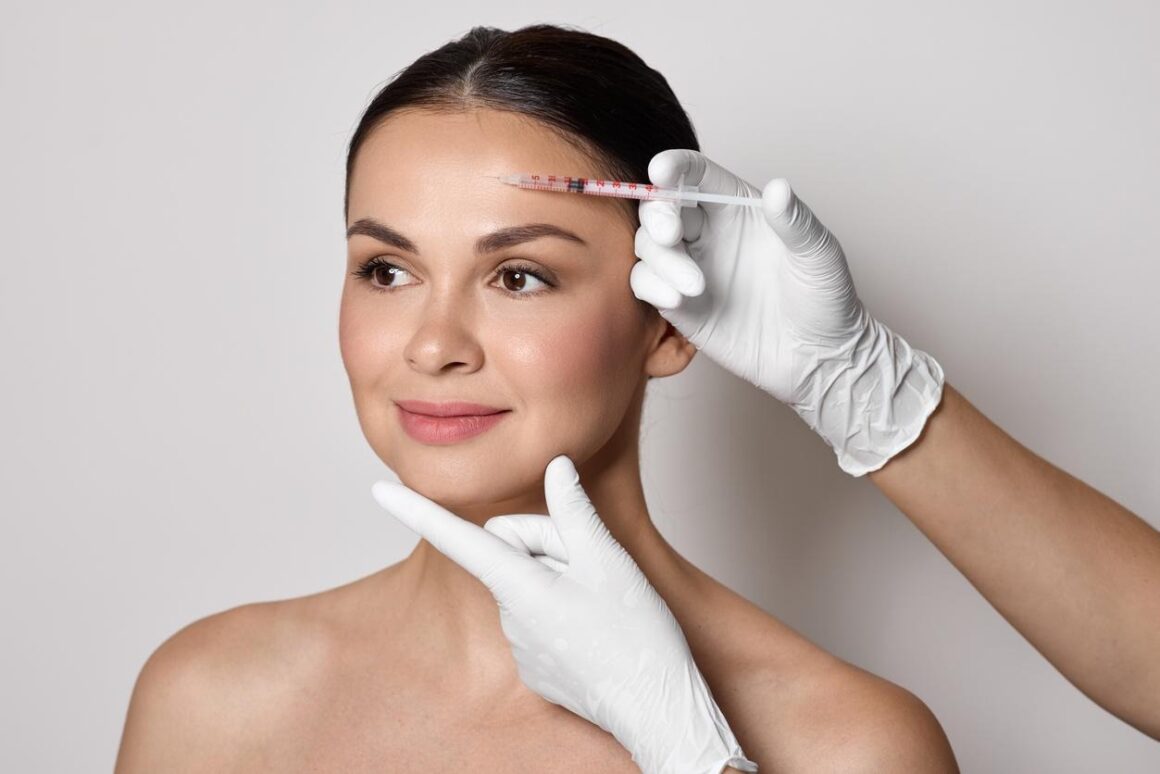
Proper preparation is essential before undergoing a Botox treatment to achieve optimal results. The following outlines what to expect as you prepare for your appointment.
Consultation and Evaluation
The initial step is to meet with a qualified healthcare provider, such as a physician, nurse, or certified injectionist. During this consultation, you will discuss your cosmetic objectives, review your medical history, and disclose any medications you are currently taking. This information is important, as certain medications—particularly blood thinners—can increase the likelihood of side effects, such as bruising at the injection site.
Treatment Overview
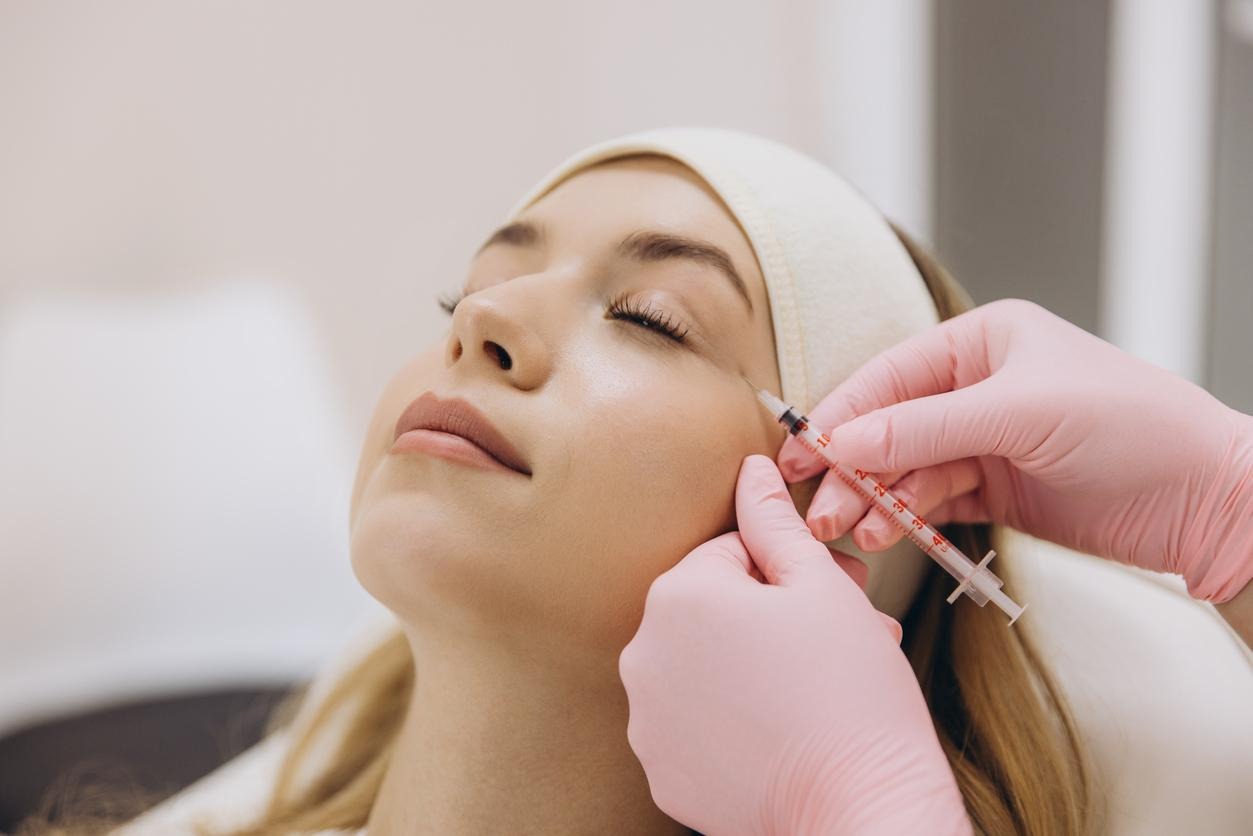
After your provider establishes an appropriate treatment plan, you will receive detailed information about the procedure. The Botox injection process is typically brief, often requiring only 10 to 15 minutes. Most patients report minimal discomfort. In many cases, practitioners apply a topical numbing gel before injections to further enhance comfort.
Aftercare Information
Following the procedure, it is important to adhere to specific aftercare instructions. Patients are generally advised to remain upright for several hours to allow the Botox to settle effectively. Additionally, it is recommended to avoid rubbing or massaging the treated area for at least 24 hours. These measures help reduce the risk of unwanted side effects and support the best possible outcome.
What Do Results Look Like?
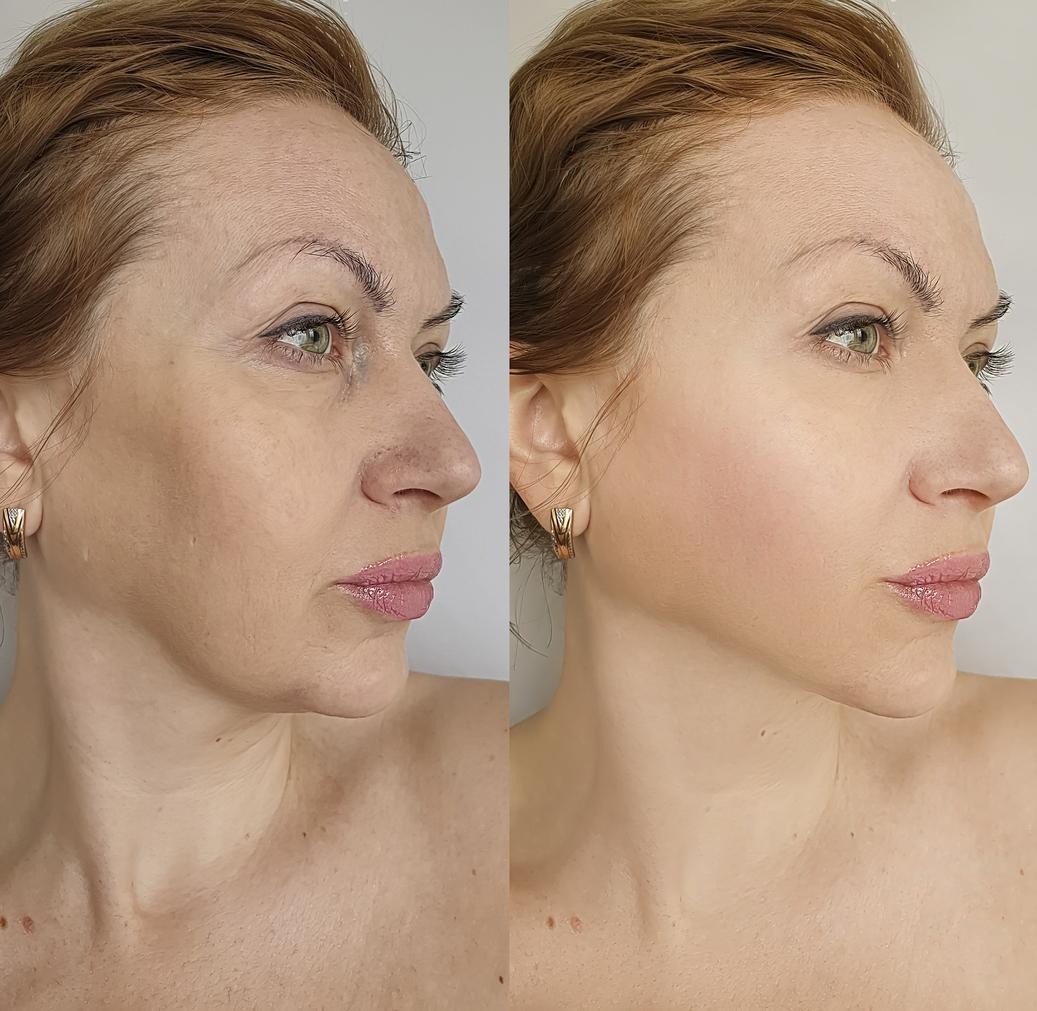
When reviewing Botox before and after results, most patients will see improvements around days 3-4 and complete smoothing at 10-14 days. The injection area of her forehead wrinkles, crow’s feet, and frown lines will soften as the muscle contraction stops. You will likely see the lines soften around day 3-5. The outcome you’re looking for with Botox before and after results is when your lines and wrinkles are greatly reduced, and you look refreshed. This full result usually takes 7-14 days, giving your skin enough time to relax and show the results of your Botox treatment. Your doctor should always set realistic expectations and discuss what Botox will and will not do, so you feel confident throughout the entire experience.
How Long Does Botox Last?
One of the most common questions among individuals considering Botox is how long its effects will last. Botox is a temporary treatment, and its results typically persist for an average of three to four months. This timeframe is generally consistent across frequently treated areas, such as forehead lines, frown lines (often referred to as the “11s”), and crow’s feet.
Botox functions by temporarily blocking the nerve signals responsible for muscle contraction. As the body gradually metabolizes the purified botulinum toxin protein, nerve endings regain their normal function. Consequently, muscle movement slowly returns, and lines or wrinkles begin to reappear.
Factors Influencing the Duration of Botox
So, how long does Botox last? While the standard duration is three to four months, the longevity of Botox results varies from person to person. Several factors contribute to these differences:
- Individual Metabolism and Lifestyle: Individuals with a high metabolic rate—such as those who are highly athletic, engage in frequent intense exercise, or are younger—may metabolize the botulinum toxin more rapidly. As a result, the effects may diminish closer to the three-month mark.
- Treated Area and Muscle Strength: The strength and activity level of the treated muscles play a significant role. For example, the masseter muscle, which is involved in chewing and jaw clenching, is particularly strong. Treatments in this area may last four to six months, whereas results in high-activity areas, such as around the mouth, may fade more quickly.
- Consistency of Treatments: Patients who receive Botox injections regularly often observe that the effects last longer over time. Consistent relaxation of the facial muscles can lead to gradual weakening, or “training,” of these muscles, which may extend the interval between follow-up appointments, sometimes up to 6 months. In contrast, first-time patients may notice that the effects wear off more quickly.
- Dosage and Injection Technique: The amount of product administered and the precision of the injection technique are critical. An experienced healthcare provider will tailor the dosage to the size and strength of the targeted muscles, ensuring optimal relaxation and longevity of results.
Maintaining Results Over Time
Because Botox is not a permanent solution, maintaining a youthful appearance requires regular follow-up treatments. Most patients schedule their next appointment when they begin to notice the return of fine lines or muscle movement, typically between three and four months after the previous session. Ongoing maintenance not only helps preserve a smooth appearance but may also prevent the development of deeper lines over time, serving as an effective preventative measure.
Understanding Botox Cost Per Unit
A “unit” refers to a standardized measurement of the botulinum toxin dose. This system enables providers to adjust the amount of product according to the specific strength and size of each patient’s facial muscles. As a result, patients pay only for the precise dosage required to achieve their desired aesthetic outcomes, ensuring transparency in pricing.
The cost of Botox per unit varies depending on geographic location and the clinic selected. On average, the price typically ranges from $12 to $20 per unit. Understanding the cost per unit is essential for making informed decisions and discussing appropriate treatment plans with your provider.
The number of units required depends on the treatment area and individual anatomy. For instance, addressing frown lines between the eyebrows may require 20 to 30 units, while treating crow’s feet generally involves 10 to 15 units per side. Your injector will determine the total number of units based on your facial structure and specific goals.
Cost Considerations Beyond Price
While affordability is a significant factor, selecting a provider solely on the basis of the lowest price may compromise safety and outcomes. An experienced injector is essential to achieve the intended outcome without excessive muscle stiffness or uneven effects. Additionally, it is important to consider the need for maintenance sessions, typically scheduled every 3 to 6 months, as the effects of Botox are temporary. Proper planning for these follow-up treatments is advisable when budgeting for ongoing care.
Look Younger and Feel Confident With Effective Botox Treatments
Botox has become a prominent option for individuals aiming to address the visible effects of aging. This treatment effectively smooths wrinkles and provides a rejuvenated appearance, all without invasive procedures. One of the key advantages of Botox is its ability to target specific areas of concern, including frown lines, crow’s feet, and forehead wrinkles. By focusing on these areas, Botox delivers tailored results that enhance natural features while requiring minimal recovery time.
Beyond serving as a remedy for frown lines and crow’s feet, Botox represents a proactive approach to self-care. It offers noticeable, natural-looking facial rejuvenation with a relatively low level of commitment. The primary objective is not to alter one’s identity, but rather to soften lines that may no longer reflect a refreshed and confident appearance
About the Author