Quick Answer
While clinical care effectively manages physical health conditions in older adults, companionship for seniors frequently proves more vital for daily well-being. Social connections help mitigate loneliness in elderly individuals, lower risks of depression and cognitive decline, and improve mood and motivation. Non-medical home care offers practical support alongside emotional bonds, delivering benefits of companionship such as greater independence and joy in later years.
Introduction
Imagine an elderly woman sitting alone in her living room each evening, surrounded by memories yet missing the simple pleasure of shared conversation over tea. As people age, retirement, mobility limitations, or the loss of loved ones often lead to fewer social interactions. These changes quietly erode emotional health, even when physical needs receive attention through regular doctor visits or medications.
Families might wonder whether hiring a companion for elderly individuals could make a difference, especially when medical issues seem under control. Companion caregivers focus on building meaningful relationships through everyday activities, from chatting about hobbies to accompanying on short walks. This approach addresses a core human requirement: connection.
Loneliness affects millions of older adults worldwide, contributing to higher rates of anxiety, weakened immunity, and reduced life satisfaction. Yet, targeted social engagement can reverse these effects, fostering resilience and purpose.
Clinical Care vs Non-Medical Support for Seniors
Older adults often require various forms of assistance as needs evolve. Clinical interventions target health conditions directly, while relational and practical help focuses on daily living and emotional fulfillment. Distinguishing these approaches helps families align choices with individual priorities.
Defining Clinical Care and Its Focus
Medical professionals deliver treatments such as medication management, wound dressing, or therapy sessions. Nurses or physicians typically provide these services, emphasizing diagnosis, symptom control, and disease prevention. The primary goal remains restoring or maintaining bodily function through evidence-based procedures.
What Non-Medical Home Care Entails
This type of assistance includes help with household tasks, meal preparation, transportation, and light personal grooming. Providers offer oversight for safety and engage in conversations or shared activities. The emphasis lies on enabling independent routines and fostering a sense of belonging.
Key Differences: A Side-by-Side Comparison
| Aspect | Clinical Care | Non-Medical Support |
| Primary Focus | Physical health conditions and treatment | Daily living and emotional well-being |
| Services Provided | Injections, monitoring vital signs, and rehabilitation | Grocery shopping, companionship, errands |
| Provider Qualifications | Licensed nurses or therapists | Trained caregivers with background checks |
| Typical Duration | Scheduled appointments or short-term recovery | Ongoing daily or weekly visits |
| Outcomes Sought | Healing illnesses or managing chronic issues | Reduced isolation, improved mood, sustained independence |
When Clinical Care Is Essential
Certain situations demand professional medical input, such as post-surgery recovery, diabetes management requiring insulin, or chronic pain needing specialized adjustments. These cases prioritize expertise in health complications to prevent escalation.
Scenarios Where Emotional Support Takes Priority
Many individuals remain physically stable yet struggle with motivation for daily tasks or feel disconnected from others. Here, consistent interaction through shared interests or simple outings often yields greater improvements in overall vitality than additional medical visits alone.
Exploring Companion Caregivers and Their Role
Companion caregivers play a distinct part in supporting older adults by prioritizing relational and practical assistance. Their contributions centre on fostering connections, easing loneliness in elderly and daily routines, setting them apart from medically focused roles.
Core Responsibilities of Companion Caregivers
These providers engage in activities that promote interaction and comfort. They often assist with meal planning, light cleaning, or organizing personal items. Conversations form a key element, covering topics from family updates to shared interests in books or news.
Daily Interactions and Engagement
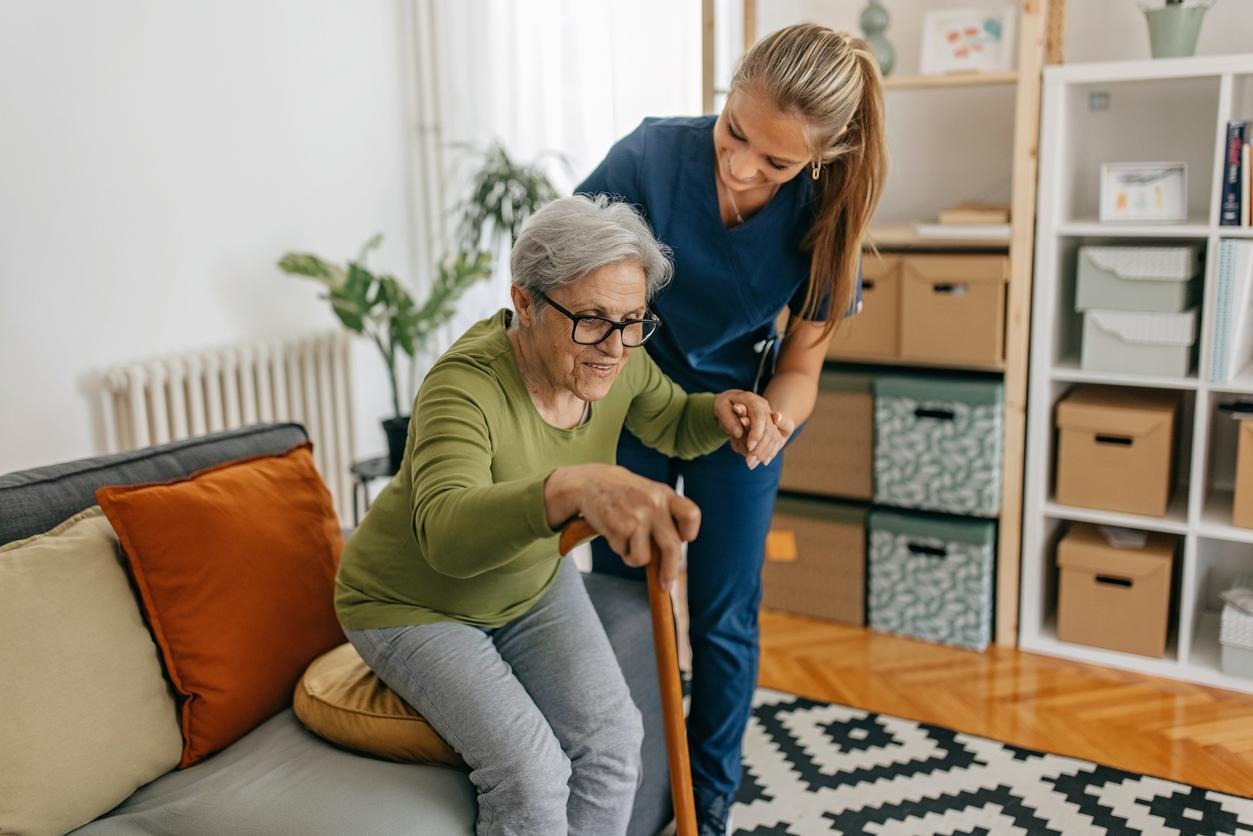
Interactions vary based on individual preferences. Caregivers might join in hobbies like puzzles or listening to radio programs. They also facilitate outings, such as visits to nearby stores or cafes, while offering gentle support for mobility.
Promoting Safety and Independence
Oversight includes subtle monitoring of well-being, such as encouraging regular movement or hydration. This helps maintain home environments where seniors feel secure and capable.
- Accompanying on walks for fresh air
- Assisting with correspondence or phone calls to friends
- Helping organize photos or memorabilia
- Joining in simple games or crafts
Building Meaningful Relationships
Over time, consistent visits cultivate trust and familiarity. These bonds encourage openness, allowing seniors to express concerns or joys freely. Such dynamics contribute to sustained emotional stability.
This focused role enhances everyday experiences and complements other forms of support, fostering a fuller sense of well-being.
Key Benefits of Companionship for Older Adults
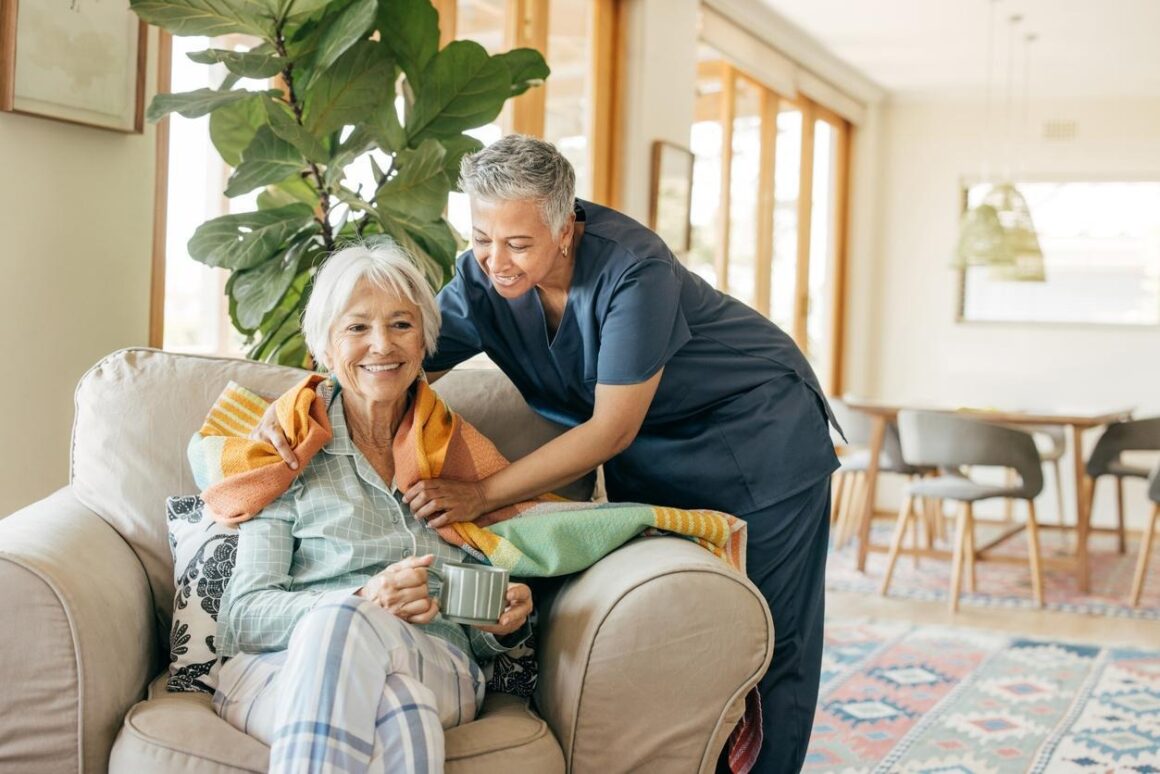
Regular social engagement offers substantial advantages for seniors, often influencing emotional, mental, and even physical health in positive ways. These gains stem from consistent interactions that restore a sense of connection and purpose.
Emotional Advantages
Meaningful conversations and shared moments reduce feelings of isolation. Many older individuals report improved mood and lower stress levels when they have reliable company. This support fosters resilience against daily challenges.
Mental Stimulation and Cognitive Health
Engaging discussions or activities like reading together keep minds active. Such stimulation helps maintain memory function and slows potential decline. Simple exchanges on varied topics encourage curiosity and mental sharpness.
Physical and Practical Gains
Encouragement from a familiar presence often motivates light exercise or better nutrition habits. Seniors tend to stay more active with assistance for walks or chores, leading to sustained mobility.
- Heightened sense of security in familiar settings
- Greater motivation for self-care routines
- Reduced risk of depressive symptoms
- Enhanced overall life satisfaction
These outcomes highlight how relational focus complements health management, contributing to fuller days and brighter outlooks.
Choosing the Right Support: Next Steps for Families
Families facing decisions about senior care often weigh options based on current circumstances and future possibilities. Starting with open conversations reveals preferences and concerns, guiding toward suitable arrangements.
Assessing Individual Needs
Begin by observing daily patterns and challenges. Note areas where motivation lags or tasks pile up, alongside any ongoing health management requirements. Input from the senior themselves carries significant weight in identifying priorities.
Researching Available Options
Explore local resources through community centres or reliable online directories. Compare service types, focusing on flexibility, scheduling, and provider training. References from others in similar situations offer valuable perspectives.
Key factors to consider:
- Compatibility between caregiver and recipient personalities
- Frequency of visits needed for meaningful impact
- Budget alignment with long-term plans
- Trial periods offered by providers
Involving Professionals When Needed
Consult physicians or social workers for balanced recommendations. They can clarify when combined approaches work best, blending relational elements with any required medical oversight.
Taking deliberate steps leads to arrangements that respect independence while addressing emotional gaps effectively.
Balancing Emotional and Physical Needs in Later Life
Seniors often experience the fullest lives when both health management and relational elements receive attention. Striking this equilibrium requires ongoing awareness of shifting priorities as circumstances change.
Physical care through appointments and treatments forms a foundation for stability. Yet, without social ties, even well-managed conditions can leave individuals feeling unfulfilled. Integrating companionship into routines addresses this by promoting adherence to healthy habits through gentle encouragement.
Families benefit from regular check-ins to gauge satisfaction levels. Adjustments might involve increasing interaction frequency or incorporating new shared activities. Professional guidance helps tailor blends that suit personal histories and current capabilities.
Ultimately, prioritizing connection alongside clinical support leads to greater resilience and contentment. Companionship for seniors emerges as a vital component in nurturing holistic well-being, reminding everyone that quality of life extends beyond mere physical vitality.
About the Author