
Quick Answer
Anxiety in older adults who live alone often goes unnoticed because its signs can be mistaken for normal aging or physical health issues. Living independently may bring a sense of freedom, but it can also lead to prolonged social disconnection, uncertainty about daily needs, and heightened fear about health or safety. Without regular interaction or support, these feelings can build into chronic stress or emotional distress. Recognizing the subtle emotional and behavioural shifts – like restlessness, sleep disturbances, or withdrawal – is essential for timely support and better quality of life.
Introduction
Every morning, Margaret makes tea just as she has for fifty years – but now, she drinks it in silence. Her children live provinces away, her neighbours are mostly strangers, and the house that once buzzed with laughter now echoes with quiet. Stories like Margaret’s are increasingly common across Canada, where nearly one in four seniors lives alone. While independence is valued at any age, the emotional toll of solitude can quietly shape mental well-being in ways families rarely anticipate.
For many older adults, support begins not with a crisis, but with connection. Services like home care nursing can offer more than clinical assistance – they provide consistent human presence, routine, and a trusted voice during uncertain days. This kind of support doesn’t replace family, but it bridges gaps that distance, busy schedules, or health limitations create.
This article explores how living alone influences anxiety in aging adults – not as a problem to be fixed, but as a reality to be understood and met with compassion. We’ll look at signs that often go overlooked, the deeper effects of social disconnection, and practical steps loved ones and communities can take to foster emotional resilience in later life.
Understanding Anxiety in Older Adults Who Live Alone
Anxiety doesn’t always announce itself with panic or tears. Impact of isolation on elderly – especially those who live by themselves – often wears a quieter mask: skipped meals, reluctance to answer the phone, or sudden disinterest in hobbies once loved. Because these signs blend easily into narratives of “slowing down” or “adjusting to retirement,” the emotional weight behind them can go unaddressed for months or even years.
Living alone isn’t inherently harmful. Many seniors cherish their autonomy and manage daily life with confidence. But when social circles shrink and health becomes less predictable, the absence of nearby support can amplify worry into something more persistent.
Common but Overlooked Signs of Anxiety in Later Life
Unlike younger adults, older individuals may not describe feeling “anxious.” Instead, they often express distress through physical or behavioural changes. Key indicators include:
- Unexplained aches or digestive issues that persist despite medical clearance
- Avoiding social invitations or family calls due to “not feeling up to it”
- Repeatedly checking locks, medications, or appliances
- Difficulty falling or staying asleep, even when tired
- Expressing excessive concern about minor health changes
These behaviors aren’t just quirks of aging – they can signal underlying emotional strain that deserves attention.
How Loneliness Differs from Solitude
It’s important to distinguish between being alone and feeling lonely. Solitude can be peaceful and chosen; loneliness is an unwelcome sense of disconnection. For many seniors, especially after the loss of a spouse or close friends, the shift from solitude to loneliness happens gradually – often without conscious awareness.
Research shows that chronic loneliness activates the body’s stress response similarly to physical threat. Over time, this can contribute to elevated blood pressure, weakened immunity, and – critically – heightened anxiety about safety, health, or the future.
The Ripple Effects of Social Isolation
When daily interactions dwindle, so does the opportunity for emotional regulation. A brief chat with a neighbour, a weekly coffee with a friend, or even a friendly exchange at the pharmacy can serve as subtle anchors that ground a person in the present. Without these touchpoints, thoughts can spiral, especially in the quiet hours of early morning or late evening.
Consider this comparison of daily experiences:
| With Regular Social Contact | With Prolonged Isolation |
| Shares concerns with a visiting friend or caregiver | Keeps worries internalized |
| Receives gentle reminders about appointments or medications | Misses cues due to lack of external input |
| Feels accountable to others (e.g., walking the dog, watering plants) | Loses sense of daily rhythm or purpose |
| Has someone to notice subtle mood shifts | Changes go unnoticed until they escalate |
This table isn’t about pathologizing independence – it’s about recognizing how human connection functions as a quiet but vital layer of mental health infrastructure.
Why Anxiety Often Goes Undiagnosed
Many older adults grew up in a time when mental health wasn’t openly discussed. As a result, they may:
- Attribute anxiety to “just getting older”
- Fear being seen as a burden if they speak up
- Avoid doctors due to mobility challenges or transportation gaps
- Assume nothing can be done, so why mention it?
Additionally, healthcare visits often prioritize physical conditions, leaving little room for emotional check-ins unless prompted. Family members, especially those living at a distance, might interpret silence as stability – when it could actually signal withdrawal.
Supporting Emotional Well-Being Without Overstepping
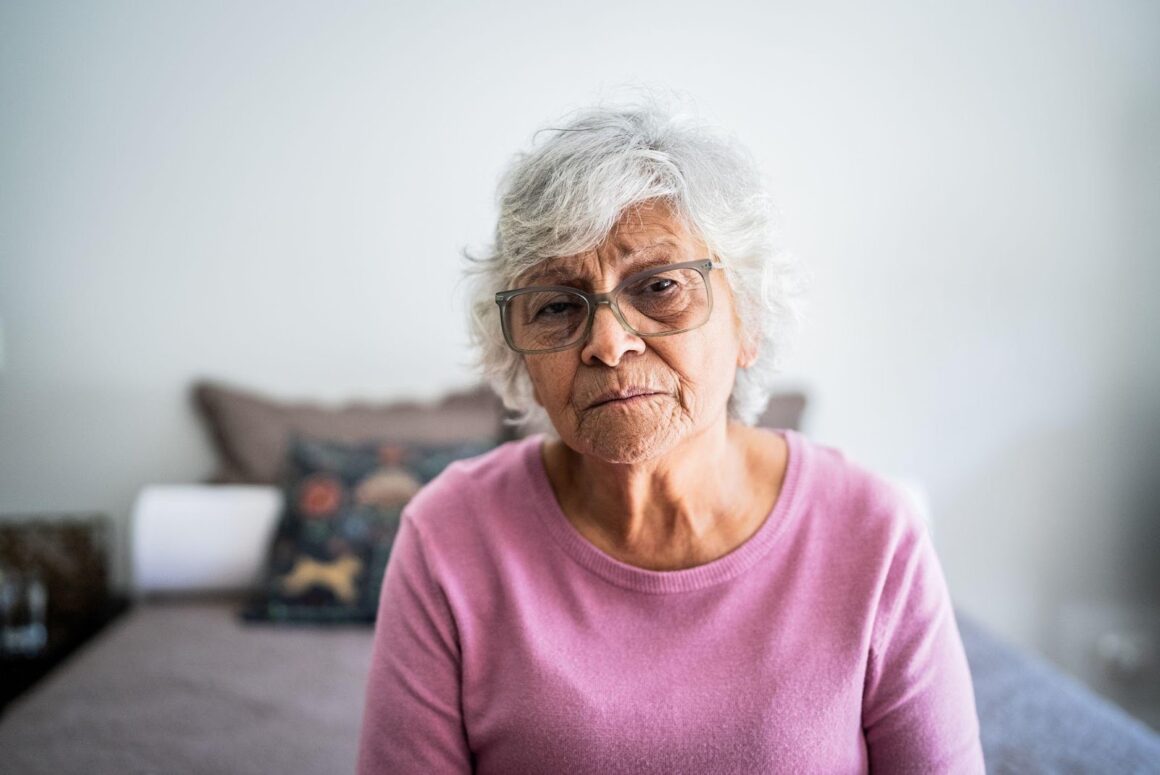
Helping an older adult who lives alone doesn’t require grand gestures or constant oversight. In fact, the most effective support for loneliness in seniors often comes through subtle, consistent actions that honour autonomy while gently reinforcing connection. The goal isn’t to “fix” loneliness but to create conditions where meaningful engagement can re-emerge – on the senior’s terms.
Small Actions with Meaningful Impact
Families and community members can foster emotional safety without imposing. Consider these low-pressure, high-impact approaches:
- Schedule predictable check-ins – A weekly Sunday call or Tuesday text creates rhythm without pressure. Consistency matters more than duration.
- Encourage purpose-driven activities – Volunteering (even virtually), caring for a plant, or writing letters gives structure and a sense of contribution.
- Facilitate peer connections – Local libraries, faith groups, or senior centres often host low-barrier events (e.g., walking clubs, book chats) that don’t require prior social energy.
- Use technology thoughtfully – A simplified tablet with pre-loaded video calling apps can reduce isolation without overwhelming the user.
These strategies work because they centre the senior’s agency – not their deficits.
When to Consider Additional Support
Sometimes, elderly anxiety symptoms go beyond what informal support can address. Signs it may be time to explore professional options include:
- Persistent sleep disruption lasting more than two weeks
- Expressing hopelessness or “what’s the point?” statements
- Declining personal hygiene or skipped medications
- Increased irritability or uncharacteristic withdrawal
In these cases, a visit with a primary care provider or a referral to a geriatric mental health service can open doors to appropriate care – whether that’s counselling, medication review, or community-based support programs.
Final Thoughts: Rethinking Connection in Later Life
Aging doesn’t have to mean fading into the background. Yet too often, emotional struggles in older adults are treated as inevitable – a quiet cost of time passing. The reality is more nuanced: while physical changes are part of growing older, persistent anxiety, withdrawal, or emotional distress are not normal signs of aging. They are signals, often rooted in unmet social or psychological needs, that deserve attention just as much as a missed medication or unsteady gait.
The conversation around aging and mental health is shifting across Canada. Communities are beginning to recognize that well-being in later life isn’t just about safety or medical care – it’s about belonging, purpose, and being seen as a whole person. This means reimagining support not as a rescue mission, but as a partnership: one that starts with listening, respects autonomy, and meets seniors where they are – emotionally, geographically, and socially.
About the Author