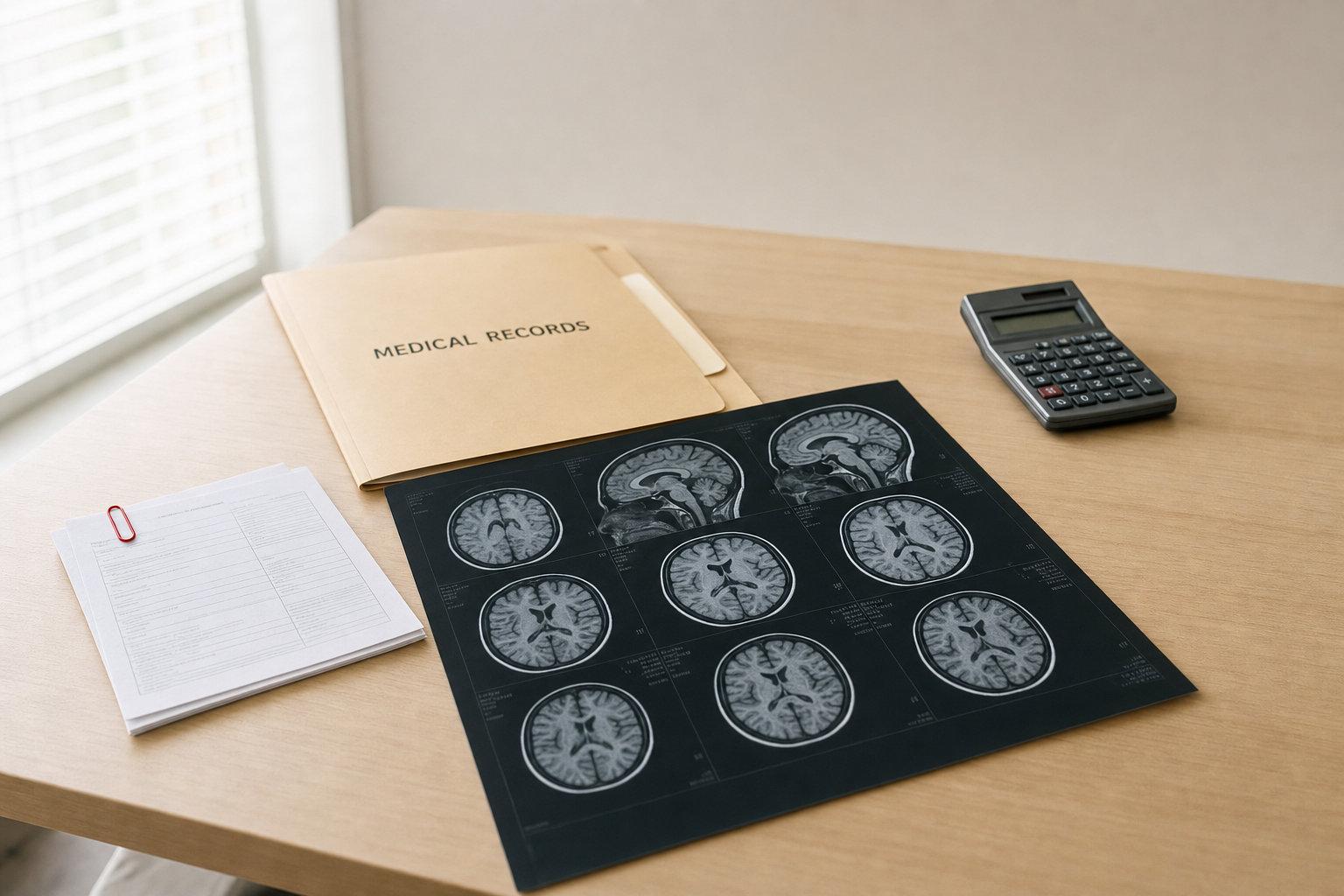
Traumatic brain injuries can lead to long-term health complications and financially challenging outcomes for individuals and their families. Navigating both the recovery process and the various forms of recourse available, including a Bergen County personal injury lawyer, is essential for effective management of a traumatic brain injury. This article examines how patients and their support networks can address long-term clinical and financial challenges following a traumatic brain injury.
Suffering a traumatic brain injury after an accident often means confronting both medical and financial uncertainties that persist over time. Traumatic brain injury recovery can be unpredictable, especially when symptoms fluctuate and new limitations appear months later. While immediate symptoms and care tend to dominate the first days and weeks, lasting effects such as cognitive or physical impairments often require ongoing management and adaptation. For those in Bergen County and elsewhere, the involvement of professionals may become vital when considering the longer-term consequences and organizing Long-term TBI care planning. Recognizing the complexity of traumatic brain injury recovery helps families make informed decisions around medical planning, resource access, and financial strategies.
Understanding the long-term clinical effects of traumatic brain injuries
Traumatic brain injuries frequently lead to lasting changes that can affect daily functioning, behavior, or quality of life. Long-term TBI care planning often starts with understanding what symptoms may persist and what supports may be needed at home or work. Many individuals experience ongoing issues such as headaches, memory problems, concentration difficulties, or sleep disturbances, long after the initial injury has healed. The management of symptoms becomes a continuous process, requiring regular monitoring and adjustments in treatment as patient needs change over time.
In some cases, rehabilitation focuses on restoring movement, speech, or cognitive skills through therapies tailored to the injury’s severity and the patient’s goals. Even after significant progress, some individuals are left with challenges that affect their ability to return to previous employment or social activities. Continuous coordination between healthcare providers and support networks is vital for adapting care strategies as the effects of a traumatic brain injury evolve over months or years, and the National Traumatic Brain Injury Association can be a helpful starting point for education and referrals.
The severity and duration of long-term effects can vary widely depending on factors such as the location and extent of brain damage, the age of the patient at the time of injury, and the quality of early intervention received. Some individuals may experience subtle cognitive changes that only become apparent in complex work or social situations, while others face more pronounced disabilities that require comprehensive lifestyle modifications. Healthcare professionals often emphasize the importance of baseline neurological assessments and periodic follow-up evaluations to track changes in cognitive function, motor skills, and emotional well-being. These assessments help identify emerging issues early and allow for timely adjustments to treatment plans, potentially preventing secondary complications and optimizing long-term outcomes for those living with traumatic brain injury.
Rehabilitation, support resources, and adaptation to new circumstances
Successful adaptation following a traumatic brain injury often relies on structured rehabilitation programs that address not just physical recovery but also mental and emotional health. Physical, occupational, and speech therapies are common elements, each designed to restore function, enhance independence, or provide coping strategies. Psychological support plays a crucial role as emotional symptoms such as anxiety, mood changes, and frustration may accompany the recovery journey, and the National Traumatic Brain Injury Association may provide additional community-based guidance.
In addition to clinical care, patient advocacy organizations and community resources provide information and connection for families learning to manage long-term needs. Support groups, education programs, and access to specialized services can help individuals adjust to new routines or limitations, reinforcing the importance of holistic support. Families and caregivers benefit from guidance on day-to-day challenges and from connecting with others facing similar experiences, and Long-term TBI care planning can reduce uncertainty by clarifying next steps.
Financial challenges and pursuing recourse after traumatic brain injury
The financial consequences of a traumatic brain injury can be significant, sometimes involving medical bills, lost income, ongoing therapy costs, or home adaptations. Bergen County TBI claims may also involve complex documentation that links the accident to the diagnosis, making organization and consistency important early on. Those affected may need to pursue insurance claims, disability benefits, or legal options to support their recovery and continued care. Consulting a knowledgeable professional can clarify the available routes for compensation and the documentation required for each process, including how Personal injury medical liens may affect settlement timing and distribution.
In many cases, working with a trusted advisor such as the Varcadipane & Pinnisi, P.C. law firm can help families understand the steps involved in personal injury claims or litigation. Varcadipane & Pinnisi traumatic brain injury lawyers may also help evaluate TBI litigation causation by reviewing medical records, accident reports, and expert opinions for consistency. This support is often necessary to secure resources essential to long-term recovery. Founding partner Dawn Pinnisi has emphasized the value of careful preparation when pursuing Bergen County TBI claims in matters involving serious neurological harm. Financial planning, thorough medical documentation, and advocacy are all tools families use to safeguard the future after a traumatic brain injury, and Personal injury medical liens should be addressed early to avoid unexpected repayment disputes.
When the facts are contested, TBI litigation causation may depend on timelines, imaging results, symptom history, and credible witness accounts. Varcadipane & Pinnisi traumatic brain injury lawyers often coordinate with specialists to help clarify how a specific incident contributed to ongoing limitations and care needs. Founding partner Dawn Pinnisi has noted that clear records can also support negotiations when insurers dispute the extent of injury-related impairment.
About the Author