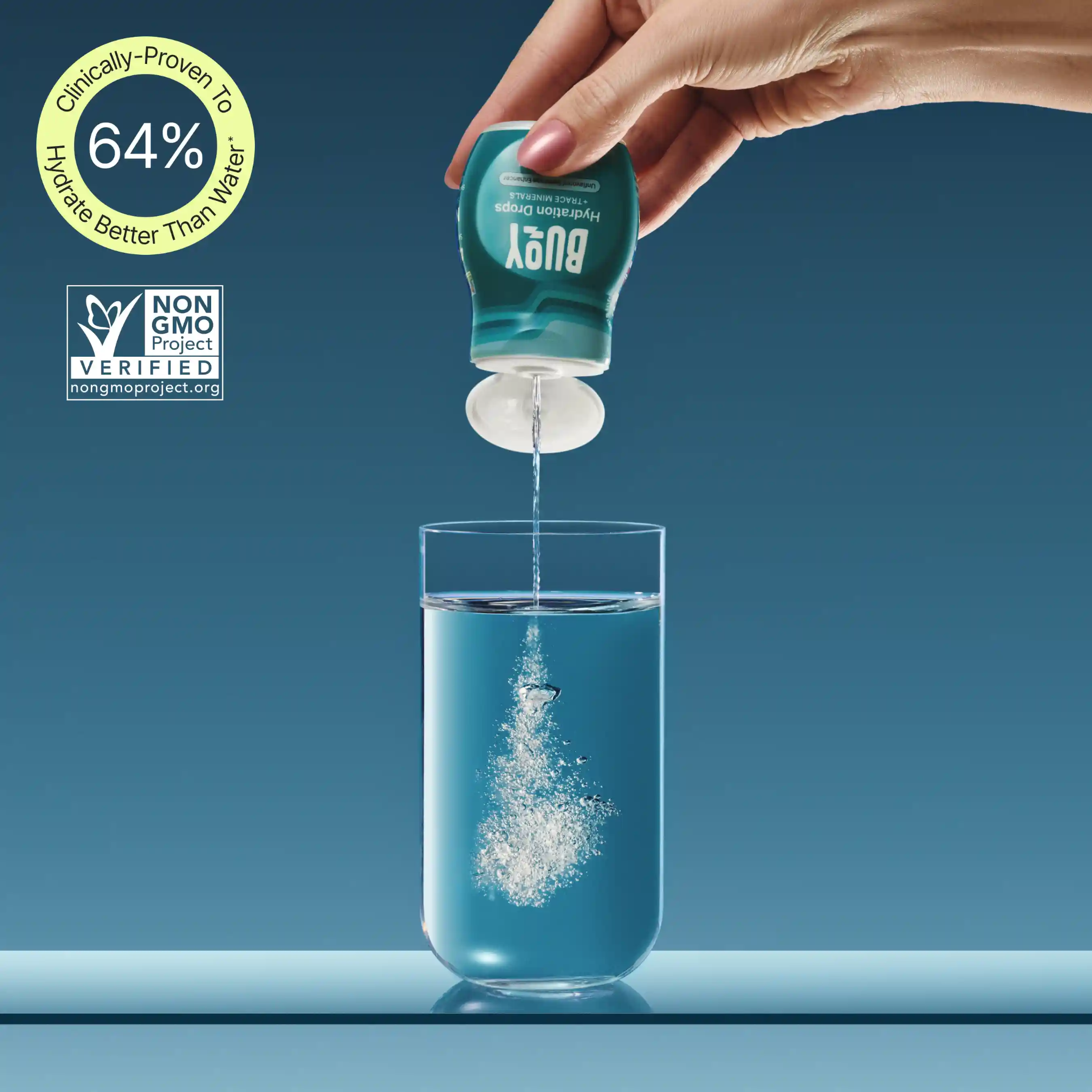
Electrolyte drinks are widely consumed, but many popular sports drinks contain significant added sugar, especially in larger bottles. Sugary sports drinks can be useful during prolonged or intense exercise, but they are usually unnecessary for everyday hydration. Sugar-free electrolytes can be helpful in some cases, but are not universally necessary. This practical guide dives into when sugar-free options make sense in terms of health. You’ll learn about hydration and electrolyte needs, when water alone is fine, and how to pick supplemental minerals without calories.
What Electrolytes Do
Electrolytes are charged minerals that help regulate fluid balance, nerve signaling, muscle contraction, and acid-base balance. Sodium is the main electrolyte in fluid outside cells, while potassium is concentrated mostly inside cells. Together, they help maintain fluid balance across cell membranes. Magnesium supports muscle and nerve function, calcium helps with muscle contraction and nerve signaling, and chloride helps maintain fluid and acid-base balance.
If you lose a bunch of fluid via sweat, heat, illness, etc., you’ll also lose electrolytes. When fluid and electrolyte losses become significant, some people may experience symptoms such as fatigue, muscle cramping, headaches, dizziness, or reduced exercise performance. But you do not lose large amounts of these minerals all the time. For most healthy people, regular meals that include mineral-rich foods such as vegetables, fruits, dairy, seeds, nuts, and salted foods in moderation, combined with plain water, are enough to support normal electrolyte balance.
Why Do Some Electrolyte Drinks Contain Sugar?
Sugar in hydration drinks is not always included just for taste. In certain contexts, glucose helps the body absorb sodium and water more efficiently through sodium-glucose transport in the gut. This is one reason oral rehydration solutions contain both electrolytes and a measured amount of glucose. Sugar can also provide quick energy during prolonged or intense exercise.
But that doesn’t mean sugar is needed in every hydration scenario. For everyday thirst, light activity, hot weather, or people trying to reduce added sugar, no sugar electrolytes can be a practical way to get minerals without extra calories or carbohydrates. If you are not doing prolonged or intense exercise, the higher carbohydrate content of many sports drinks may not provide much added benefit.
When Sugar-Free Electrolytes Can Be Useful
Electrolyte needs are situational, so supplementation should match the reason you are losing fluids or minerals. Sugar-free electrolytes can be useful when you need to replace minerals without adding sugar, calories, or extra carbohydrates.
Common examples include:
- Hot weather with noticeable sweating. If you are walking outside on a hot day, doing yard work, or spending extended time in the heat, you may not need a sugary sports drink, but replacing sodium and other minerals can be helpful if you are sweating heavily.
- Light to moderate workouts with heavy sweating. For most 30–45 minute workouts, plain water is usually enough. However, if you are exercising in heat, sweating heavily, or prone to feeling depleted after workouts, a sugar-free electrolyte option can provide sodium and other minerals without added sugar.
- Long workdays and travel. Flights, busy schedules, dry indoor air, and long periods without drinking enough fluids can make hydration easier to neglect. Sugar-free electrolytes may encourage fluid intake and provide minerals without added sugar, though plain water and regular meals are often enough.
- Low-carb diets. Lower carbohydrate intake can reduce glycogen stores, and glycogen holds water. As the body sheds some of that water, sodium and other electrolytes may also be lost, which is why some people on low-carb diets feel better when they pay attention to electrolytes.
- Reducing added sugar intake. Sugar-free electrolyte drinks can be a lower-calorie alternative to conventional sports drinks for people who want minerals without added sugar.
- Minor illness with fluid loss. If you are losing fluids through mild vomiting, diarrhea, or fever, electrolytes may help replace sodium and other minerals. However, significant dehydration is best managed with a proper oral rehydration solution, which often contains a carefully measured amount of glucose. Regular sugary drinks are not the same as oral rehydration solutions and may not be appropriate during stomach illness.
When Plain Water May Be Fine
Despite their benefits, sugar-free electrolytes are not necessary for everyone. For most healthy people, plain water is enough for everyday hydration, routine thirst, and short workouts. If you are exercising briefly and lightly, especially under an hour and without heavy sweating, electrolyte losses are usually minimal.
Balanced meals can also provide daily electrolytes through foods such as fruits, vegetables, dairy, nuts, seeds, legumes, and salted foods in moderation. Electrolyte supplements make more sense when fluid and mineral losses increase, such as during heavy sweating, heat exposure, prolonged exercise, low-carb dieting, or illness-related fluid loss.
How to Choose Sugar-Free Electrolytes
When comparing sugar-free electrolyte products, check the label carefully and match the formula to your needs:
- Mineral profile: Look for sodium, potassium, and magnesium. Sodium is especially important when replacing sweat losses.
- Sugar content: Confirm that the product has zero added sugar or fits your carbohydrate goals.
- Sweeteners and additives: Some products use stevia, monk fruit, sucralose, dyes, or “natural flavors.” Choose based on your preferences and tolerance.
- Sodium level: Lighter blends may contain around 200–500 mg of sodium per serving, while higher-sodium formulas may be better suited for heavy sweating, sauna use, endurance exercise, or hot environments.
- Format: Powders, tablets, and ready-to-drink bottles can all work, but powders and tablets are often more portable and cost-effective.
Who Should Be Careful With Electrolyte Drinks?
Certain populations should be cautious with electrolyte supplements:
- People with chronic kidney disease may need to limit or monitor minerals such as potassium, sodium, magnesium, and phosphorus. Electrolyte supplements can contain concentrated minerals, so they should be used only with medical guidance in this group.
- People with heart conditions, high blood pressure, or sodium- or potassium-restricted diets should also be cautious, since many electrolyte packets contain meaningful amounts of sodium or potassium.
- Electrolytes may help with minor fluid loss, but seek medical care for concerning symptoms such as inability to keep fluids down, severe vomiting or diarrhea, fainting, confusion, dizziness, very dark urine, or signs of dehydration.
Conclusion
Sugar-free electrolytes can be useful when your body is losing fluids and minerals through sweat, heat, travel, low-carb dieting, or mild illness-related fluid loss. They offer a way to replace key minerals without added sugar or extra calories. Still, they are not necessary for every sip of water or every workout. For most everyday hydration needs, plain water and balanced meals are enough. The best choice depends on your activity level, sweat loss, health status, and nutrition goals.
About the Author