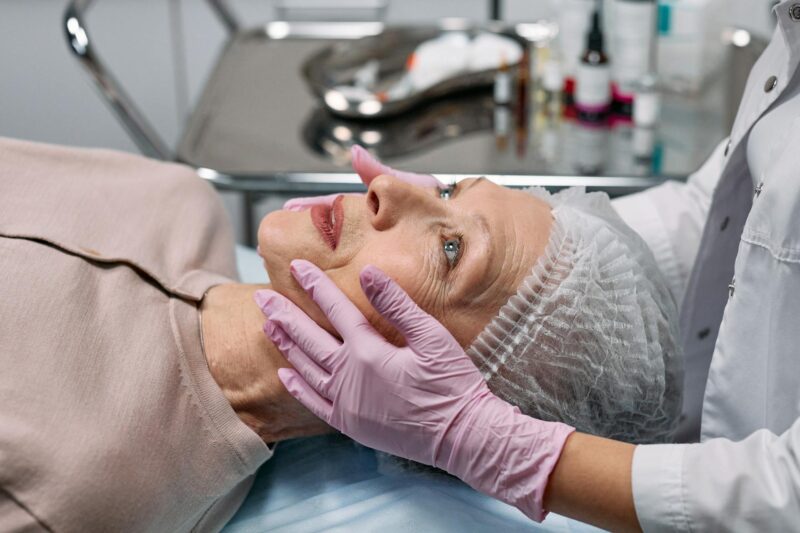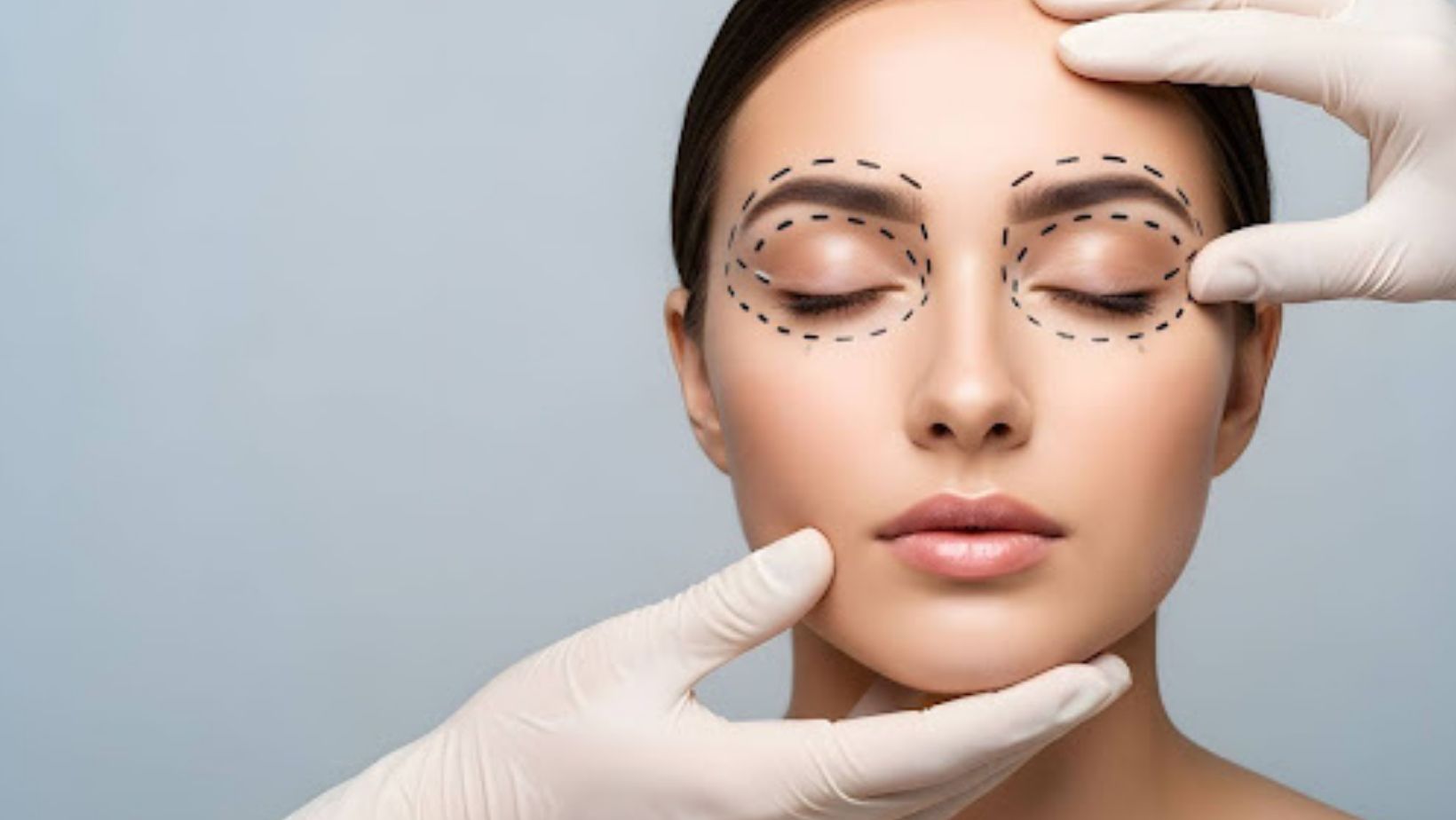
Eyes are often the first thing people notice. Droopy eyelids, puffiness, or saggy upper eyelids might make eyes look tired or older, even when you feel alert. Eyelid surgery, or blepharoplasty, may help create a refreshed appearance, but results aren’t always exactly what appears in before and after pictures. Understanding what to expect and how recovery could affect your outcome is important if you want a natural, lasting look.
Understanding Eyelid Surgery and Its Goals
Eyelid surgery focuses on the skin around your eyes, removing extra tissue and sometimes tightening the muscles underneath. The goal isn’t purely cosmetic. Sagging lids might affect vision, and surgery may help improve this in some cases. Each surgical procedure is usually tailored to individual anatomy and concerns, which is why results might differ between people.
If you’re asking, ‘what is blepharoplasty?’, it’s the medical term for eyelid surgery. Knowing this may help you ask informed questions and understand what the procedure involves. Surgery could target the upper lids (upper blepharoplasty), lower lids (lower blepharoplasty), or both, depending on the changes a person hopes to achieve.
Most people notice a visible change in their eyes. The transformation isn’t just about reducing puffiness or wrinkles. Small adjustments, like a refined natural eyelid crease or smoothing tear troughs, might make eyes appear brighter or more alert. Subtle results often look more natural and may enhance features without creating an artificial effect.
The Recovery Timeline: What Happens After Surgery
Recovery usually begins with swelling and mild bruising. These symptoms might be strongest in the first few days and gradually ease. It’s normal to feel concerned when the eyes look unusual at first, but this is often part of the healing process. Proper postoperative care may help reduce discomfort and support better healing.
During the first week, cold compresses and keeping your head elevated may help reduce swelling. Stitches, if used, are generally removed within 5 to 7 days. Some people experience dryness or irritation, which lubricating drops or eye creams could relieve.
By the second and third weeks, most swelling might fade, and the eyelids could begin taking a new shape. Minor puffiness or lower lid bags may remain for a while. Understanding this timeline may help set realistic expectations and reduce anxiety when looking at before and after pictures.
Eyelid Surgery Results: What You Can Expect
Results may vary depending on skin, age, and the type of procedure. Upper eyelid surgery might make eyes appear more open, while lower eyelid surgery could smooth under-eye fat bags and tighten loose skin. Some people combine surgery with tear trough fillers or filler injections for added improvement in under-eye hollows.
The ‘after’ photo might not remove all signs of aging. Improvements are usually subtle, balancing a refreshed appearance with natural results. Many people are surprised by how noticeable even small changes can be.
Long-term results also depend on genetics and lifestyle. Eyelid surgery might last for years, but gravity, sun exposure, and aging could continue to affect the skin. Some patients also consider ptosis repair, eyelid lift, or skin pinch techniques as part of comprehensive facial rejuvenation.
Realistic Expectations: How To Avoid Disappointment
It’s easy to get caught up in dramatic before-and-after images online. Lighting, makeup, and angles may exaggerate results. Taking your own photos under consistent conditions could give a clearer view of the changes. Combining surgery with ongoing care like eye creams or other non-invasive treatments may improve overall satisfaction.
Eyelid surgery might enhance natural features. Friends and family could notice a more awake or youthful appearance without being able to pinpoint exactly what changed. That subtle improvement is often the goal.
Patience is key. Minor swelling or bruising could linger for weeks, and eyes may continue to refine over months. Having realistic expectations helps you appreciate improvements as they appear rather than expecting instant results.
Factors That Influence How Results Look
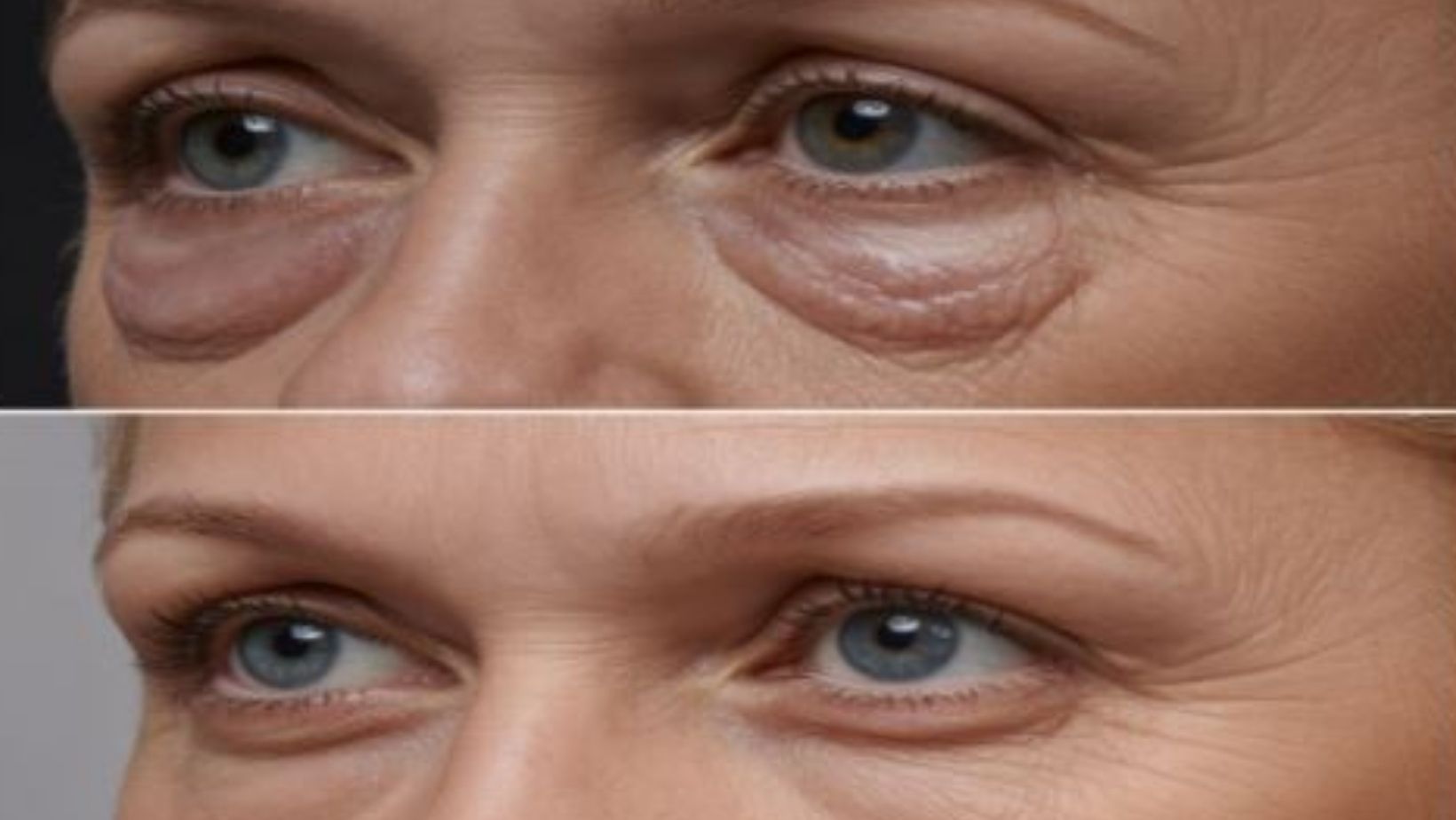
Several factors might shape outcomes. Skin elasticity plays a major role, as firmer skin may hold its new shape better. Age and the presence of wrinkles or sun damage could also affect results. Some patients may combine surgery with skin resurfacing or other treatments to enhance overall outcomes.
The surgeon’s experience is important. A surgeon familiar with facial proportions may help achieve results that look natural and balanced. During patient consultation, asking how asymmetry, contouring, and expectations are managed may help you feel more prepared.
Lifestyle habits also influence recovery. Sleep, hydration, and sun protection may affect how the eyelids heal. Following post-operative instructions carefully could make a difference in both short-term and long-term outcomes. Some people may also benefit from scarless lower blepharoplasty techniques for a smoother result.
The Bottom Line
Eyelid surgery may open tired-looking eyes and smooth under-eye areas, creating a refreshed appearance. Recovery, realistic expectations, and factors such as skin, age, and lifestyle all might affect the final look. Preparing physically and mentally may help you approach the procedure with confidence and achieve a natural, lasting result. The aim isn’t to erase every flaw but to enhance the eyes in a way that complements your face and personality.
About the Author