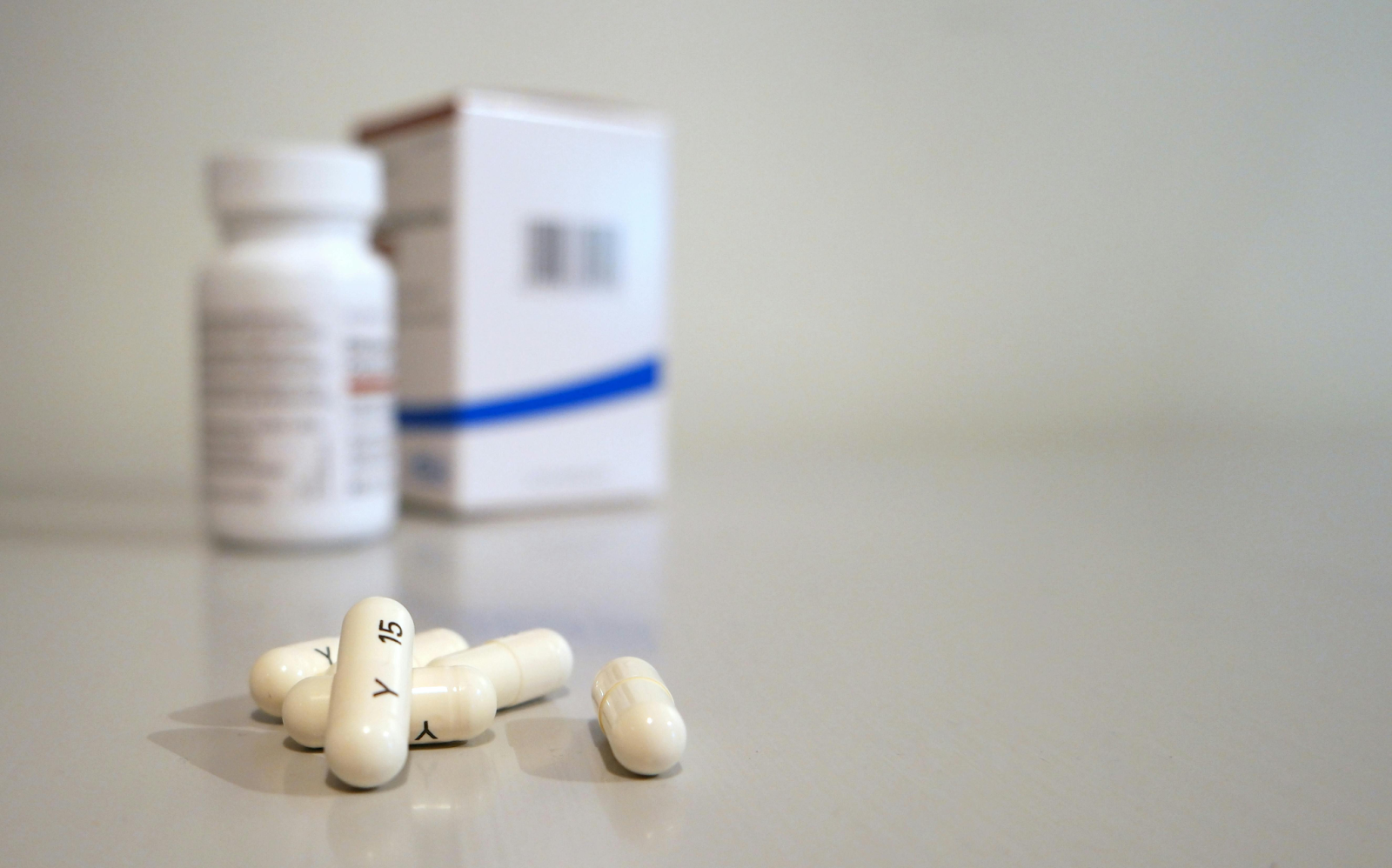
Ever look at a new weight loss medication and think, “Okay… is this actually safe for my patient?” You’re not alone. Seriously, even doctors have second thoughts before intervening. These medications are very effective; however, they do have issues to consider.
Weight-loss drugs do not merely suppress appetite or reduce calorie intake. They can control metabolism, heart function, digestive organs, and even mood. That is why the concept of determining a drug’s safety is much deeper than analyzing its label. It’s a detailed, careful process that requires thorough attention.
Side Effects Aren’t Always Predictable
Every drug comes with side effects, right? That’s not news. But with new weight loss medications, some side effects only show up once more people use them in the real world.
An example is to consider Wegovy weight loss medication. In most patients, this medication has positive outcomes, but some also develop nausea, digestive problems, or a change in appetite. The difficult thing is that you cannot know in advance who will be affected by what. That is why clinicians discuss such risks at the first stage, and patients are strictly monitored. It is always better to be prepared than to be taken off guard.
Don’t Forget About Interactions
Interactions can be sneaky. A person may be taking supplements, over-the-counter medications, or other prescriptions, and then the new medication will act differently. Clinicians usually go through everything a patient takes, line by line. It’s meticulous, yes—but necessary. Especially with weight loss medications that affect metabolism or appetite, a small interaction can matter.
Look at the Data
Clinical trial results are a key part of the picture. They demonstrate the effectiveness of a particular drug, its tolerability in patients, and the side effects that may occur. However, remember, experiments are carried out in controlled conditions. After the medication is applied in the real world, new effects or difficulties are sometimes observed that were not observed in the studies.
A responsible doctor will review the study’s size, the population, and the follow-up information. Post-market surveillance and follow-up information are also very important. It is a combination of evidence and experience.
Dose, Timing, and Follow-Up
The way a drug is to be taken can make all the difference. This can be taken in increasing dosages or at selected intervals to reduce the side effects. Safety must include instructions as well as red tape.
Follow-ups are also important when the patient has already started taking the medication. Observation of weight, blood pressure, lab results, and side effects would be useful for diagnosing problems at an early stage. Sometimes a minor alteration in dosage or time can result in significant variation in the prevention of future complications.
Minorities Require Extra Attention
There are even more specific groups that need more attention. The human body of some groups can respond to new drugs in different ways, e.g., that of young adults, older patients, or patients with other health problems. The individualized approach to monitoring and evaluating such patients will help minimize risks, simplify the treatment process, and make it more efficient and effective.

Why This Matters
Weight loss medications can be transformative. However, their advantages will not count unless they are safe. A careful, reflective attitude minimizes risks and makes patients feel supported. Use Wegovy, a weight-loss drug, as an example. It is highly effective, but only when combined with close supervision and frequent follow-up. Finally, safety assessment is not only about avoiding issues but also about helping establish trust, enhance confidence, and achieve long-term outcomes. A safe integration of these medications into a broader, well-rounded health plan is possible when clinicians take a close look at patient history, potential side effects and interactions, and provide continuous monitoring.
About the Author