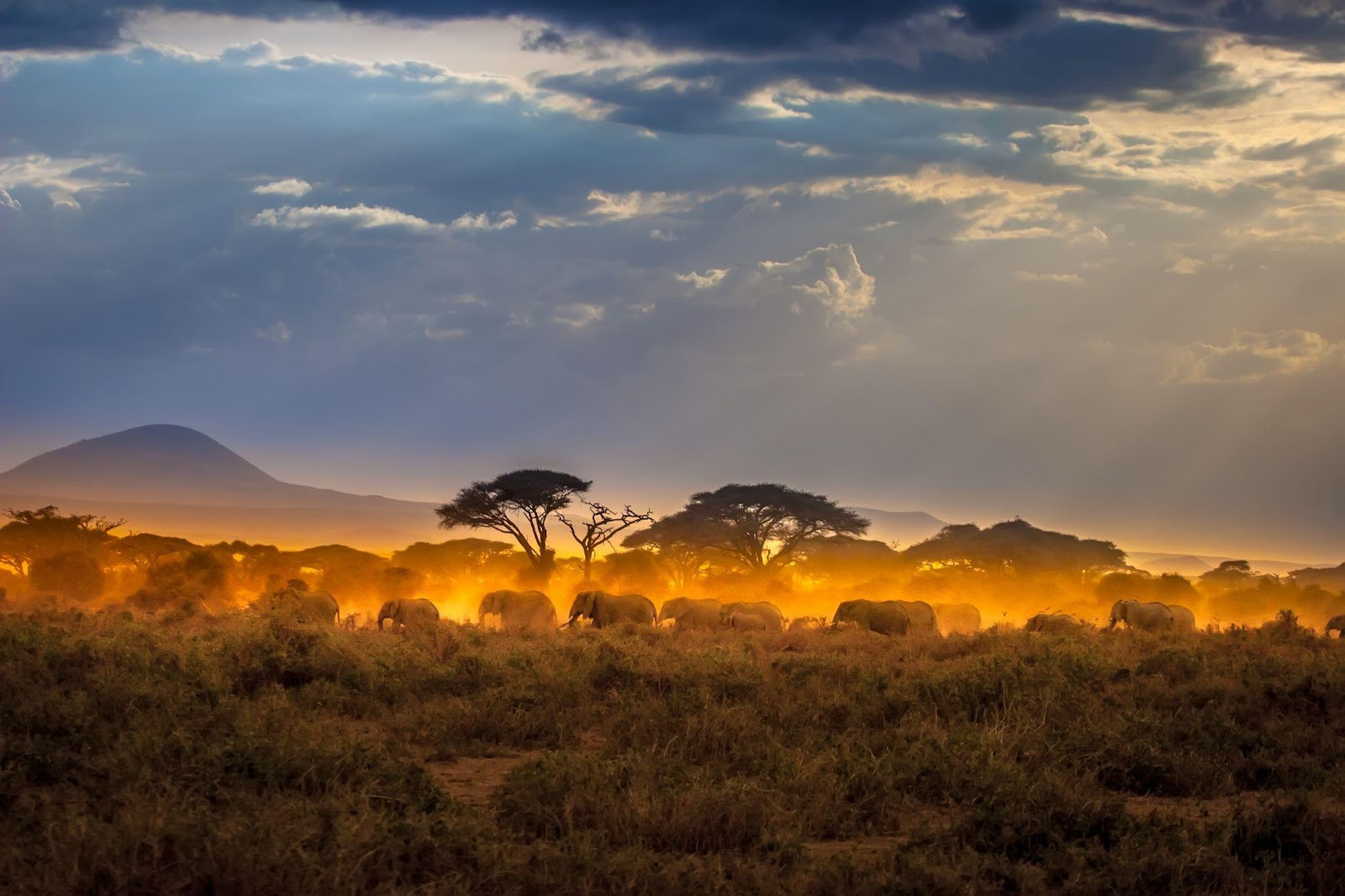
Africa offers some of the world’s most diverse landscapes and experiences, from vast savannahs and wildlife safaris to vibrant cities and historic sites. Alongside the adventure, certain health risks demand careful preparation. Diseases such as yellow fever, hepatitis, and typhoid are present in many regions, and some countries require proof of vaccination for entry. Taking the necessary travel shots and following recommended health precautions safeguards your trip and lets you enjoy every experience.
Key Health Risks for Travellers in Africa
Africa presents diverse health challenges, making pre-travel preparation essential.
- Mosquito-borne illnesses: Diseases like yellow fever and malaria are widespread in many regions.
- Variable immunization requirements: Travel vaccine requirements differ between countries, so knowing what is needed is critical.
- Limited healthcare access: In rural or remote areas, medical facilities may be scarce. Prevention is often your strongest protection.
Must-Have Travel Shots for Africa Travel Health
A consultation with an immunization clinic will help you tailor your vaccine plan, but certain travel shots for Africa are recommended for most travellers:
- Yellow Fever Vaccine
The yellow fever vaccine is required for entry into several African countries and provides long-lasting protection with a single dose. According to the CDC Yellow Book, travelers should receive the vaccine at least ten days before departure to ensure full immunity. In addition, it’s essential to carry an International Certificate of Vaccination (Yellow Card), as many nations enforce proof of vaccination for entry.
- Routine Vaccines
Routine vaccines such as MMR (measles, mumps, rubella), tetanus, polio, and diphtheria should also be up to date. Staying current with these vaccines reduces the risk of preventable infections while traveling in unfamiliar environments.
- Hepatitis A and B, Typhoid
Vaccines for hepatitis A and B are recommended for most travellers due to varying sanitation and water quality in many regions. These shots protect against infections that are easily contracted through food, water, or close contact. Similarly, typhoid vaccination is important for travellers who plan to eat street food, visit rural areas, or stay with local households. Typhoid vaccines are available in both oral and injectable forms.
- Meningitis
For travellers heading through the meningitis belt of Africa, a region that stretches across sub-Saharan countries including Burkina Faso, Chad, Ethiopia, Mali, Niger, Nigeria, and Sudan, immunization against meningococcal meningitis is highly recommended. This serious bacterial infection can cause life-threatening inflammation of the brain and spinal cord, and spreads quickly in crowded conditions. Vaccination is especially important during the dry season, typically from December to June, when the risk of outbreaks is highest.
- Rabies
If you’re planning to visit remote areas, work with animals, or interact with wildlife such as bats, monkeys, or stray dogs, a rabies vaccine is strongly recommended. Rabies is a viral infection that affects the nervous system and is almost always fatal once symptoms appear, making prevention critical. Pre-exposure vaccination significantly reduces the risk of infection and can simplify post-exposure treatment if a bite or scratch occurs. The vaccine is typically administered in a series of doses over a few weeks, and travelers should discuss timing and follow-up boosters with a healthcare provider to ensure full protection before departure.
Timing Your Vaccines
- Plan ahead: Visit an immunization clinic 4–6 weeks before departure to complete vaccine schedules.
- Last-minute travel: Some vaccines, like yellow fever, can be administered closer to your departure, though full protection may take time.
- Documentation: For yellow fever, you’ll need an International Certificate of Vaccination to enter certain countries.
Choosing the Right Immunization Clinic
There are many travel clinics available, but not all provide the same level of guidance or specialized care. Picking the right clinic ensures you get personalized recommendations, the proper travel shots, and the documentation needed for a safe trip. Consider the following when selecting a clinic:
- Select a clinic experienced in travel vaccines.
- Provide your full itinerary and activities so your healthcare provider can tailor recommendations.
- Ask about accelerated vaccine schedules if time is short.
- Make sure to obtain all necessary travel documents, such as proof of vaccination.
Protecting Yourself Beyond Vaccines
Vaccines are crucial, but additional precautions help keep you safe:
- Use mosquito repellent and sleep under a net or in an air-conditioned room.
- Take malaria prophylaxis if recommended for your destination.
- Stay cautious with food and water, and carry a basic first-aid kit.
Final Thoughts
Travelling to Africa requires careful preparation to stay healthy and comply with local requirements. Securing the appropriate travel shots, such as the yellow fever vaccine, and consulting a qualified immunization clinic are essential steps for any itinerary. Alongside vaccines, taking preventive measures against mosquito-borne and other infectious diseases provides comprehensive protection. With these precautions in place, travellers can confidently explore Africa’s diverse landscapes, rich wildlife, and vibrant cultures, knowing their health is safeguarded throughout the journey.
About the Author