The seasonal flu is a common respiratory illness that many people experience as a mild inconvenience. For some individuals, however, an infection can lead to serious health problems, hospitalisation, and further complications. This is particularly true for those with underlying health conditions or weakened immune systems. Protecting these groups is a community-wide effort, and vaccination is a simple, effective measure that can make a significant difference.
Each year, the flu virus changes, which is why a new vaccine is developed for each flu season. Getting vaccinated helps to lower the chances of catching the flu and can also reduce the severity of the illness if you do become infected. It is a proactive step towards maintaining health throughout the winter months.
Who Is Most at Risk From the Flu?
Certain groups of people are more susceptible to the severe effects of the flu. Their bodies may find it harder to fight off the infection, increasing their risk of developing more serious conditions like pneumonia or bronchitis. These groups typically include:
- Older persons, as the immune system naturally becomes less effective with age.
- People of any age with long-term health conditions, such as asthma, heart disease, diabetes, or chronic kidney disease.
- Pregnant women, as pregnancy affects the immune system, heart, and lungs.
- Individuals living in long-stay residential care facilities.
- Those with a weakened immune system due to a medical condition or treatment.
For these individuals, what might be a mild illness for others can pose a substantial health threat. Even if a chronic condition is well-managed, contracting the flu can make it worse.
How the Flu Vaccine Supports Your Health
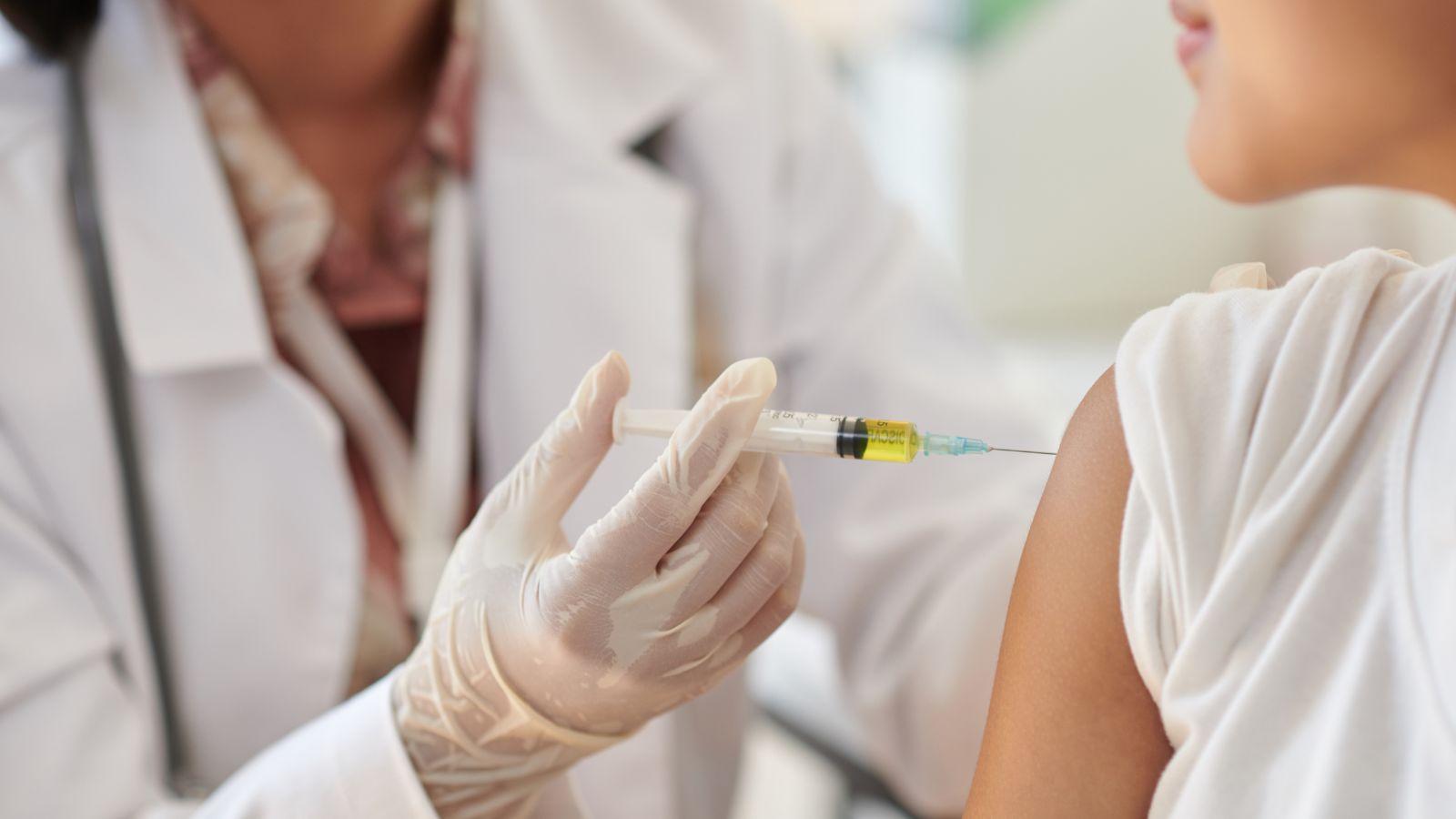
The flu vaccine works by preparing your immune system to recognise and fight the influenza virus. It contains an inactivated or weakened form of the virus that cannot cause the flu itself. When you receive the vaccine, your body responds by producing antibodies. These antibodies are proteins that are specifically designed to target and neutralise the flu virus.
It takes about two weeks for your body to build up full protection after vaccination. If you are exposed to the flu virus later, your immune system will recognise it and deploy these antibodies to fight it off. This response helps to prevent infection or make the illness much milder than it would have been otherwise.
The Impact of Flu on Individuals With Health Conditions
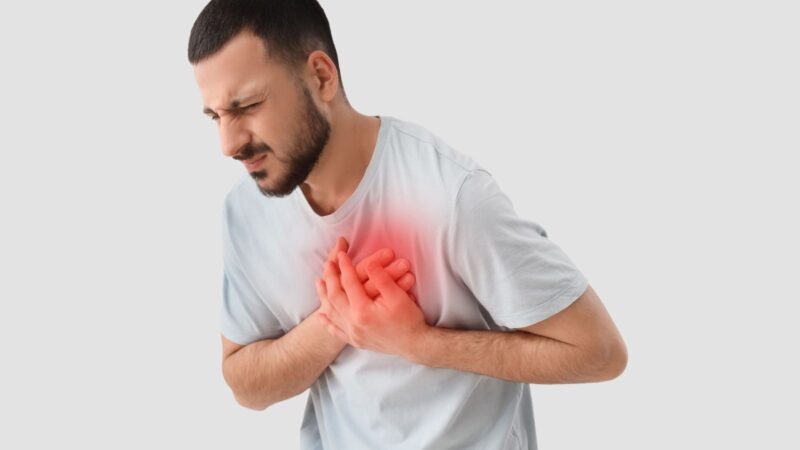
For someone with a chronic health issue, the flu can disrupt the management of their condition and lead to a rapid decline in health. An infection can place significant extra strain on the body’s systems. For example, it can cause inflammation in the airways, which is especially dangerous for people with asthma or other respiratory diseases. In people with heart disease, the flu can increase the risk of a heart attack or stroke.
Consider an older person who lives with well-managed diabetes. If they catch the flu, the illness can make it difficult to control their blood sugar levels, leading to them becoming unstable. The body’s effort to fight the infection can cause further stress, potentially resulting in complications that require a hospital stay. This shows how a common virus can quickly become a serious medical event for those with existing health vulnerabilities.
Protecting the Wider Community
When you get vaccinated, you are not just protecting yourself. You are also helping to reduce the spread of the virus to others in your community. This is especially important for protecting those who are unable to get the vaccine or for whom it may be less effective. When a large portion of the population is vaccinated, the virus has fewer people to infect, which slows its spread.
This community-level protection is vital for safeguarding the most vulnerable members of society. Thinking about preventative measures is a key part of personal health planning. For family members and carers of older individuals, promoting flu vaccination awareness for older persons is a meaningful way to support their well-being. Taking this step helps ensure a healthier environment for everyone.
About the Author