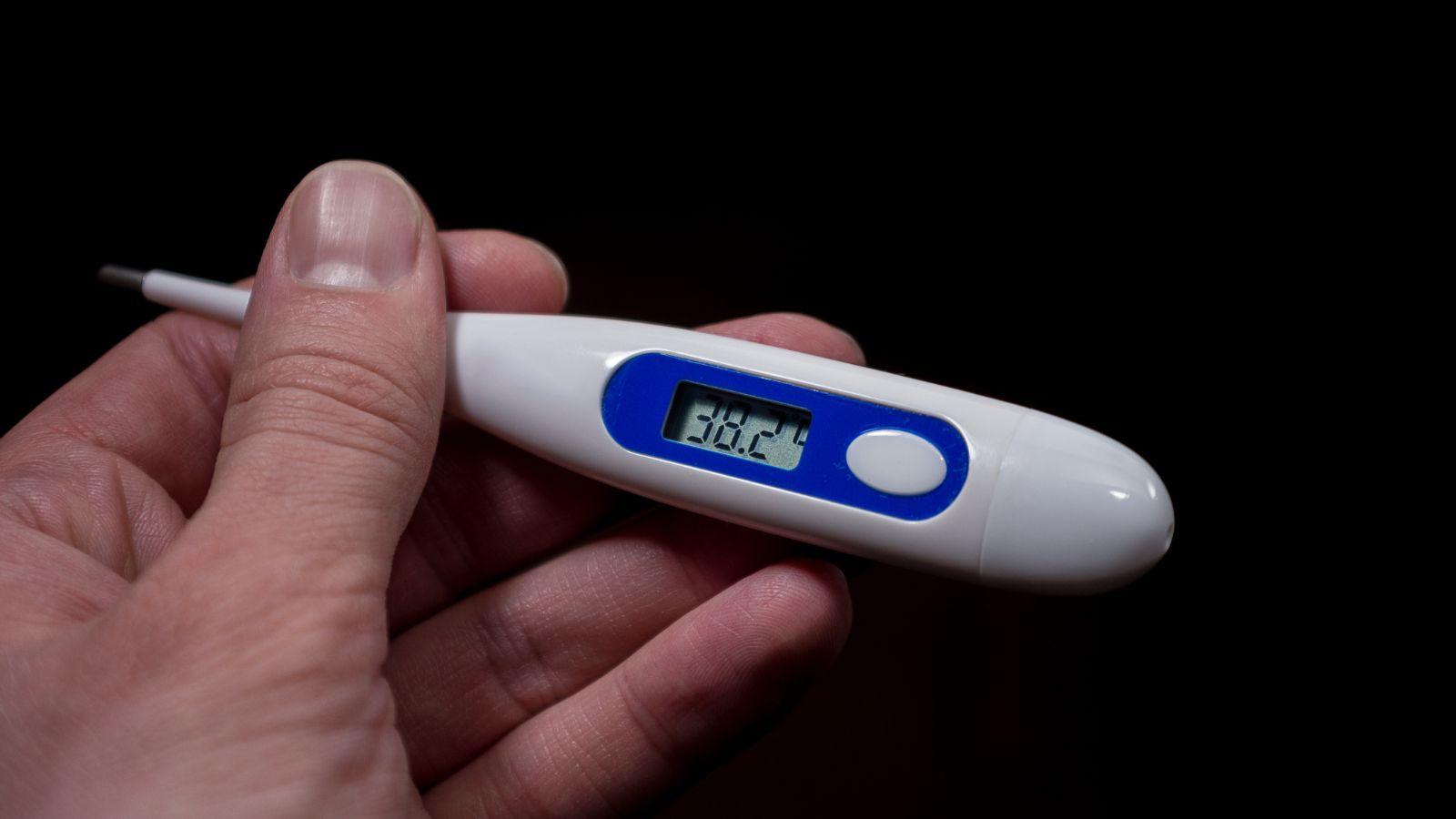
A fever is a temporary rise in body temperature, usually occurring when the body fights an infection. Most fevers from common illnesses like colds or viral infections last a few days before improving. Duration can vary depending on the cause, age, and overall health. Some fevers resolve quickly with rest and hydration, while others may persist and need medical attention. Knowing how long a fever typically lasts helps you understand what to expect and when to seek care.
If a fever persists or worsens, visiting St. Michael’s Elite Hospital can provide proper evaluation and ensure timely treatment.
What Is a Fever?
A fever occurs when the body’s temperature rises above the normal range, usually as a response to infection or inflammation. The average body temperature is around 98.6°F (37°C), and a fever is typically considered a temperature of 100.4°F (38°C) or higher. Fevers are part of the body’s natural defense system and helps fight off harmful viruses or bacteria. While they can feel uncomfortable, they often indicate that the immune system is actively working to protect the body. For persistent or severe fevers, contact us to seek proper evaluation and care.
Fever Symptoms
Fever can cause several noticeable symptoms as the body responds to infection.
● High body temperature above the normal range
● Chills and sweating as the body attempts to regulate temperature
● Headache and body aches due to the immune response
● Fatigue or weakness that makes normal activities difficult
● Loss of appetite or general discomfort
These symptoms can vary in intensity depending on the cause of the fever and the individual’s health. For severe or persistent symptoms, visiting Sugar Land Hospital ensures proper evaluation and care.
How Long Does a Fever Usually Last?
The duration of a fever varies, lasting from a day or two to several days, depending on the cause and the person.
Fever Duration in Adults
In adults, fevers caused by viral infections such as the common cold or flu typically last about 2 to 3 days. During this time, the immune system is actively fighting the infection, and the temperature gradually returns to normal as recovery begins.
If a fever lasts longer than three to five days, it may indicate a more serious infection or another medical condition. Persistent fevers should be monitored closely, especially if they are accompanied by worsening symptoms like severe fatigue, chest discomfort, or dehydration.
Fever Duration in Children
Children often experience fevers more frequently because their immune systems are still developing. In many cases, a child’s fever from a mild viral illness may last 1 to 3 days and improve as the body fights the infection.
However, fevers in children can sometimes rise quickly and cause concern for parents. If a fever lasts more than three days, becomes very high, or is accompanied by symptoms such as difficulty breathing, persistent vomiting, or unusual sleepiness, medical evaluation may be necessary.
Causes of Fever

Fever can develop for many reasons, usually as the body responds to infection or inflammation.
● Viral Infections: Common colds, flu, and other viral illnesses can raise body temperature. Fevers usually improve as the infection clears.
● Bacterial Infections: Throat infections, UTIs, or pneumonia can cause longer-lasting fevers and may need medical attention.
● Flu & Respiratory Illnesses: Influenza or bronchitis often causes fever with cough, congestion, and body aches.
● Foodborne Illness: Contaminated food can trigger fever, nausea, and stomach discomfort, usually improving as symptoms resolve.
● Inflammatory or Immune Conditions: Fevers can result from inflammation or immune responses, not just infections.
Treatment Options
Managing a fever often focuses on comfort and supporting the body while it fights the underlying illness.
● Rest: Allowing the body to rest helps the immune system recover more effectively and reduces strain on the body.
● Hydration: Drinking plenty of fluids such as water, soups, or electrolyte drinks helps prevent dehydration caused by sweating and increased body temperature.
● Cooling Methods: Wearing lightweight clothing, using a cool compress, or staying in a comfortable environment can help reduce discomfort from fever.
● Monitoring Symptoms: Keeping track of temperature and other symptoms helps determine whether the fever is improving or requires medical attention.
● Medical Evaluation: If symptoms worsen or the fever persists longer than expected, a healthcare professional can help determine the underlying cause.
When to Go to the ER?
While many fevers improve on their own, certain warning signs require immediate medical attention.
● Fever higher than 103°F (39.4°C) in adults
● Fever lasting more than three to five days
● Difficulty breathing or chest pain
● Severe headache or stiff neck
● Confusion, seizures, or unusual drowsiness
● Signs of dehydration, such as very little urination or extreme thirst
These symptoms may indicate a more serious condition and should be evaluated by medical professionals as soon as possible.
About the Author