
Arthritis is not a single disease; it is a term used to describe joint inflammation. There are more than 100 different types of arthritis, but seven are most commonly diagnosed. These include osteoarthritis, rheumatoid arthritis, psoriatic arthritis, gout, lupus, ankylosing spondylitis, and juvenile arthritis. Each type has different causes, symptoms, and treatment approaches.
Understanding these differences is essential for proper diagnosis and management. If you experience persistent joint pain, swelling, or sudden severe symptoms, seeking prompt evaluation at a trusted Emergency Room in Lubbock can help ensure timely diagnosis and appropriate care.
What Is Arthritis?
Arthritis refers to inflammation of one or more joints, causing pain, swelling, stiffness, and reduced range of motion. Some types develop from wear and tear, while others occur when the immune system attacks healthy joint tissue. If symptoms are sudden or severe, visiting Neighbors Emergency Center can help ensure timely evaluation and care.
Common symptoms include:
● Joint pain
● Swelling
● Stiffness (especially in the morning)
● Redness or warmth around joints
● Decreased mobility
The 7 Types of Arthritis
1. Osteoarthritis
Osteoarthritis is the most common type of arthritis and is often referred to as “wear-and-tear” arthritis. It develops gradually when the protective cartilage that cushions the ends of bones breaks down over time. As the cartilage wears away, bones begin to rub against each other, leading to pain, stiffness, and reduced joint movement.
Causes:
● Wear and tear of cartilage over time
● Aging
● Previous joint injuries
● Obesity
● Repetitive joint stress
Symptoms:
● Joint pain that worsens with activity
● Reduced flexibility
● Mild swelling
● Cracking or grinding sensation in joints
2. Rheumatoid Arthritis
Rheumatoid arthritis is an autoimmune condition in which the immune system mistakenly attacks the lining of the joints. This causes inflammation, swelling, and progressive joint damage. Unlike osteoarthritis, it does not result from wear and tear but from immune system dysfunction.
Causes:
● Autoimmune reaction (the immune system attacks the joint lining)
● Genetic predisposition
● Environmental triggers
Symptoms:
● Swollen, tender joints
● Morning stiffness lasting over 30 minutes
● Fatigue
● Symmetrical joint pain (both sides of the body)
● Fever in some cases
3. Psoriatic Arthritis
Psoriatic arthritis is an inflammatory arthritis that occurs in some individuals who have psoriasis, a chronic skin condition. It affects both the skin and joints and can range from mild to severe. The condition may develop years after skin symptoms appear or, in some cases, before them.
Causes:
● Autoimmune response
● History of psoriasis
● Genetic factors
Symptoms:
● Joint pain and swelling
● Skin rashes with red, scaly patches
● Nail pitting or separation
● Swelling of entire fingers or toes (sausage-like appearance)
4. Gout
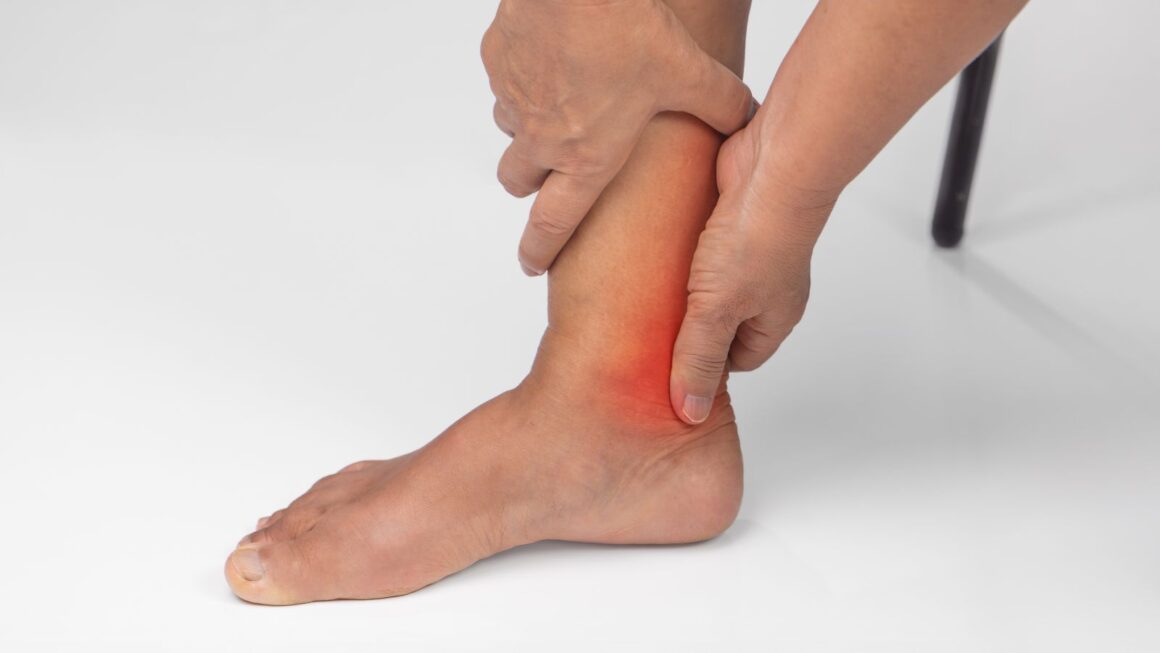
Gout is a type of inflammatory arthritis caused by the buildup of uric acid crystals in the joints. When uric acid levels become too high, sharp crystals form and trigger sudden and intense pain. Gout often develops quickly and may come in recurring attacks.
Causes:
● High levels of uric acid in the blood
● A diet high in red meat or alcohol
● Kidney problems
● Family history
Symptoms:
● Sudden and severe joint pain
● Redness and warmth
● Swelling, often in the big toe
● Pain that peaks within hours
5. Lupus
Lupus is a systemic autoimmune disease that can affect multiple organs, including the joints. Joint pain is one of the most common symptoms, but unlike some other forms of arthritis, lupus-related joint damage is usually less destructive. However, the condition can impact the skin, kidneys, heart, and lungs.
Causes:
● Autoimmune dysfunction
● Hormonal factors
● Genetic predisposition
Symptoms:
● Joint pain and stiffness
● Fatigue
● Butterfly-shaped facial rash
● Sensitivity to sunlight
● Fever
6. Ankylosing Spondylitis
Ankylosing spondylitis primarily affects the spine and sacroiliac joints. It is an inflammatory condition that can cause chronic back pain and stiffness. Over time, severe inflammation may lead to the fusion of spinal bones, reducing flexibility.
Causes:
● Autoimmune inflammation
● Genetic marker (HLA-B27 gene)
Symptoms:
● Chronic lower back pain
● Stiffness improves with movement
● Reduced spinal flexibility
● Fatigue
● Pain in the hips or shoulders
7. Juvenile Arthritis
Juvenile arthritis refers to arthritis that develops in children under the age of 16. It is usually autoimmune in nature and can affect one or multiple joints. Early diagnosis and treatment are important to prevent long-term complications and growth issues.
Causes:
● Autoimmune response
● Genetic factors
Symptoms:
● Joint swelling
● Morning stiffness
● Fever
● Rash
● Growth issues in severe cases
Management and Treatment Options
Treatment depends on the type and severity of arthritis, but may include:
Medications:
● Anti-inflammatory drugs (NSAIDs)
● Corticosteroids
● Disease-modifying antirheumatic drugs (DMARDs)
● Biologic therapies
● Uric acid–lowering medications (for gout)
Physical Therapy:
● Joint-strengthening exercises
● Stretching routines
● Mobility training
Lifestyle Adjustments:
● Maintaining a healthy weight
● Regular low-impact exercise
● Balanced diet
● Avoiding joint overuse
Surgical Options (in severe cases):
● Joint repair
● Joint replacement
● Joint fusion
When to See a Doctor?
You should consult a healthcare provider or contact us if you experience:
● Persistent joint pain lasting more than a few weeks
● Swelling or warmth around joints
● Morning stiffness that does not improve
● Limited joint movement
● Sudden severe joint pain (especially in gout)
● Joint pain with fever or unexplained fatigue
Key Takeaways
Arthritis includes many conditions, but the seven most common types are osteoarthritis, rheumatoid arthritis, psoriatic arthritis, gout, lupus, ankylosing spondylitis, and juvenile arthritis. While they share joint pain as a common symptom, their causes range from wear and tear to autoimmune dysfunction and crystal buildup.
Understanding the symptoms and causes of each type is essential for proper treatment and long-term management. Early medical evaluation, appropriate therapy, and lifestyle adjustments can significantly improve quality of life and help prevent complications.
About the Author