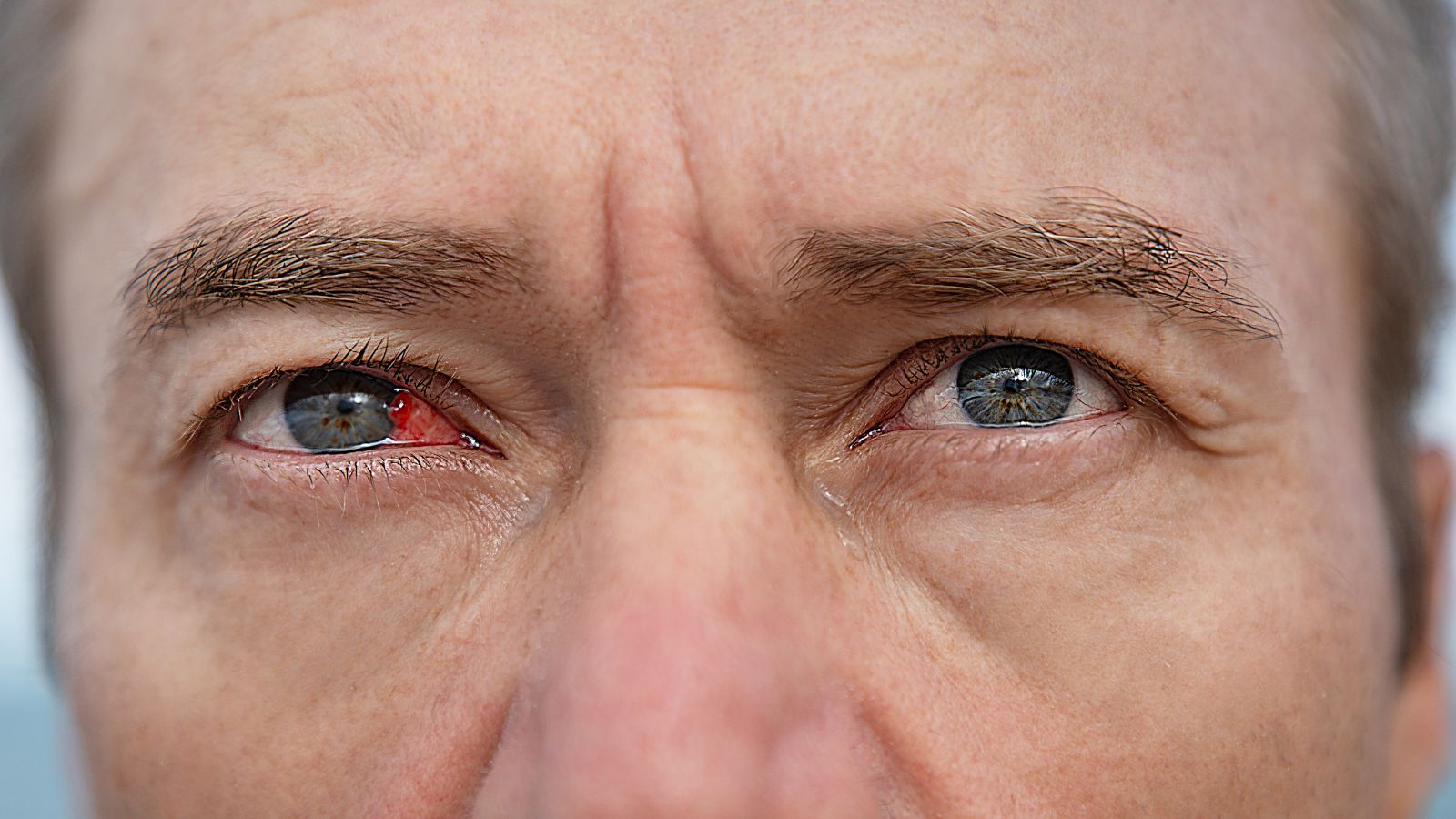
Red eyes can be both uncomfortable and concerning. While occasional redness is common and often harmless, persistent redness may indicate an underlying issue. Many people ask: why are my eyes always red?
Red eyes occur when the tiny blood vessels on the surface of the eyes become dilated or inflamed, making the eyes appear bloodshot. While some causes are minor, others require prompt medical attention. If your eyes remain red for an extended period or are accompanied by pain or vision changes, it’s best to seek evaluation at a trusted Hospital in Lumberton to ensure proper diagnosis and care.
What Causes Red Eyes?
Red eyes result from irritation, inflammation, or infection. The condition can affect anyone and may be temporary or persistent. Common triggers include environmental factors, lifestyle habits, allergies, infections, or underlying medical conditions. Recognizing the cause is crucial for effective treatment. If your eye redness is severe, sudden, or accompanied by pain or vision changes, seeking prompt evaluation at a trusted Altus Emergency Center can help ensure proper diagnosis and timely care.
Common Reasons for Persistent Red Eyes
1. Allergies
Allergic reactions are a leading cause of red eyes. Allergens such as pollen, dust, pet dander, or mold can irritate the eyes, causing redness, itching, and watering. People with chronic allergies may notice that their eyes remain red for weeks at a time. Using antihistamine eye drops, minimizing exposure to allergens, and keeping your home environment clean can significantly reduce redness and discomfort.
2. Dry Eyes
Dry eyes occur when your eyes do not produce enough tears or the tears evaporate too quickly. This condition can cause persistent redness, a burning sensation, and a feeling of grittiness. Contributing factors include aging, certain medications, prolonged screen time, and medical conditions such as Sjögren’s syndrome. Using artificial tears, staying hydrated, and taking screen breaks can help alleviate redness caused by dryness.
3. Eye Strain
Long periods of reading, computer work, or smartphone use can cause eye strain, which reduces blinking and increases dryness, leading to redness. Symptoms often worsen toward the end of the day. Practicing the 20-20-20 rule, looking at something 20 feet away for 20 seconds every 20 minutes, along with proper lighting and posture, can help reduce eye strain and chronic redness.
4. Infections
Eye infections, including conjunctivitis (pink eye) or blepharitis (eyelid inflammation), can cause redness, discharge, and discomfort. Viral infections are highly contagious, while bacterial infections may require antibiotic treatment. Prompt diagnosis and treatment are essential to prevent complications and protect your vision.
5. Environmental Irritants
Exposure to smoke, pollution, chlorine in swimming pools, or chemical fumes can irritate the eyes, causing persistent redness. Even minor irritants can dilate blood vessels and make eyes appear bloodshot. Protecting your eyes with sunglasses or safety eyewear and minimizing exposure to irritants can help maintain eye health.
6. Contact Lens Use
Improper use of contact lenses, such as wearing them too long, not cleaning them properly, or using ill-fitting lenses, can lead to chronic redness and irritation. Contact lens-related irritation may also increase the risk of infection. Following proper hygiene, replacing lenses as recommended, and limiting wear time are key steps to prevent red eyes.
7. Medical Conditions
Certain medical conditions may cause persistent eye redness. These include glaucoma, uveitis, high blood pressure, or autoimmune disorders. Redness associated with these conditions is often accompanied by other symptoms such as eye pain, blurred vision, or halos around lights. Immediate medical evaluation is necessary if these symptoms occur.
Symptoms to Watch For
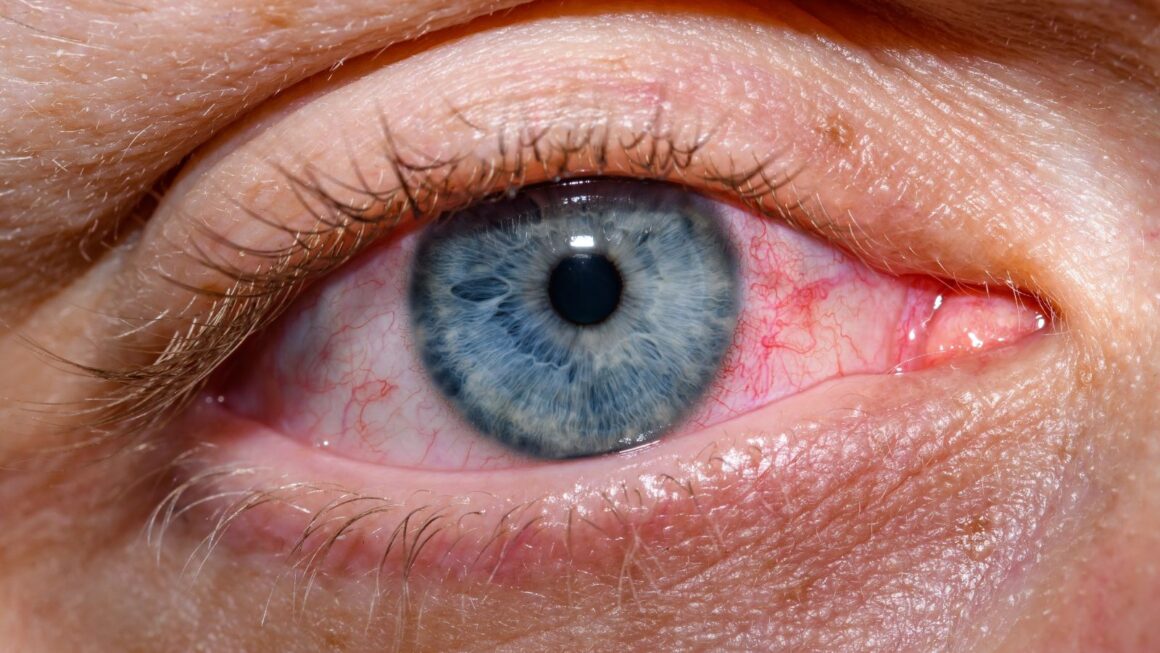
Red eyes may appear along with other warning signs. Seek medical attention if you notice:
● Persistent or worsening redness
● Eye pain or severe discomfort
● Sensitivity to light (photophobia)
● Blurred or impaired vision
● Discharge or crusting around the eyes
Treatment and Relief Options
Treatment depends on the underlying cause:
● Allergies: Antihistamine or lubricating eye drops, avoiding triggers
● Dry Eyes: Artificial tears, hydration, limiting screen time
● Eye Strain: Frequent breaks, proper lighting, and ergonomic adjustments
● Infections: Prescription medications, proper hygiene, and avoiding contact with others
● Irritants: Protective eyewear, avoiding smoke and chemicals
● Contact Lens Issues: Proper cleaning, fitting, and limiting wear time
When to Seek Medical Care
If you experience ongoing redness, discomfort, or additional symptoms, it’s important to contact us for proper evaluation. Immediate attention is needed if you notice:
● Severe or sudden eye pain
● Vision changes
● High sensitivity to light
● Blood in the eye
● Redness accompanied by fever or swelling
Key Takeaways
Persistent red eyes can result from allergies, dry eyes, eye strain, infections, environmental irritants, contact lens issues, or underlying medical conditions. Most cases are treatable with lifestyle changes, eye drops, or medications. Recognizing symptoms early and seeking medical care when necessary can prevent complications, reduce discomfort, and protect your vision.
About the Author