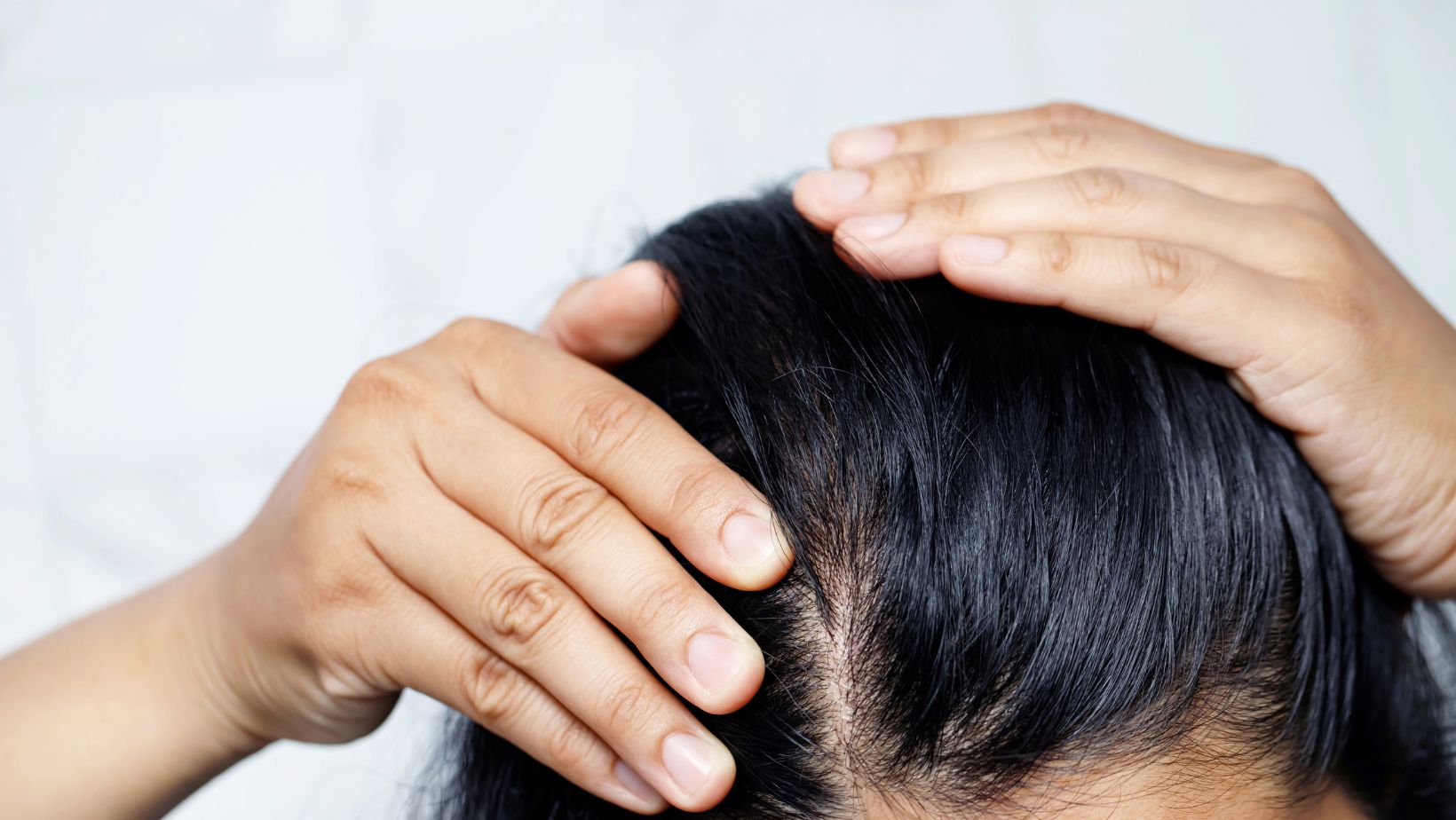
Hair loss affects roughly 85% of men by the time they reach their mid-fifties, and the conversation around treatment options has shifted considerably over the past decade. Where hair transplant surgery was once considered a luxury reserved for those with significant disposable income, the rise of international medical travel has put it within reach for a much broader range of people. US patients are increasingly looking at clinics in Turkey, Mexico, and other destinations where the same procedure costs a fraction of what domestic providers charge.
That shift is real and, for many patients, it makes genuine financial sense. A procedure that runs anywhere from $10,000 to $25,000 at a US clinic often costs between $2,500 and $4,500 abroad, including accommodation and airport transfers. The savings are hard to argue with. But the process of actually getting there safely, choosing the right clinic, and protecting yourself financially involves more than booking a flight and showing up.
This article walks through what US patients need to understand before pursuing a hair transplant abroad, including how to evaluate clinics, what the trip actually looks like, and how services like Doctours have changed the way patients navigate the process.
Why So Many Americans Are Looking Abroad
The domestic hair transplant market has not gotten more affordable over time. Overhead costs, malpractice insurance, and the sheer number of administrative layers built into US healthcare mean that clinics here price accordingly. A procedure that takes a full surgical day and a team of several technicians carries a cost structure that most providers simply cannot bring down to a competitive number.
Countries like Turkey have built entire ecosystems around hair restoration. Istanbul alone is estimated to perform hundreds of thousands of procedures annually, and the concentration of specialists, supporting infrastructure, and competitive pricing has created a market that actively caters to international patients. Clinics there have experience with the logistics of international travel, English-speaking coordinators, and package structures designed to make the process accessible to someone arriving from the US or UK.
For patients who have spent years looking at quotes they cannot afford, the math of traveling abroad is often the first thing that makes the whole idea feel possible.
The Part That Trips People Up: Choosing the Right Clinic
The challenge with going abroad for a hair transplant is not the procedure itself. According to research published in the NIH database on hair transplant complications, the surgery has a low overall risk profile when performed at a reputable facility, with serious complications being rare and the overall minor complication rate sitting at around 0.10% across a study of nearly 3,000 patients. The issue is the wide variation in quality between providers, and the difficulty of evaluating a clinic in another country without being there in person.
There are clinics in Turkey that operate at international medical standards, with credentialed surgeons, proper sterilization protocols, and genuine track records of results. And there are clinics that cut corners on staffing, use technicians with minimal training to perform portions of the procedure, and rely on aggressive online marketing to attract volume. The problem for a patient sitting in the US is that both types of clinic can look similar from the outside.
A few specific things to look at when evaluating any clinic abroad:
Surgeon credentials. In Turkey and most other major destinations, physicians are legally required to make the incisions. Ask specifically who performs each part of the procedure and what qualifications they hold. Be cautious of any clinic that cannot provide a clear answer.
Before-and-after documentation. Look for photos of patients with hair loss patterns similar to yours, taken at consistent intervals after the procedure. Generic result photos or a lack of photos from patients with similar severity of loss are both red flags.
Complication and revision history. A reputable clinic will discuss what happens if a patient is unhappy with their results, what their revision policy is, and how they handle complications. Clinics that deflect these questions are telling you something important.
Payment structure. Be cautious of any clinic asking you to wire money directly to a foreign account or carry cash. Legitimate medical providers have structured payment systems. The currency exchange and transfer risk alone can add unexpected costs to the total.
What the Trip Actually Looks Like
Most hair transplant trips to Turkey follow a fairly consistent schedule. Patients typically arrive a day before the procedure, have the surgery the following morning, return to the clinic the next day for a wash and initial check-up, and fly home on day three or four. Ground transportation between the airport, hotel, and clinic is usually arranged by the clinic or the service coordinating the trip.
The procedure itself is done under local anesthesia. Patients are awake throughout but should not feel pain. The numbing injections at the start are the most uncomfortable part for most people. Afterward, the treated area will be bandaged, and the first few days involve some swelling and redness that typically resolves within a week.
The first month tends to be the psychologically challenging part. Most of the transplanted hair falls out within the first few weeks, which is completely normal and expected. The follicles remain intact beneath the skin. Visible growth generally begins around months three and four, with the most noticeable progress happening between months six and ten. Full results continue developing for up to eighteen months.
The Case for Using a Facilitator
One development that has genuinely changed the experience for US patients is the emergence of medical travel facilitators specializing in hair restoration. Rather than researching clinics independently, negotiating pricing, and handling the logistics of an international trip alone, patients can work with a company that has already done that groundwork.
Doctours operates specifically in the hair transplant space and connects US patients with vetted clinics in its network. Their model involves reviewing patient photos, matching candidates to appropriate clinics, coordinating flights, hotels, and transfers, and providing a care team that stays with the patient before and after the procedure. They also offer financing options, which is uncommon in the medical travel space. For patients whose main barrier has been the upfront cost, spreading payments over time changes the calculation considerably.
The other significant advantage of going through a facilitator is payment protection. Rather than transferring money to a foreign clinic directly, patients pay through Doctours in US dollars, which removes the currency exchange risk and provides a layer of accountability if something goes wrong.
The CDC’s medical tourism guidelines in its Yellow Book for traveling patients specifically note that medical tourists should consider using medical concierge services to identify vetted healthcare professionals. The guidance recommends evaluating not just the procedure but the facility, the follow-up care structure, and the safety infrastructure around the trip itself.
What to Ask Before You Commit to Anything
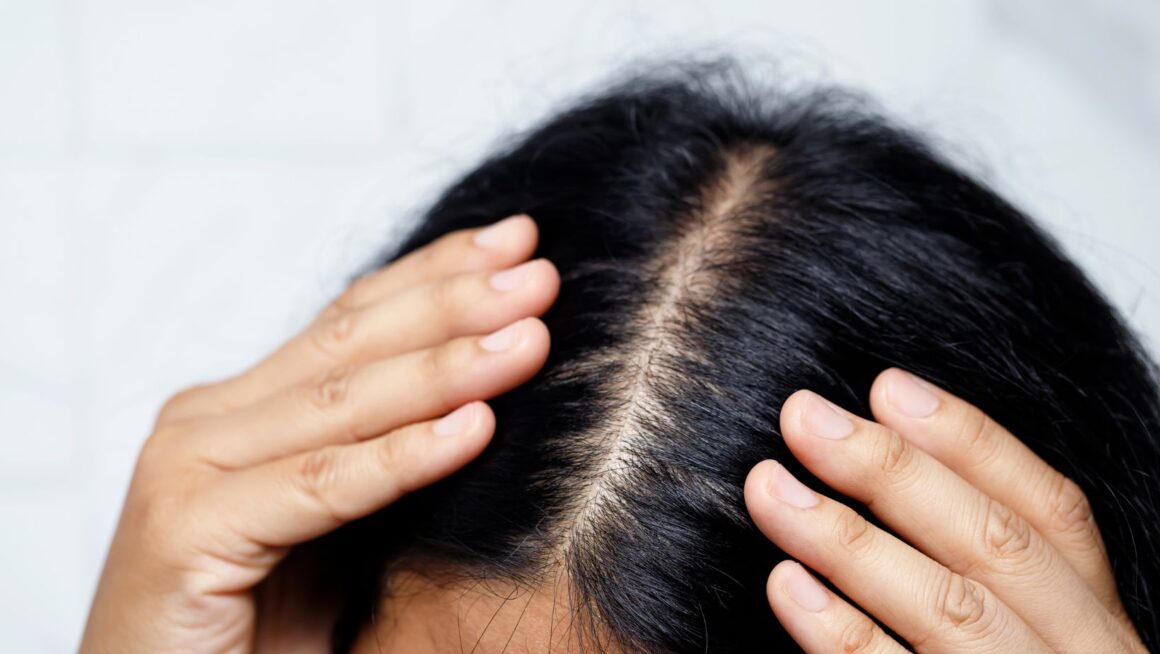
Regardless of whether you go through a facilitator or make contact with a clinic directly, there are several things worth clarifying before you pay anything.
Ask what the total all-in cost is, in US dollars, with every possible add-on spelled out rather than bundled vaguely. Ask who specifically performs each step of the procedure. Ask what happens if you need a touch-up or are not satisfied with the results. Ask how payment is processed and whether there is any refund policy. Ask what aftercare support is available once you return home.
Clinics and facilitators that handle these questions comfortably and with specificity are demonstrating something that matters more than any marketing material they produce.
The Bottom Line
Getting a hair transplant abroad is a legitimate option that has worked well for a large number of US patients. The cost savings are real, the quality at reputable clinics is genuinely high, and the logistics, while unfamiliar, are manageable with the right support in place. The variable that determines whether the experience goes well is almost entirely about the quality of the clinic and the level of coordination around the trip.
Patients who spend time on due diligence, ask the right questions, work with providers who have transparent pricing and clear accountability, and go in with realistic expectations about the timeline for results tend to have good outcomes. Those who make the decision quickly based on the lowest price they can find tend to have a different experience.
If you are seriously considering the option, start by getting a realistic assessment of your candidacy, understanding what the procedure can and cannot deliver for your specific pattern of hair loss, and then evaluating providers based on the factors above rather than cost alone.
About the Author