The problem is that they are trying to run heavy, modern software on ancient hardware. Biologically, the human brain has not changed much in tens of thousands of years. The prefrontal cortex, the part responsible for logic, simply does not understand what to do with thousands of posts and news items per day. When people try to cram the unsqueezable into their limited resources, the system naturally begins to lag. Psychologists call this digital burnout, but in reality, it is simply profound exhaustion from an overload that our nature didn’t anticipate.
Mechanisms of Cognitive Overload
Why is watching videos never a break? Because attention is precious. Every time you check your messenger, your brain wastes energy. Little by little, drip by drip, and by evening, you are a «boiled vegetable».
People have been hooked on dopamine. Social media is designed to create anticipation. You click on a link, hoping for something interesting, but there is no deep rush. There is only a thirst for the next dose of «informational noise». As a result, people just run in circles, forgetting why they picked up their phones in the first place.
The hard truth about mental exhaustion – you cannot identify it right away. It is a cumulative process that begins with a mild concentration malfunction and can culminate in severe depression. It is important to recognize what exactly acts as a signal for our nervous system and can send early signs, preventing you from developing chronic stress. There are a few indicators that represent a mental state that is on the verge of exhaustion and requires immediate rest from the digital space:
- Difficulty concentrating. You read the same paragraph several times without understanding the meaning.
- Emotional instability. Outbursts of irritation over trivial matters or unreasonable feelings of anxiety.
- Sleep disturbances. Despite extreme fatigue, you can’t fall asleep for a long time or constantly wake up, replaying work tasks in your head.
- Cognitive rigidity. Inability to make creative decisions, a feeling of «brain freeze».
- Decreased empathy. Feeling detached from loved ones and colleagues, social withdrawal.
- Psychosomatic symptoms. tension headaches, neck pain, and digestive issues.
If you have noticed that you have at least three of these symptoms, it is a clear sign that your usual methods of «relaxing» in front of the TV or on your mobile phone are no longer as effective as they used to be. Your brain requires a fundamental change in how it operates.
Professional Burnout in Highly Dynamic Niches
For those who spend their lives in analytics, marketing, and traffic, mental overload is not just fatigue; it is a real threat to your wallet. When the industry changes faster than you can brew a cup of coffee, the pressure on your brain becomes unbearable. You can look at the Pin Up affiliates, for example. Every day is a marathon:
- You need to review mountains of data across dozens of GEOs.
- Keep track of the conversion rate from registration to deposit – Reg2Dep.
- Fight Facebook storms or run traffic through Google UAC.
- Endlessly testing new combinations and funnels.
At this pace, the cost of error is staggering, and competitors are breathing down your neck, so you are always «online». The line between life and work blurs because the stats in your office never sleep.
And if you do not learn to take a breath, that same cognitive paralysis sets in. It is when you are so exhausted that you make stupid decisions and simply waste your budget on a dumpling shop.
Today, learning how to properly relax is as much of a hard skill as setting up a tracker or calculating ROI. It is time to admit: staring at your feed is not relaxation, it’s just another way to fill your head. People need to relearn how to replenish their resources to avoid complete burnout.
Real Relaxation vs Digital Imitation
It is a common situation: your eyes are already drooping from the monitor, you close your work laptop, and immediately open Reels or Telegram on your smartphone. It seems like you have relaxed, but for your brain, it is anything but a rest. You have simply swapped one shovel for another and continued digging the same hole.
Your prefrontal cortex is working at full capacity at this point. It does not care whether it is spreadsheets or cat memes – it is still processing tons of visual noise and social cues.
How Does The Brain Actually Recover?
Let’s be honest: not all methods of «brain-soothing» are created equal. If you break it down, the picture looks like this:
|
Activity |
What’s actually happening |
Real Profit |
|
Scrolling feeds |
Dopamine trap with endless visual clutter |
Zero. You will probably end up feeling even more drained. |
|
Binging shows |
Passive «zoning out» + blue light killing your sleep |
Your brain is idling, but it is not actually recovering. |
|
A good book |
Imagination kicks in; healthy cognitive focus |
Not bad. Solid workout for your brain’s processing power. |
|
Walking without any gadgets |
«Soft attention» takes over |
Great. Your brain finally gets a chance to breathe. |
|
Sleep for at least 8 full hours |
The glymphatic system literally «washes» your brain |
The essential Need. Without this, nothing else matters. |
It is all about the so-called attention restoration theory. To truly recharge, you need to escape the digital noise. Monotonous tasks or a simple walk in the park allow the attention system to recharge. The brain does not need new information; it needs time to digest the old.
The Default Mode Network of the Brain
Do you know what the most underrated discovery in neuroscience over the last twenty years is? It is the default mode network. Essentially, these are the areas of our «processor» that kick into high gear precisely when we’re seemingly doing nothing: staring into space, daydreaming, or just wandering through the park.
But in the digital age, people have trapped themselves. The smartphone has become the perfect default mode killer. Every free minute – in the elevator, in line for coffee, in a taxi is instantly cluttered with the news feed. As a result, the DMN simply does not have time to activate.
And without it, the brain loses crucial functions:
- «Digesting» experience – people stop assimilating what is happening to us.
- Creativity – those epiphanies come not in the office, but in the shower or on a walk.
- Personality and Ethics – self-identification and deep assessment of one’s actions require silence, not content.
The point is simple: by consuming tons of information, people deprive themselves of deep thinking. True relaxation is not scrolling through social media, but good old-fashioned «boredom». Only when the brain becomes bored does it begin to truly create and find solutions to previously seemingly impenetrable impasses.
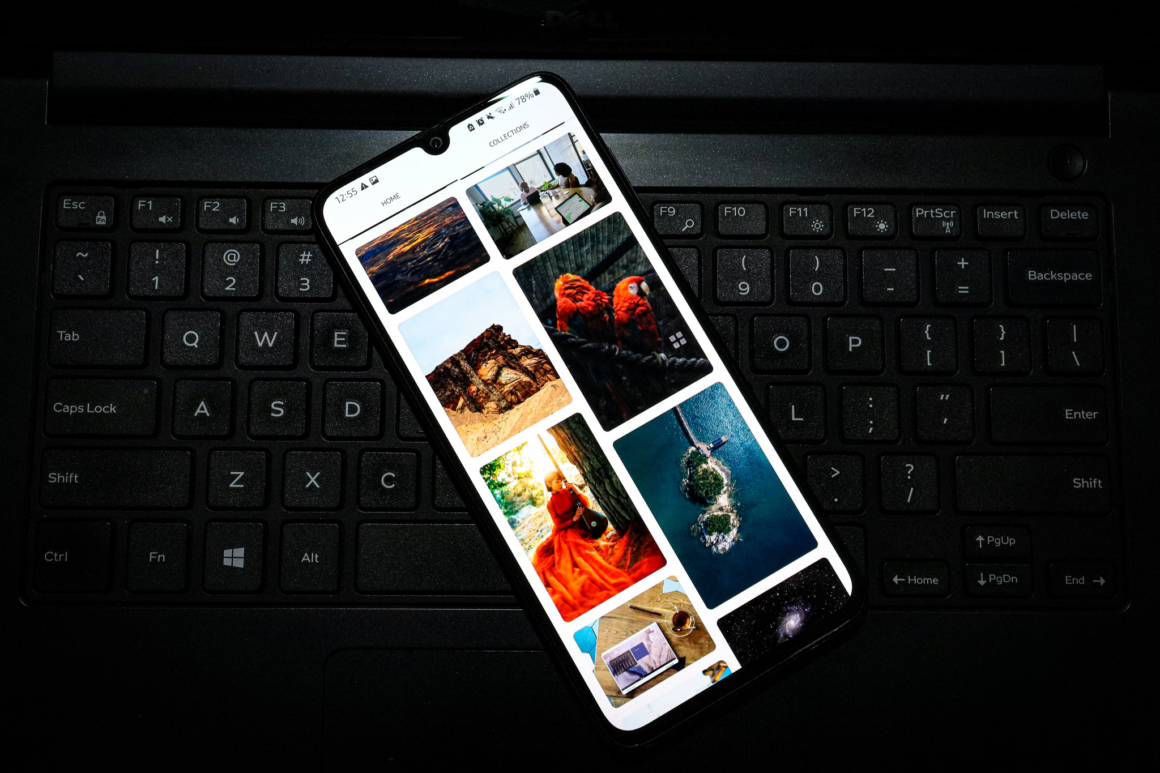
Practical Steps To Overcome Digital Fatigue
You cannot recover your mental state overnight, because it takes more than that – a systematic approach is required. It is impossible to «get a full rest» during a single vacation if you live in an information overload for the remaining 50 weeks of the year. You should develop micro-habits that will protect your brain daily.
To regain control of your attention and cognitive health, we recommend following a proven digital detox algorithm:
- The «first hour» rule. Do not check your phone for 60 minutes after waking up. Allow your brain to gradually transition from delta and theta rhythms to a working state.
- Information post. Choose one day a week (preferably Sunday) when you completely abstain from internet use for personal purposes.
- Physical distancing. While working, put your smartphone in another room or a drawer. Even simply having a phone nearby reduces cognitive performance by 10-15%.
- Radical notification purge. Turn off all push notifications except for calls from loved ones and messages from critical work chats.
- Evening light filter. Two hours before bed, use reading mode or blue-light-blocking glasses to avoid suppressing melatonin production.
- Monotasking as a religion. Train yourself to do only one thing at a time – if you are eating, eat; if you are listening to a podcast, do not scroll through work emails.
These measures may seem radical in a world where «being connected» is considered a virtue. However, in the long run, it is not the person who responds to messages the fastest who wins, but the one who maintains clarity of thought and the ability to concentrate deeply.
About the Author