Healthier-looking skin requires far more than achieving a temporary glow immediately after a facial. A truly resilient complexion is supported by cleaner pores, smoother texture, better hydration, improved product absorption, and a consistent daily skincare routine. For patients at Spring Hill Med Group, professional facial treatments offer a structured approach that goes distinctly beyond basic at-home care. A key advantage of professional treatments is that they can be carefully adjusted based on your specific skin type and sensitivity. Providers tailor each clinical session to address common concerns such as persistent dryness, dullness, clogged pores, or uneven texture, ensuring your skin receives targeted support.
What Are Professional Facial Treatments?
Professional facial treatments are targeted skincare services formally performed by trained aestheticians, dermatology providers, or qualified skincare professionals. Not every facial is exactly the same; some are specifically designed for deep hydration, some target clogged pores, while others soothe sensitive skin or address surface dullness and uneven texture.
A standard professional facial typically includes the following sequence:
- Skin assessment
- Cleansing
- Exfoliation
- Steam
- Extractions, when appropriate
- Masks
- Serums
- Hydration
- SPF
- Device-assisted treatment steps
This structured ten-step framework allows providers to routinely assess and appropriately treat your specific skin profile.
Deep Cleansing Helps Remove Buildup That Daily Washing Can Miss
While daily cleansing at home is undeniably important, standard washing cannot always catch everything. Oil, daily sunscreen, makeup, sweat, dead skin cells, and microscopic environmental buildup can still collect heavily on the skin’s surface over time. Professional cleansing is explicitly designed to remove this stubborn debris and functionally prepare the skin for subsequent treatment steps.
Deep clinical cleansing expertly supports a noticeably fresher-looking complexion by selectively reducing surface buildup, leaving the skin feeling genuinely much cleaner. While this process highly benefits overall skin hygiene, facials are not designed to cure active acne or medically resolve underlying dermatological skin conditions.
Modern Facial Technology Can Improve Treatment Consistency
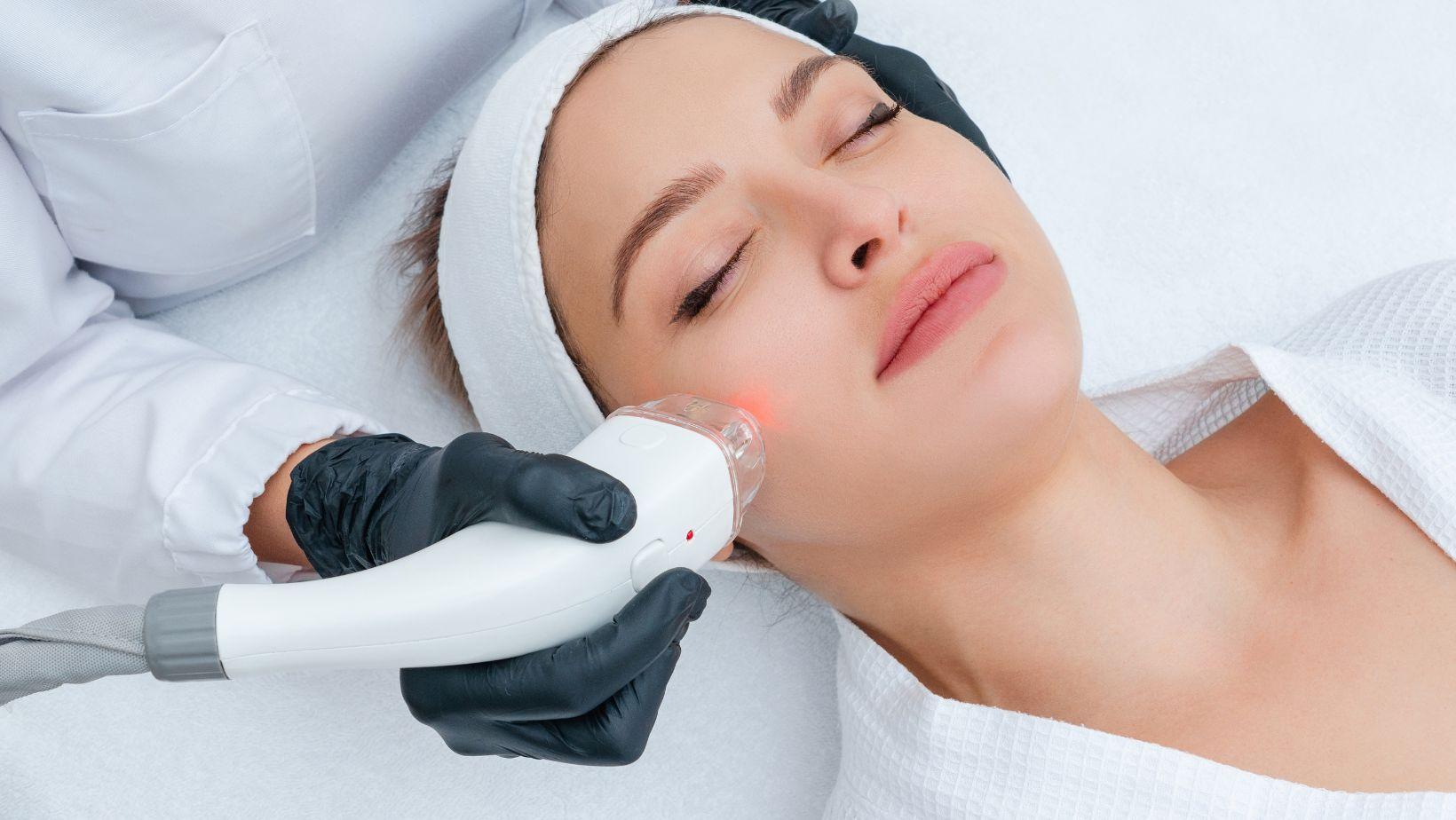
Many professional skincare treatments now use device-assisted steps to make cleansing, exfoliation, extraction, hydration, and serum application more consistent. These tools can help providers control pressure, solution flow, and hydration-focused steps more carefully than manual application alone.
Technology-assisted facials can be especially useful when a provider wants to combine multiple skin-refreshing steps in one appointment. In these settings, a professional hydra facial machine may help providers deliver controlled suction, solution application, and hydration-focused care more consistently.
Device-assisted treatments should still be selected based on skin type, sensitivity, and treatment goals. The goal is not to replace professional judgment, but to support a more controlled and consistent facial experience.
Exfoliation Supports Smoother Texture and Cell Turnover
Exfoliation functionally removes thick layers of dead skin cells resting firmly on the skin’s surface. When these dead skin cells continuously build up over time, the skin may begin to look excessively dull, rough, flaky, or visibly uneven. Professional exfoliation directly counters this by supporting smoother-looking texture and promoting natural cell turnover.
Additionally, this critical step helps your daily skincare products apply much more evenly and absorb efficiently. However, exfoliation must always be carefully customized to the individual. Over-exfoliation can quickly irritate sensitive skin, which is why a professional assessment helps reduce the risk of irritation and supports a more suitable treatment plan.
Hydration Can Improve the Look of Dry or Tired Skin
Hydration is routinely one of the primary reasons your skin usually looks instantly refreshed directly after a professional facial treatment. To achieve this, a trained professional will strategically apply various targeted moisture-binding components during your clinical visit.
A highly thorough hydration sequence often covers:
- Hydrating masks
- Moisturizing serums
- Humectants
- Barrier-supportive ingredients
- Soothing aftercare
By carefully leveraging these specific elements, intense hydration can ultimately help the skin quickly look noticeably plumper, calmer, and significantly less tired. However, it is fundamentally important to remember that visual results naturally vary based heavily on individual skin type and underlying daily routine.
Professional Treatments Can Be Customized to Different Skin Concerns
One major underlying functional benefit of purposefully scheduling professional facial treatments is profound overall customization. Qualified providers meticulously assess your individual baseline profiles and then may accurately adjust the treatment approach specifically for:
- Dry skin
- Oily skin
- Acne-prone skin
- Sensitive skin
- Dull skin
- Uneven texture
- Clogged pores
- Aging-related concerns
By deliberately fine-tuning physical pressure, liquid solution strengths, and device settings, aestheticians can adjust treatments to support safety, comfort, and better cosmetic results. Importantly, individuals dealing with active skin conditions should always thoughtfully speak with a qualified skincare or medical professional before permanently choosing a treatment pathway.
Professional Facials vs At-Home Skincare
At-home daily skincare and structured professional treatments definitively work best together. At-home skincare actively helps maintain essential baseline skin health through regular cleansing, moisturizing, SPF, and targeted products. Meanwhile, professional facials provide far deeper, highly focused treatment steps that may be functionally difficult to perform safely or effectively at home.
Safety, Skin Sensitivity, and Realistic Expectations
While standard professional facial treatments are generally quite low-risk when consistently performed correctly, not every single treatment is perfectly suitable for every person. Individuals should inherently be exceptionally careful if they currently have:
- Active rashes
- Open wounds
- Sunburn
- Severe irritation
- Eczema flare-ups
- Rosacea flare-ups
- Recent cosmetic procedures
- Medication-related skin sensitivity
- Pregnancy-related skincare restrictions
Facials should absolutely not be positioned as a functional cure for baseline medical skin conditions. For isolated cases concerning persistent acne, severe topical irritation, suspected clinical infection, or unusual structural skin changes, readers should immediately consult a dermatologist or a qualified healthcare provider for proper diagnosis.
How Often Should Someone Consider a Facial?
Ideal treatment frequency depends on skin type, personal goals, budget, and provider guidance. A general clinical baseline range spans exactly every 4–6 weeks for many people. Others may definitely need less frequent functional treatments, particularly if managing highly sensitive surface skin or routinely using active ingredients at home. Clinical consistency matters more than blindly overdoing treatments.
Healthier-Looking Skin Comes From Consistency
Professional facial treatments systematically support noticeably healthier-looking skin by actively assisting with deep targeted cleansing, refined rapid exfoliation, dense structural hydration, expert broad customization, and highly consistent clinical care. Ultimately, the best, sustainable long-term aesthetic results typically logically emerge from combining structured scheduled professional treatments with daily broad-spectrum SPF, exceptionally gentle cleansing, regular deep moisturizing, adequate fluid hydration, and thoroughly realistic personal baseline expectations.
About the Author