Getting a good night’s sleep is essential for both physical and mental well-being. However, millions of people struggle with sleep disorders, insomnia, and restless nights. While there are many strategies to improve sleep, one of the most effective and natural remedies is regular exercise. Studies show that physical activity can help individuals fall asleep faster, stay asleep longer, and enjoy deeper rest. This article explores how exercise enhances sleep quality, the best types of workouts for better sleep, and tips for incorporating movement into daily life.
Exercise has a profound impact on the body’s sleep-wake cycle, brain function, and stress regulation. Here are some of the key ways physical activity contributes to better sleep:
1. Regulates the Circadian Rhythm
– The circadian rhythm is the body’s internal clock that regulates sleep and wakefulness.
– Exercise helps reinforce a healthy sleep-wake cycle by increasing morning alertness and promoting nighttime relaxation.
– Studies suggest that morning or afternoon workouts strengthen natural sleep patterns, making it easier to fall asleep and wake up at the same time each day.
2. Reduces Stress and Anxiety
– Cortisol, the body’s primary stress hormone, can disrupt sleep when elevated for extended periods.
– Exercise helps lower cortisol levels, promoting relaxation and reducing symptoms of anxiety and stress, which are common causes of insomnia.
– According to the American Psychological Association, individuals who exercise regularly report lower stress levels and improved sleep quality.
3. Increases Sleep Duration and Quality
– Regular physical activity enhances slow-wave sleep (SWS), also known as deep sleep, which is essential for body repair and immune function.
– A study published in the journal of Sleep Research found that people who engage in moderate-intensity exercise for at least 150 minutes per week experience improved sleep quality and longer sleep duration.
4. Regulates Melatonin Production
– Melatonin is a hormone responsible for inducing sleepiness.
– Exercise promotes natural melatonin production, helping individuals feel drowsy at the appropriate time.
– Outdoor exercise is particularly effective, as exposure to natural light during the day helps regulate melatonin cycles.
5. Improves Overall Physical Health
– Conditions such as obesity, heart disease, and high blood pressure are linked to sleep disturbances.
– Regular exercise supports weight management, cardiovascular health, and overall well-being, reducing the likelihood of sleep disorders like sleep apnea.
Leading Types of Exercise for Sleep Improvement
While all physical activity is beneficial, some types of exercise are particularly effective in promoting restful sleep.
1. Aerobic Exercise (Best for Overall Sleep Quality)
– Running or jogging
– Brisk walking
– Swimming
– Cycling
– Dancing
2. Strength Training (Best for Reducing Stress and Muscle Tension)
– Weight lifting
– Resistance band exercises
– Bodyweight exercises (push-ups, squats, lunges)
3. Yoga and Stretching (Best for Relaxation and Sleep Preparation)
– Yoga combines gentle movement, breathing exercises, and mindfulness, which help reduce stress and improve sleep.

– Stretching before bed relieves muscle tension and promotes relaxation.
4. Mind-Body Exercises (Best for Sleep Disorders and Insomnia)
– Tai Chi: A slow, flowing movement practice that reduces stress and enhances relaxation.
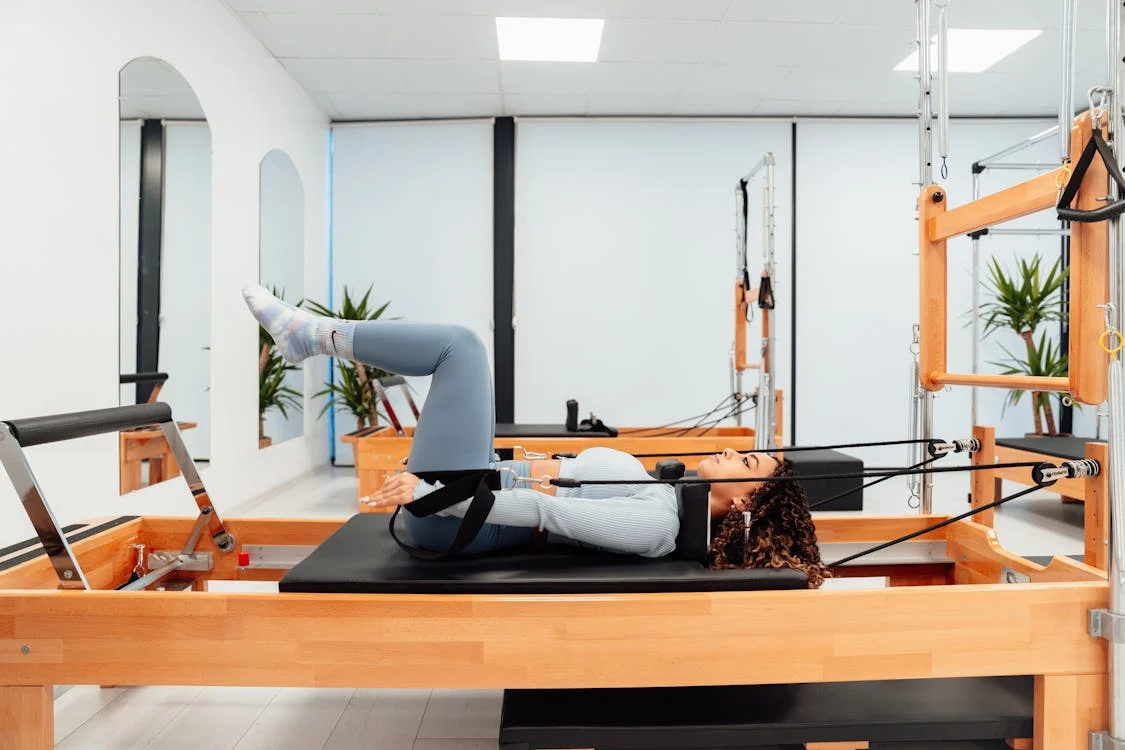
– Pilates: Focuses on controlled breathing and movement, improving flexibility and mental clarity before sleep.
How to Incorporate Exercise Into Your Routine for Better Sleep
1. Exercise at the Right Time
– Morning or afternoon workouts are best for reinforcing the sleep-wake cycle.
– High-intensity exercise before bed can be stimulating, so aim to finish workouts at least 2-3 hours before bedtime.
2. Make Exercise a Habit
– Aim for at least 30 minutes of moderate exercise most days of the week.
– Consistency is key—exercising sporadically won’t have the same sleep benefits as a regular routine.
3. Use Exercise as a Stress Reliever
– After a stressful day, a light evening walk, gentle yoga, or deep stretching can help the body relax and prepare for sleep.
– Avoid heavy workouts too close to bedtime, as they might increase alertness and delay sleep onset.
4. Combine Exercise with Other Sleep Hygiene Practices
– Establish a relaxing nighttime routine, such as reading, dimming the lights, or practicing meditation.
– Avoid caffeine and electronic screens before bed, as these can interfere with melatonin production.
Final Thoughts
Regular exercise is a natural and effective way to improve sleep quality. By reducing stress, regulating the circadian rhythm, and promoting deep sleep, physical activity helps individuals fall asleep faster, stay asleep longer, and wake up feeling refreshed. Whether it’s an aerobic workout, yoga session, or strength training routine, incorporating movement into daily life can lead to better sleep and overall well-being.
If you’re struggling with sleep, try adding regular physical activity to your routine—it may be the key to unlocking a restful and rejuvenating night’s sleep!
About the Author