
| Summary: Bronchitis causes inflammation of the bronchial tubes, which results in persistent coughing because the lungs attempt to expel mucus. Most bronchitis coughs last 2–3 weeks, though some may continue longer while airways heal. The body requires rest and hydration, together with humid air and smoke avoidance, to recover from illness. Medical help should be sought when people experience severe symptoms or when they cough for more than 4 to 5 weeks. |
People who experience coughing that lasts for multiple weeks. The condition appears to be harmless at first because it produces only a mild throat irritation that follows a cold. The cough remained active for you through multiple weeks, which disturbed your sleep patterns, work activities, and your ability to hold basic conversations.
The question of how long your cough will last has puzzled many people just like you. Extended coughing represents a common condition for people who develop bronchitis.
The condition resolves itself as time progresses, but people who lack knowledge about typical recovery timeframes will find it impossible to predict its duration.
The study will investigate bronchitis coughs, which establishes their typical duration while showing ways to help your recovery process.
First, What exactly is Bronchitis?
Bronchitis occurs when the bronchial tubes, which function as airways for lung respiration, experience inflammation. Your body produces increased mucus when these tubes become irritated because this condition prompts your body to react. The mucus causes you to cough while your lungs attempt to remove all substances from your system.
Most times, bronchitis occurs as a secondary condition that follows a respiratory infection that begins with a cold or flu. The body experiences existing inflammation, while the bronchial tubes become affected by additional bronchial tube irritation.
You start to cough a lot suddenly.
The cough can manifest as a dry scratchy sound, or it can produce deep chesty sounds that contain mucus. The cough has become the main symptom that people use to identify the condition.
So… How Long Does a Bronchitis Cough Last?
The brief response reveals that most bronchitis coughs persist for two to three weeks.
The cough duration reaches an average value, but individual experiences differ because some patients will recover earlier, while others experience cough symptoms for four weeks or longer.
What causes the prolonged duration of this condition?
The airways maintain their sensitivity and inflamed state even after the infection has been completely resolved. A scraped knee functions as a comparison. The skin has started to heal, yet it will remain sensitive for some time. Your bronchial tubes work the same way.
Your lungs take time to calm down, which causes your coughing to continue.
The situation becomes unusual because your body feels normal, but you experience it. The experience includes no fever, no body aches, and only the persistent cough that remains.
The Typical Timeline of a Bronchitis Cough
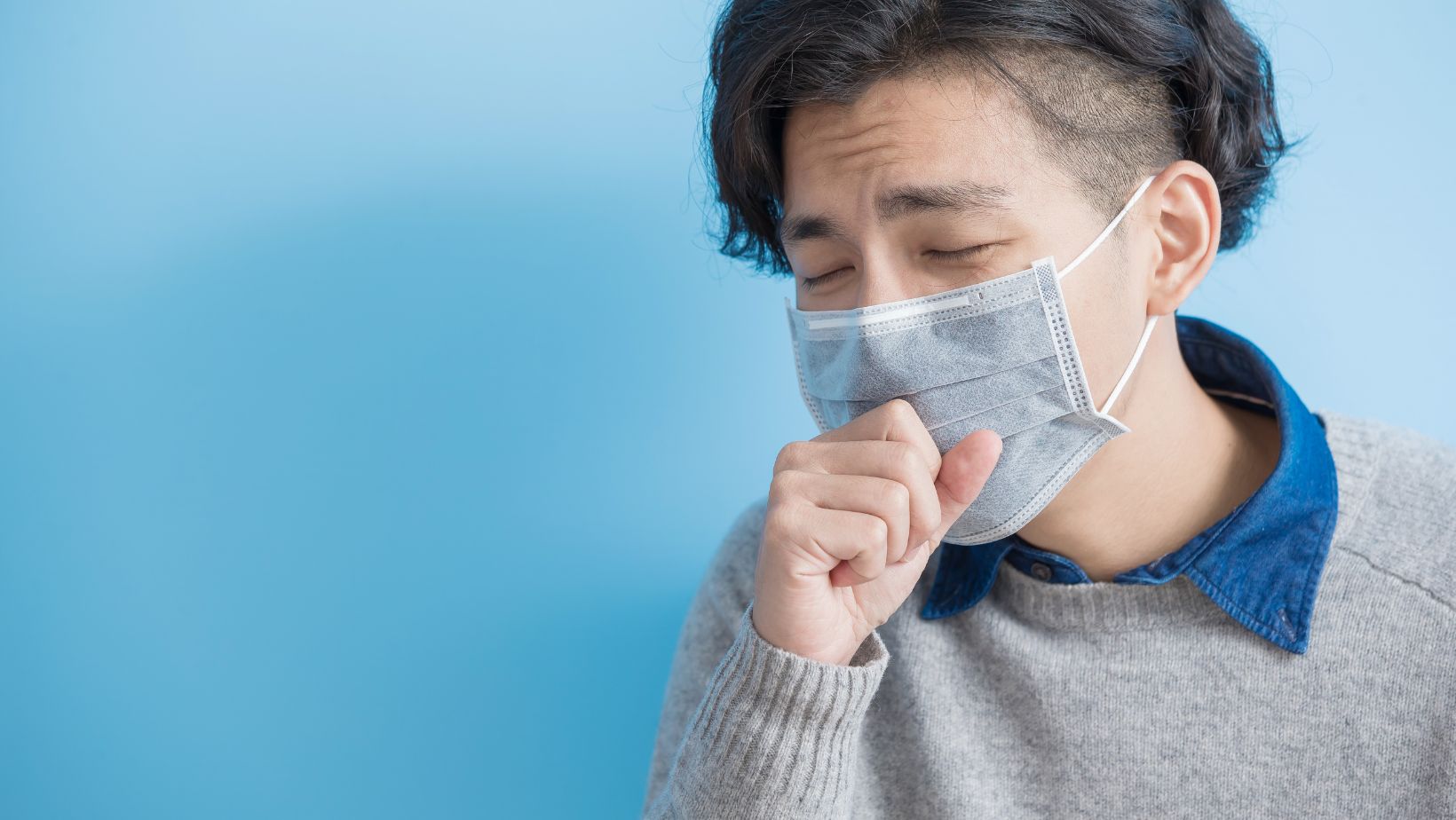
The experience becomes easier to manage through understanding the various stages.
Week 1: The Start
The cough remains common during cold and respiratory infection development. You might notice: A sore throat, mild fever or chills, chest discomfort, fatigue. At this stage, the cough begins as dry but becomes productive through mucus accumulation.
Week 2: The Peak
This is usually when the cough feels the most intense. Your chest might feel tight. Coughing fits can come in waves, especially at night or early in the morning. The condition develops through talking and laughing and exposure to cold air. Many people worry at this point that something is wrong, but in most cases, this is a normal part of bronchitis recovery.
Week 3 and Beyond: The Slow Fade
After three weeks, most people will have resolved their infection. The body continues to heal, but the airways require additional time for recovery. The cough will stop occurring at certain times during your day. The cough becomes frequent during nighttime hours. The body will stop the coughing process through lung function restoration. People need to develop patience at this point.
Why Some Bronchitis Coughs Last Longer
The timing of each cough process differs from other coughs, which occur at specific times. The recovery process becomes extended through multiple factors that affect its duration. The airways maintain their state of irritation because of smoke exposure and smoking activities. The presence of air pollution, together with allergens, will cause an increase in coughing.
The healing process requires additional time because of weakened immune system functions. The lungs require additional time to complete their self-repair process. People with asthma or sensitive lungs will experience a prolonged cough after they recover from bronchitis.
When Should You See a Doctor?
Most bronchitis coughs improve on their own. But there are certain signs you shouldn’t ignore.
You should consider medical care if you experience:
- A cough lasting longer than 4–5 weeks
- High fever
- Shortness of breath
- Chest pain when breathing
- Blood in mucus
- Severe fatigue that doesn’t improve
These symptoms could suggest something more serious than typical bronchitis.
Simple Ways to Calm a Bronchitis Cough
While your body heals, there are a few things that may help ease the irritation.
- Stay hydrated. Warm liquids like herbal tea or broth can help thin mucus and soothe the throat.
- Use a humidifier. Moist air can reduce airway irritation and make breathing more comfortable.
- Rest when possible. Your immune system works best when your body gets enough sleep.
- Avoid smoke and pollutants. Even small exposures can worsen coughing.
And most importantly, give your lungs time to recover.
Supporting Your Gut and Immune System During Recovery
Many people don’t realize that the gut and immune system are deeply connected. The body will respond to infections more effectively when the gut microbiome is balanced.
Probiotics of high quality provide essential support for this purpose. The products work to maintain digestive balance while protecting overall immune system function. The product helps maintain a healthy gut environment, which enables your body to build stronger immune defenses that it needs to recover from respiratory illnesses such as bronchitis.
The Bottom Line
Bronchitis coughs create persistent, troublesome symptoms that can lead to exhaustion. Your lungs perform their natural function of mucus removal while they recover from inflammation. The typical duration of a cough for most people extends from two to three weeks, which continues until their airways start to heal.
The key is to maintain patient behavior. You should maintain hydration levels while taking breaks and practicing healthful activities to support your body during recovery. People should contact a doctor when their cough continues beyond normal limits or if they develop new health problems.
Your lungs maintain their daily performance throughout the entire day. When you provide your lungs with the necessary treatment, they will recover more easily and enable you to regain normal breathing.
Give your immune system the support it deserves.
FAQs
1. How long does a bronchitis cough usually last?
The duration of coughing from bronchitis lasts between two and three weeks, while some instances extend until the airways completely heal after four weeks or more.
2. Why does the cough continue after other symptoms disappear?
The active infection keeps going, which results in persistent bronchial tube inflammation that makes these tubes prone to further infections.
3. What can help reduce a bronchitis cough?
People with irritated airways experience relief through the consumption of warm liquids, the operation of humidifiers, and the practice of restful activities while staying away from smoke and air pollution.
4. When should I see a doctor for a bronchitis cough?
You should see a doctor when your cough continues beyond 4 to 5 weeks, and you develop high fever, chest pain, shortness of breath, and blood in your mucus.
5. Can lifestyle or environment affect recovery time?
Yes. The combination of smoking, pollution, allergies, weak immunity, and asthma causes an extended bronchitis cough, which results in airway irritation.
About the Author