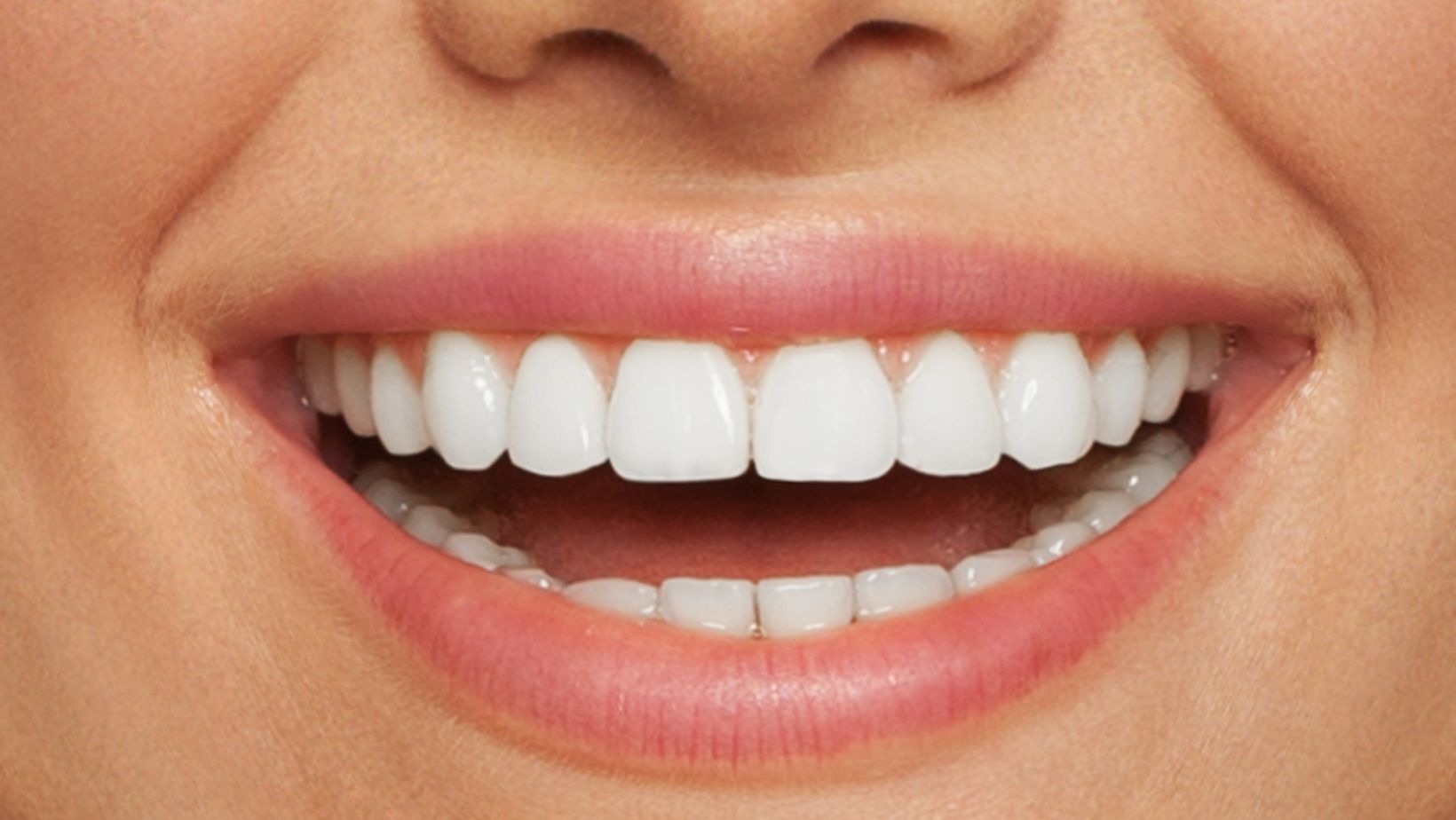
If you have teeth that seem beyond saving, modern implant dentistry in Chula Vista offers real solutions. Today’s dental implants can replace hopeless teeth with natural-looking, long-lasting results that restore your smile and function. This approach often combines advanced digital technology with expert care to make the process smoother and more predictable.
You don’t have to live with pain or missing teeth. Implant therapy can work for a single tooth or a full set, giving you options that fit your needs. High-tech tools help dentists plan and place implants precisely, so your treatment can be quicker and more comfortable than before.
Understanding Hopeless Teeth in Chula Vista
Hopeless teeth are those damaged beyond repair and unable to function properly. Knowing what causes this severe damage, what happens if you ignore it, and how to spot it early can help you make better choices for your dental health.
Common Causes of Severely Damaged Teeth
Severely damaged or hopeless teeth usually result from advanced decay or infections. Deep cavities that reach the tooth’s core cause nerve damage and weaken the tooth structure. Gum disease that destroys the support around teeth can also make them loose and unsalvageable.
Other causes include trauma from accidents or repeated stress, such as grinding your teeth. Poor dental hygiene and missed dental visits increase the risk of these problems. Smoking and some medical conditions can speed up decay and gum breakdown, making teeth more likely to become hopeless.
Consequences of Untreated Dental Issues
If you ignore hopeless teeth, you risk pain and worsening infections. The infected area can spread to your jawbone or other parts of the head and neck, which may require more complex treatments later. Loose or broken teeth affect your ability to chew and speak clearly.
Leaving these teeth untreated also harms your smile’s appearance and can cause nearby teeth to shift. This may lead to bite problems and further dental issues. The longer you wait, the more difficult and expensive the treatment will become.
Signs and Symptoms of Non-Restorable Teeth
You may notice persistent pain in one or more teeth, especially when chewing or exposed to hot and cold. Severe swelling or pus around a tooth shows infection that usually means the tooth cannot be saved. Mobility or looseness of a tooth is a key sign of damaged support structures.
Discoloration, deep cracks, or large cavities that expose the tooth’s inner layers suggest advanced damage. Sometimes, teeth may no longer be visible as they break down close to the gum line. If you experience these symptoms, it is important to consult your dentist quickly.
How Modern Implant Dentistry Transforms Solutions
Modern implant dentistry provides reliable options for teeth that might otherwise be considered hopeless. It offers better function, improved comfort, and lasting results. You can expect treatments that match your needs with advanced techniques.
Advantages of Dental Implants Over Traditional Methods
Dental implants replace missing or damaged teeth without affecting nearby healthy teeth. Unlike dentures or bridges, implants are fixed into your jawbone, which means they feel and work more like natural teeth. You don’t have to worry about slippage or discomfort during eating or speaking.
Implants also help preserve your jawbone. When a tooth is lost, the bone can shrink over time. Implants stimulate the bone and prevent this bone loss, keeping your face shape intact. This is something dentures and bridges cannot do.
State-of-the-Art Implant Procedures Available
Today’s implant procedures use advanced technology like 3D imaging and guided surgery. These tools create precise treatment plans tailored to your mouth. This precision lowers risks and speeds up healing.
Minimally invasive surgery is common, reducing pain and recovery time. Some patients qualify for immediate implants, meaning the implant can be placed right after tooth extraction. This shortens your overall treatment time. Your dentist will also use biocompatible materials to reduce the chance of rejection or infection.
Longevity and Durability of Implants
With proper care, dental implants can last 20 years or more, often a lifetime. The materials used, usually titanium or zirconia, resist corrosion and wear. Implants do not decay like natural teeth, but you still need good oral hygiene to keep gums healthy around them.
Regular dental visits help ensure early detection of any issues. Unlike other restorations, implants provide a strong foundation that helps you chew with full force. This durability makes them a cost-effective solution over time.
Patient Experience and Results in Chula Vista
You will go through a detailed process to ensure your treatment fits your needs. Recovery plans are made just for you, and many patients in Chula Vista have shared their positive outcomes. This section explains what to expect from start to finish.
Consultation and Treatment Planning Process
During your first visit, the dentist will examine your mouth and take scans or x-rays. This helps identify which teeth are truly hopeless and which can be saved. You will discuss different treatment options, including the possibility of removing bad teeth and replacing them with implants.
Your dentist creates a step-by-step plan just for you. This plan often starts with cleaning out decay or infection before any surgery. You’ll understand the timeline, costs, and what to expect during healing. Clear communication at this stage helps reduce anxiety about the process.
Personalized Recovery and Aftercare
After treatment, your dentist gives you specific instructions for care. This includes advice on diet, oral hygiene, and pain management. Follow-up visits are scheduled to check on healing and to adjust your new implants if needed.
Your recovery is carefully monitored to prevent infection or other problems. If you have any issues, the dental team is ready to help quickly. Good aftercare makes it more likely your implants will last a long time and work well in your mouth.
Real-Life Success Stories
Many patients in Chula Vista have benefited from modern implant dentistry. For example, one patient had several hopeless teeth removed and received implants that look and feel natural. They report better chewing and a more confident smile.
Another patient appreciated the painless process and personalized care. They noted that the detailed consultation helped them feel prepared and comfortable. These success stories show that even severe dental problems can have positive outcomes with the right treatment plan.
About the Author