Key Highlights
- Osteopathy focuses on how the body’s structure supports overall movement and function.
- Assessment considers joints, muscles, connective tissue, and posture together.
- Hands-on techniques aim to reduce restriction and improve mobility.
- Seeing an osteopath in Sydney may support recovery from injury and ongoing musculoskeletal discomfort.
Musculoskeletal discomfort is one of the most common reasons people seek healthcare. Back pain, neck tension, joint stiffness, and recurring soft tissue strain can affect work, exercise, and daily comfort. While these symptoms may begin gradually, they often reflect underlying movement restrictions or biomechanical imbalance.
Osteopathy is a form of manual healthcare that focuses on the relationship between structure and function. Rather than treating isolated symptoms alone, osteopaths assess how different areas of the body interact. This broader perspective is central to understanding its role in musculoskeletal care.
For individuals managing ongoing discomfort or recovering from injury, osteopathic assessment offers a structured and hands-on approach.
A whole-body approach to assessment
Osteopathy is grounded in the principle that the body functions as an integrated system. Pain in one region may be influenced by restrictions elsewhere. For example, lower back discomfort may relate to hip stiffness, pelvic alignment, or thoracic spine mobility.
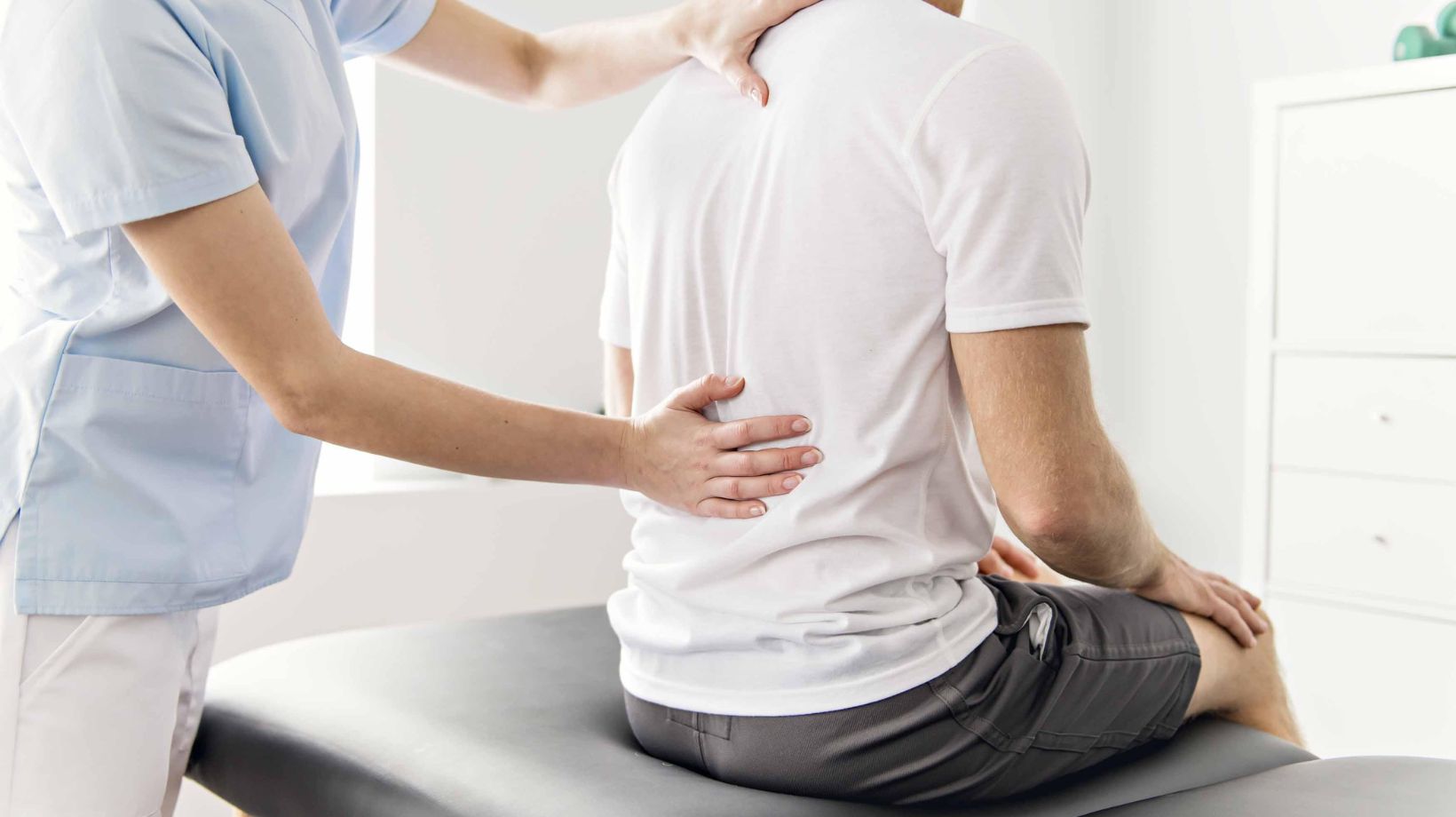
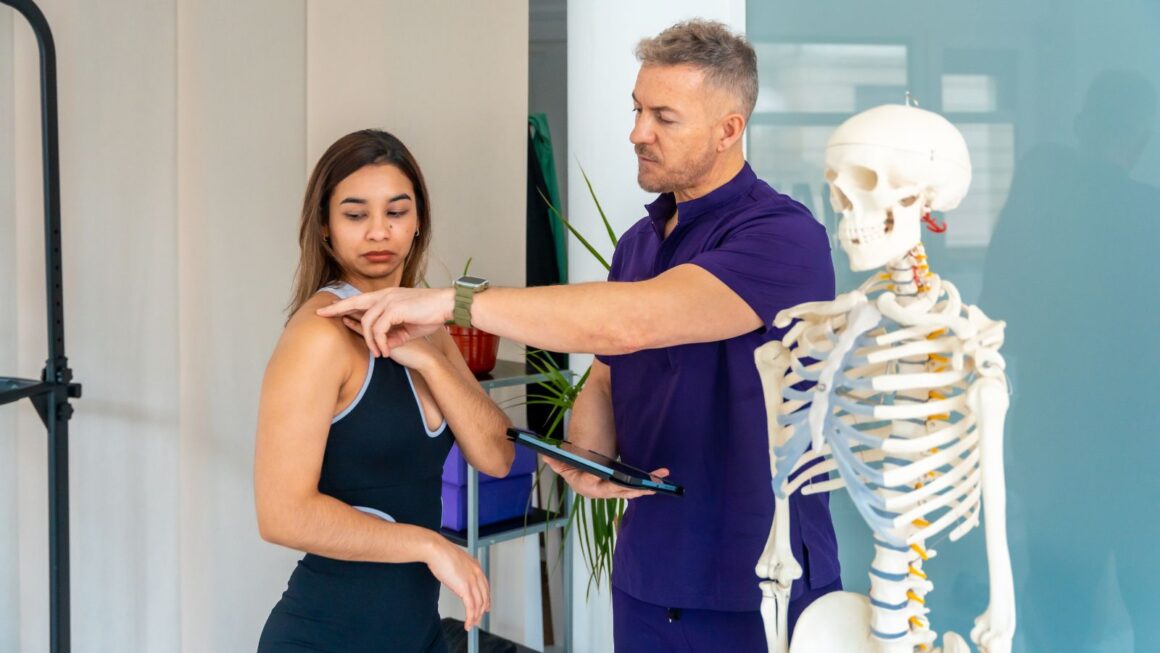
During an appointment, an osteopath will take a detailed history and conduct a physical examination. This may include observing posture, assessing joint range of motion, testing muscle strength, and identifying areas of tenderness or restriction.
The aim is to understand not only where pain is felt, but why it may have developed.
Hands-on treatment techniques
Osteopaths use a range of manual techniques tailored to individual presentation. These can include joint mobilisation, soft tissue massage, stretching, and gentle articulatory movements.
Treatment seeks to improve joint mobility, reduce muscle tension, and support circulation to affected tissues. Techniques are adjusted depending on age, comfort level, and specific condition.
The goal is to restore more balanced movement patterns and reduce strain on overloaded areas.
Common conditions managed
Osteopathy is commonly sought for back and neck pain, headaches linked to muscle tension, shoulder discomfort, hip and knee strain, and sports-related injuries.
It may also assist individuals experiencing postural strain from desk-based work or repetitive occupational demands. In many cases, symptoms develop over time due to accumulated stress rather than a single injury.
Early intervention can prevent minor issues from progressing into more persistent patterns.
Supporting recovery and rehabilitation
Following injury, whether from sport, lifting, or everyday activity, restricted movement can delay recovery. Scar tissue formation, protective muscle guarding, and altered biomechanics often contribute to lingering discomfort.
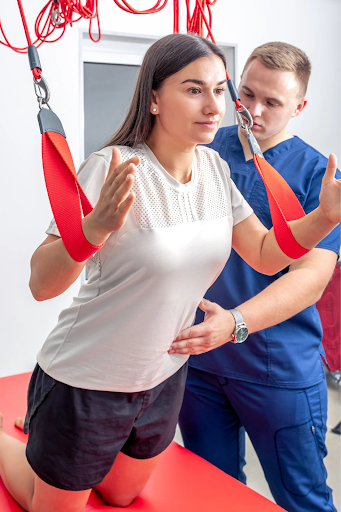
Osteopathic treatment may support rehabilitation by encouraging appropriate joint motion and reducing compensatory tension. Advice on exercises and ergonomic adjustments often forms part of ongoing care.
This combination of manual therapy and practical guidance supports longer-term improvement.
Preventative musculoskeletal care
Not all patients seek osteopathy because of acute pain. Some attend regularly to maintain mobility and manage chronic patterns before flare-ups occur.
Preventative care may involve addressing postural imbalances, improving flexibility, and identifying areas of mechanical stress. For individuals with physically demanding jobs or high training loads, regular assessment can help reduce risk of overuse injuries.
A proactive approach often leads to more sustainable musculoskeletal health.
Integration with broader healthcare
Osteopaths are trained to recognise when symptoms require referral to other healthcare professionals. If presentation suggests underlying pathology beyond musculoskeletal strain, appropriate medical investigation is recommended.
Osteopathy can complement physiotherapy, general practice, and other allied health services. Collaboration ensures patients receive comprehensive care suited to their needs.
Clear communication between providers supports safer outcomes.
When to consider an appointment
If discomfort persists beyond a few days, limits daily activity, or recurs frequently, professional evaluation is reasonable. Restricted movement, ongoing stiffness, or pain that affects sleep are common indicators for assessment.
Consulting an osteopath in Sydney provides access to structured evaluation and hands-on management tailored to individual presentation.
Understanding the role of osteopathy in musculoskeletal care allows patients to make informed decisions about managing pain, improving mobility, and supporting long-term physical function.
About the Author