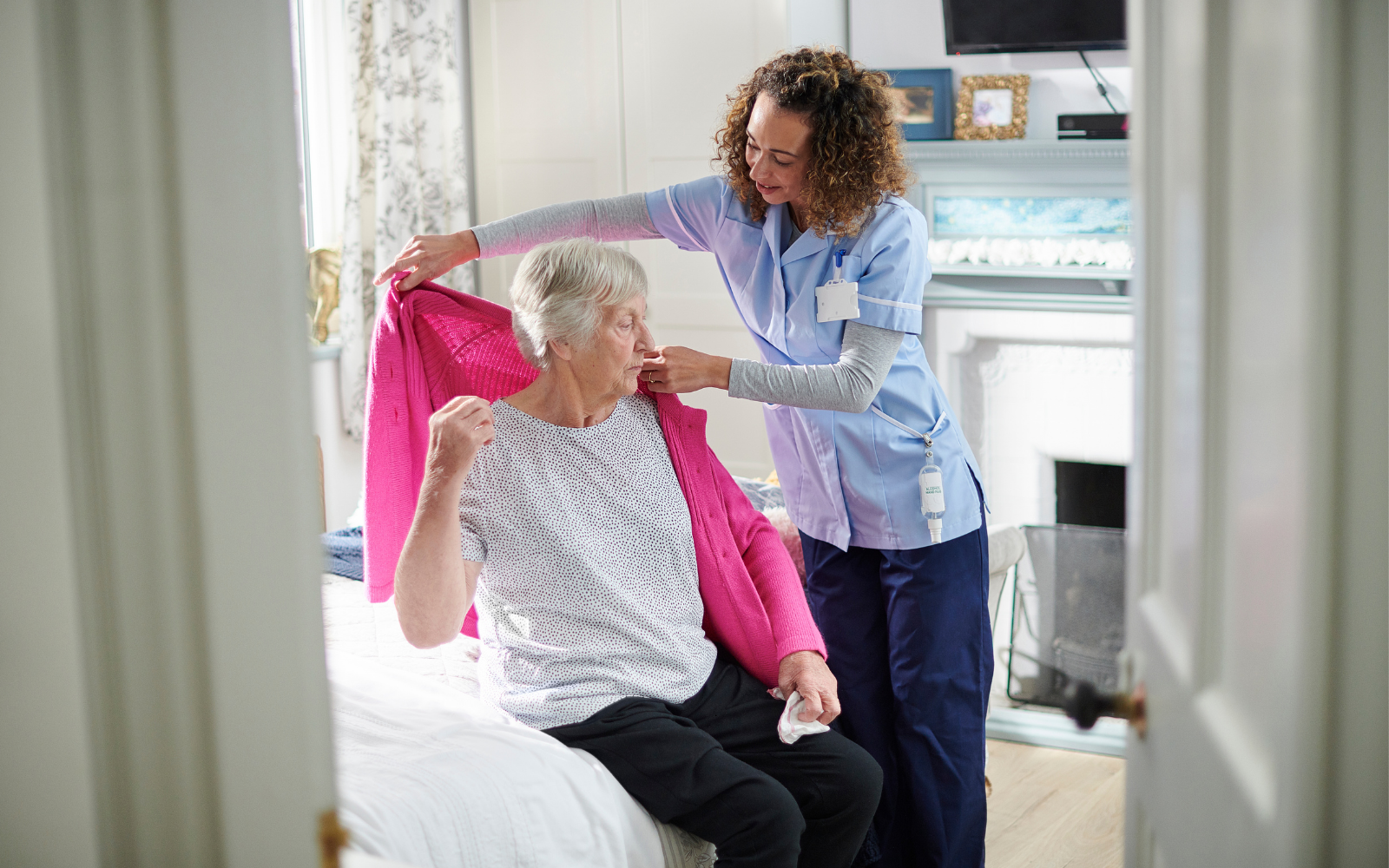
Leaving the hospital is a milestone, but for many patients it marks the beginning of one of the most vulnerable stretches of their recovery. The transition from a clinical setting with round-the-clock nursing support to an empty house or an unprepared home environment is abrupt, and the gap between those two realities is where many recoveries stall or complications develop. For families across the Milwaukee area and broader Southeast Wisconsin region, personal care services in Wisconsin offered through agencies like Support Plus Personal Care have become one of the most practical ways to bridge that gap, keeping recently discharged patients safe, comfortable, and on track without requiring a skilled nursing facility or extended inpatient stay.
This article walks through the key warning signs that in-home personal care is the right next step after a hospital discharge, what that type of care actually involves, and how families can navigate the decision without unnecessary delay.
Why the Post-Discharge Period Is So High-Risk
Hospital readmission rates in the United States remain stubbornly high, and research has consistently pointed to the discharge transition as one of the most critical windows for preventing complications. A patient may be medically stable enough to leave the hospital without being practically capable of managing their daily life once they get home. These are two very different thresholds, and the gap between them is often invisible until something goes wrong.
Common post-discharge complications include medication errors, falls, wound infections from improper care, dehydration, malnutrition from difficulty preparing or eating meals independently, and missed follow-up appointments that allow early warning signs to go unnoticed. For elderly patients, patients recovering from surgery, and individuals managing chronic conditions alongside an acute illness or injury, these risks compound quickly.
The first two to four weeks after discharge are the most critical. If a patient does not have reliable support during that window, the likelihood of a setback increases significantly. In-home personal care is specifically designed to fill exactly that role.
Signs That In-Home Personal Care Is Necessary
Not every patient who is discharged from the hospital needs professional in-home support, but many more do than families initially realize. Here are the clearest indicators that it is time to arrange care before someone comes home.
The first and most obvious sign is that the patient has difficulty with basic daily activities. If bathing, dressing, getting out of bed, using the toilet, or walking around the house independently has become difficult or unsafe, returning home without help is a serious risk. These are not minor inconveniences. A fall in the shower during the first week home from a hip replacement can undo weeks of surgical work and land the patient back in the hospital almost immediately.
The second sign is that the patient is managing a new medical complexity they were not dealing with before the hospitalization. A newly prescribed medication regimen, a wound that requires regular cleaning and dressing checks, dietary restrictions tied to a recent diagnosis, or new mobility limitations all represent added cognitive and physical demands on a patient who is already weakened and recovering. The risk of error is highest in this early adjustment period.
The third sign is that the patient lives alone or the primary family caregiver is not realistically available full-time. Adult children who work full-time jobs, spouses who themselves have health limitations, or patients who simply have no close family nearby are all situations where the assumption that the patient will “be fine” once home is worth examining carefully. Good intentions and actual availability are not the same thing.
The fourth sign involves the patient’s mental and emotional state. Depression and anxiety following hospitalization are extremely common and often underestimated. A patient who feels isolated, frightened, or overwhelmed is less likely to take medications correctly, maintain adequate nutrition, or reach out when something feels wrong. A caregiver who provides not only physical assistance but also regular human connection can make a meaningful difference in how quickly and completely someone recovers.
The fifth sign is any history of prior falls, cognitive decline, or dementia. For patients who already had some degree of difficulty managing daily life before the hospitalization, returning home to the same environment without increased support is a setup for a setback.
What Personal Care Services Actually Cover
It is worth being specific about what in-home personal care involves, because families often confuse it with skilled nursing care or assume it is more limited than it actually is.
Personal care is non-medical support focused on helping individuals with the activities of daily living that they can no longer safely or comfortably manage on their own. For a recently discharged patient, this can be comprehensive and genuinely transformative. At Support Plus Personal Care, services include bathing and personal hygiene assistance, dressing and grooming support, toileting and incontinence care, mobility assistance and safe transfers between beds, chairs, and wheelchairs, feeding and mealtime assistance, medication reminders to help clients stay on schedule with prescribed routines, help with doctor appointment scheduling and transportation coordination, meal preparation and nutrition support, light housekeeping and laundry assistance, and companionship to address the social isolation that often accompanies recovery.
The last two items on that list deserve particular attention because families often underestimate how much they matter. A clean, organized home environment reduces fall hazards and infection risk. And consistent companionship from a trusted caregiver is one of the most effective ways to reduce the anxiety and depression that can derail recovery.
Importantly, personal care services are not one-size-fits-all. A good care agency builds a customized care plan around the specific needs, routine, preferences, and level of support required by each individual client. A patient recovering from abdominal surgery has very different needs than a patient discharged after a stroke, and both have different needs than an elderly person leaving the hospital after a fall. The care plan should reflect those differences from day one.
The Role of Family Caregivers After Discharge
Many families default to managing post-discharge care entirely on their own, and many do this successfully for a period of time. But family caregiving after a hospitalization carries its own risks that are easy to overlook until caregiver burnout or exhaustion sets in.
Family members who step into full-time caregiving without support often do so while still managing their own jobs, their own health, and their own households. The physical demands of assisting with bathing, transfers, and mobility can lead to injury, particularly for spouses who may be older themselves. The emotional weight of watching a parent or partner struggle through a difficult recovery can lead to anxiety, grief, and exhaustion that accumulates gradually and then breaks all at once.
Professional in-home care does not replace the family’s role. It supports it. Respite care, which allows a trained caregiver to step in so family members can rest, is one of the most valuable and underused services available to families in this situation. Support Plus Personal Care offers respite care specifically for this purpose, giving family caregivers the ability to take a breath without leaving their loved one without support.
Navigating the Cost and Insurance Question
Cost is one of the first concerns families raise when in-home care comes up, and it is a legitimate one. The good news for Wisconsin families is that Medicaid, also known as Title 19, covers personal care services for eligible clients, and Support Plus Personal Care is a certified Medicaid provider. For families who qualify, care can begin with no major upfront cost.
For families who are unsure whether their loved one qualifies for Medicaid coverage, the best starting point is a direct conversation with the care agency. Support Plus Personal Care can explain the coverage options, help families understand the process, and guide them through the next steps without pressure or obligation.
It is also worth noting that delaying care to avoid cost concerns often ends up being more expensive in the long run. A hospital readmission, an emergency room visit after a fall, or a prolonged recovery caused by inadequate post-discharge support carries financial costs that dwarf the cost of in-home care, in addition to the human cost of a longer or more complicated illness.
How Quickly Can Services Start?
Timing matters enormously in the post-discharge period. The window between a patient returning home and the first potential setback is not always measured in weeks. For many high-risk patients, it can be measured in days.
Support Plus Personal Care’s typical timeline from initial contact to the start of services is around two to three weeks, depending on the individual situation, required approvals, and coordination with the physician’s office. That means that ideally, families should be making contact with a care agency before discharge, not after the patient is already home and struggling.
If a discharge is coming up in the next week or two, the time to call is now. Giving the agency advance notice allows them to begin the assessment, build the care plan, and match the patient with a compatible screened caregiver before the patient even walks through their front door.
Who Support Plus Personal Care Serves
Support Plus Personal Care is a minority female-owned, Medicaid-certified in-home care agency serving families across more than 20 communities in Southeast Wisconsin. Their office is based in Mequon, and they serve families throughout Milwaukee County and the surrounding region, including Milwaukee, Racine, Kenosha, Wauwatosa, West Allis, Clinton Township, Waukesha County, Ozaukee County, and all the communities in between.
All caregivers go through thorough screening, background checks, and a careful hiring process before working with any client. Every client receives a personalized care plan, and the agency stays actively involved through check-ins and ongoing oversight rather than simply placing a caregiver and stepping back.
For families who are not sure whether their loved one’s situation qualifies for care or which level of service is appropriate, a free assessment is available with no obligation and no upfront cost. Families can reach the team directly at 262-420-4008.
The Bottom Line
Coming home from the hospital is not the finish line. For many patients, it is the beginning of the hardest part of recovery, the part that happens without doctors and nurses nearby and without a clear schedule to follow. Whether someone is recovering from a surgery, managing a new diagnosis, or simply trying to rebuild strength and confidence after an illness, having reliable, compassionate support in the home during those critical first weeks makes a measurable difference in outcomes.
If you are planning a discharge for yourself or a loved one and are unsure whether in-home care is the right call, err on the side of arranging support rather than waiting to see if one is needed. The cost of acting early is low. The cost of waiting too long can be significant.
About the Author