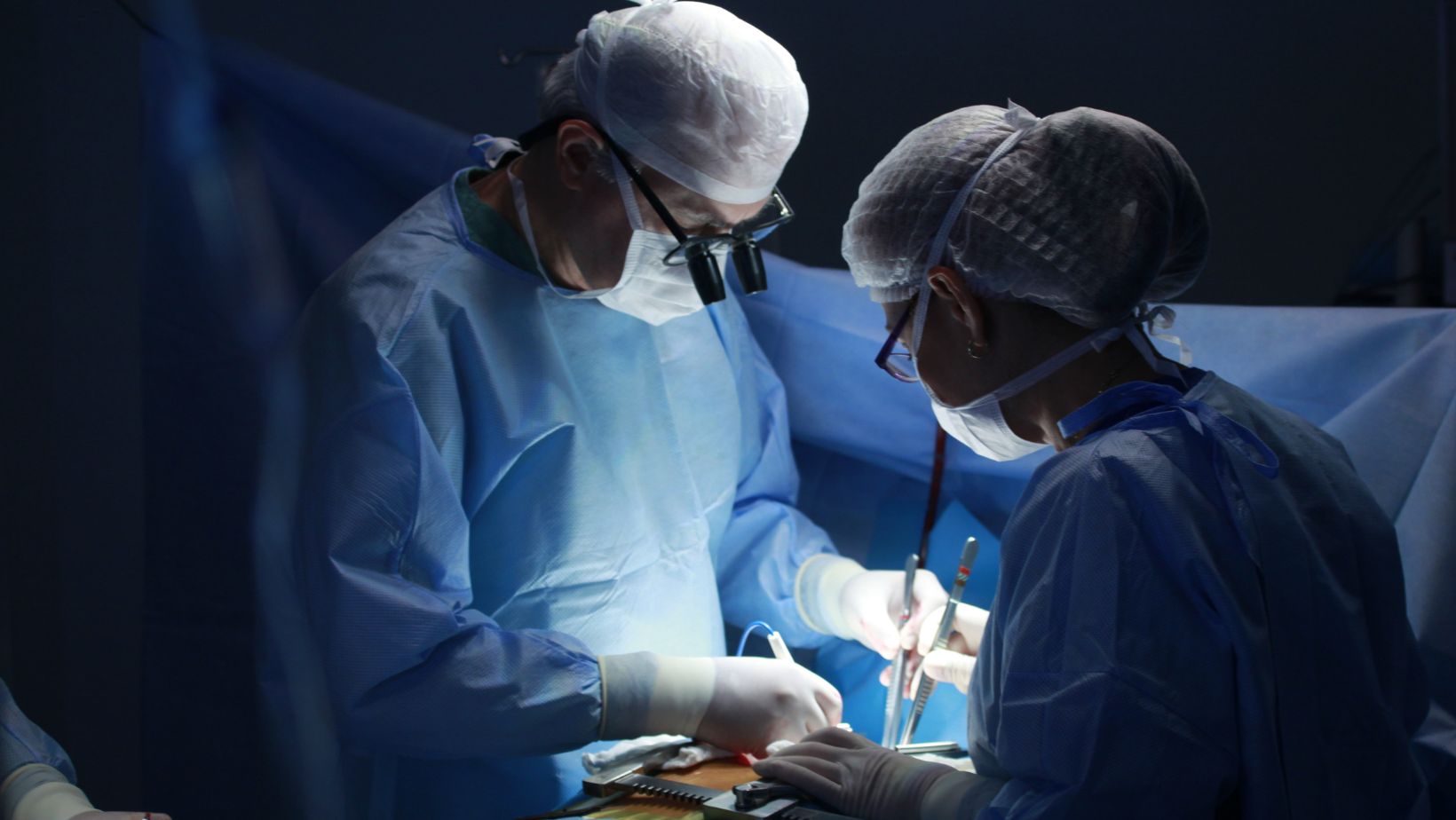
Operating rooms are high-pressure environments where precision and attention to detail are paramount. While surgeons meticulously plan incisions and procedures, another critical aspect of surgery often receives less attention: patient positioning. Proper patient positioning is far more than just making the patient comfortable; it plays a crucial role in preventing complications that can range from mild discomfort to life-threatening conditions. Incorrect positioning can impede a surgeon’s access, compromise a patient’s airway, or even lead to nerve damage.
The often-overlooked connection between patient positioning and surgical complications requires greater awareness. Failing to prioritize proper positioning protocols can have significant consequences for patients, impacting their recovery and overall well-being. In this exploration of patient safety in the operating room, we will delve into the potential risks associated with improper positioning and discuss best practices for ensuring optimal surgical outcomes. Healthcare providers can contribute to a safer and more effective surgical experience for every patient through a deeper understanding of these crucial elements.
The Importance of Proper Patient Positioning
Proper patient positioning is crucial for maintaining a patient’s physiological stability throughout a surgical procedure. It ensures adequate breathing by keeping the airway open and unobstructed, promotes healthy blood circulation, and prevents unnecessary strain on muscles and joints that could lead to post-operative pain and discomfort.
Furthermore, correct positioning provides optimal access to the surgical site, allowing the surgical team to work efficiently and effectively. This clear access and optimized working space can reduce operative time, minimizing the patient’s exposure to anesthesia and potentially reducing the risk of complications.
Common Complications Arising from Incorrect Positioning
Incorrect positioning can lead to a range of complications, including nerve damage, pressure ulcers, and respiratory compromise. Nerve damage, often caused by prolonged pressure or stretching of nerves during surgery, can result in temporary or permanent numbness, tingling, or weakness in the affected areas. This can significantly impact the patient’s quality of life and ability to perform daily activities. In some severe cases, these complications may be grounds to contact a surgery mistake attorney to explore legal options, especially if negligence played a role in the surgical error.
Pressure ulcers, also known as bedsores, develop when prolonged pressure on the skin restricts blood flow, leading to tissue damage. These ulcers can be painful, slow to heal, and increase the risk of infection. Patients with limited mobility, poor circulation, or underlying health conditions are particularly susceptible to pressure ulcers.
Preventing Nerve Damage in the Operating Room
Preventing nerve damage requires careful attention to padding and positioning. Vulnerable areas such as the elbows, knees, and heels should be adequately padded to reduce pressure and cushion these bony prominences. Proper padding helps to distribute weight evenly and prevent excessive pressure on nerves.
Straps and supports should be used judiciously to secure the patient without causing excessive pressure or constriction. The surgical team must ensure that straps are not applied too tightly and that they do not impede circulation or compress nerves. Regular checks throughout the procedure are essential to ensure that the patient’s position remains safe and optimal.
Protecting the Skin: Preventing Pressure Ulcers
Preventing pressure ulcers involves careful assessment of the patient’s skin before, during, and after surgery. Pressure-relieving surfaces, such as specialized mattresses and padding, can help distribute weight and minimize pressure on vulnerable areas. These surfaces are designed to conform to the patient’s body and reduce pressure points.
Regular repositioning, when possible, is also crucial to relieve pressure and promote blood flow to the skin.
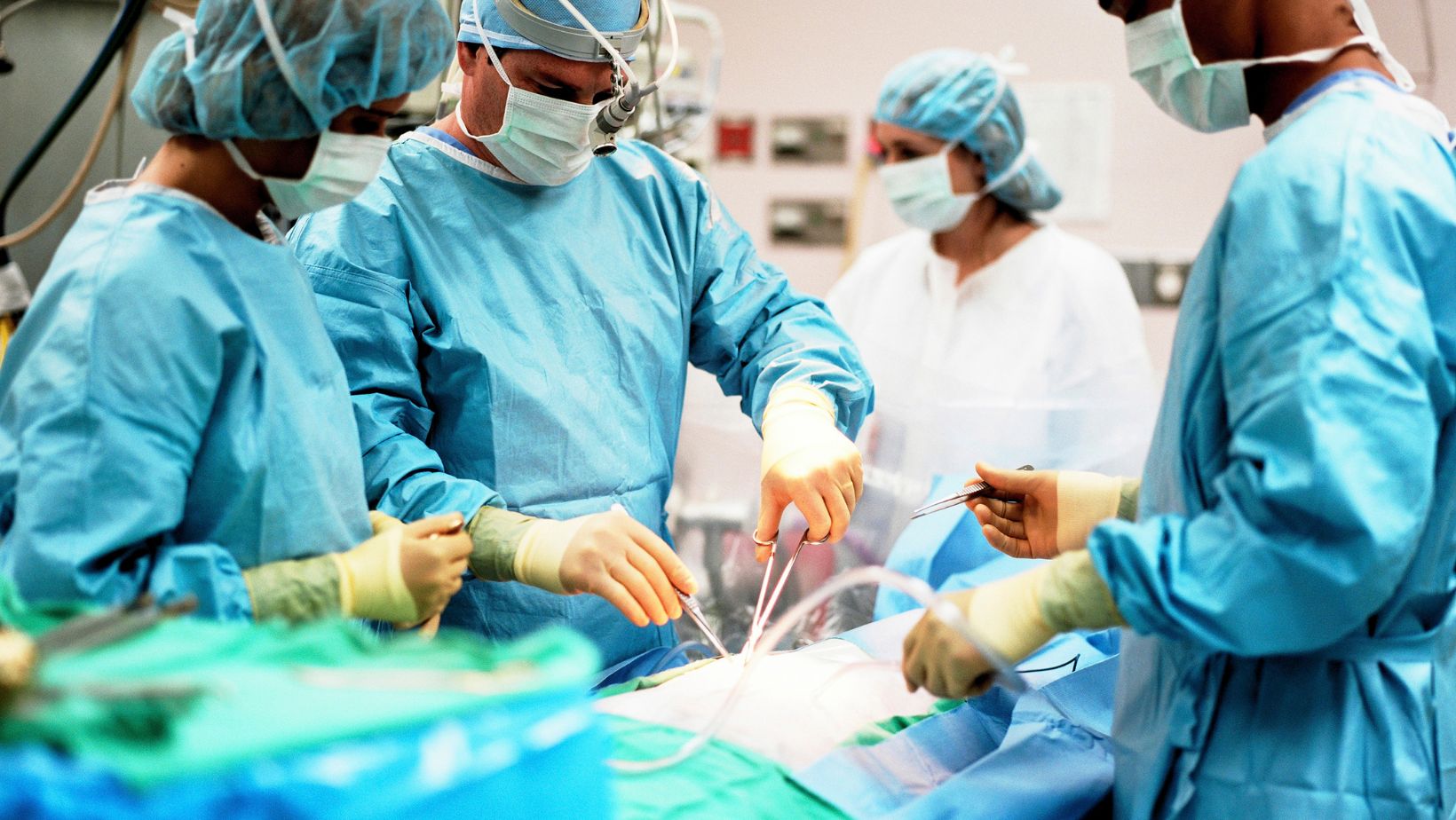
Even slight shifts in position can significantly reduce the risk of pressure ulcer development. Maintaining skin hygiene and managing moisture are additional factors that contribute to pressure ulcer prevention.
Respiratory Considerations in Patient Positioning
Certain surgical positions, particularly those that involve tilting or Trendelenburg positions, can compromise a patient’s respiratory function. These positions can restrict chest expansion and impede diaphragmatic movement, potentially leading to breathing difficulties. This is especially concerning for patients with pre-existing respiratory conditions.
Careful monitoring of oxygen saturation, respiratory rate, and end-tidal CO2 is essential throughout the procedure. These vital signs provide crucial information about the patient’s respiratory status and help to identify any signs of compromise. Adjustments to the patient’s position may be necessary to optimize respiratory function and ensure adequate ventilation.
Specialized Positioning Considerations
Different surgical specialties require specific positioning considerations. For example, prone positioning for spinal surgery requires careful attention to eye protection and pressure points on the chest and abdomen. The patient’s eyes must be protected to prevent corneal abrasions, and padding should be used to minimize pressure on the chest and abdomen to facilitate breathing.
Lateral positioning for hip surgery necessitates proper alignment of the spine and limbs to prevent nerve damage and ensure stability. Careful attention must be paid to the positioning of the lower leg to avoid pressure on the peroneal nerve. Specialized equipment and training are often required to ensure safe and effective positioning for these procedures.
The Role of the Surgical Team in Safe Positioning
Safe patient positioning is a team effort. Surgeons, nurses, anesthesia providers, and surgical technicians all play a crucial role in ensuring the patient’s safety and well-being. Effective communication and collaboration are essential for identifying potential risks and implementing appropriate preventive measures.
Regular training and education on proper positioning techniques are vital for all members of the surgical team. This helps to maintain a high standard of care and minimize the risk of complications related to patient positioning. Simulation training and case studies can be valuable tools for reinforcing proper positioning practices.
Future Trends in Patient Positioning
Advancements in technology are leading to innovative solutions for patient positioning. Pressure mapping technology provides real-time feedback on pressure distribution, allowing for adjustments to optimize patient safety.
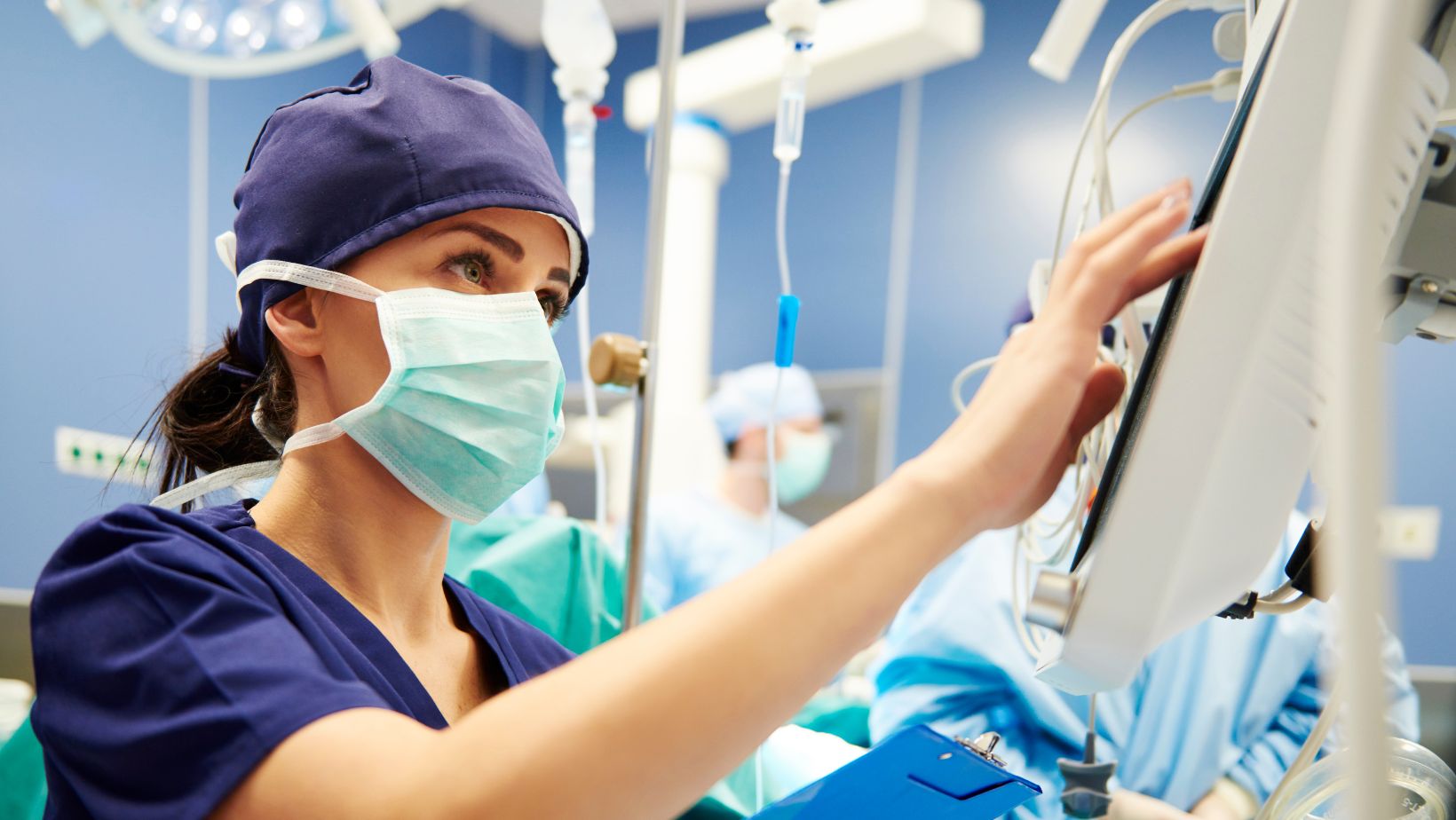
This technology helps to identify areas of high pressure and guide the surgical team in making adjustments to the patient’s position.
Robotic-assisted surgery is also influencing positioning practices, offering greater flexibility and precision in patient placement. Robotic systems allow for more precise positioning and manipulation of the patient, potentially reducing the risk of complications. As technology continues to evolve, we can expect further improvements in patient positioning that enhance safety and surgical outcomes.
About the Author